 Singing Coach AI
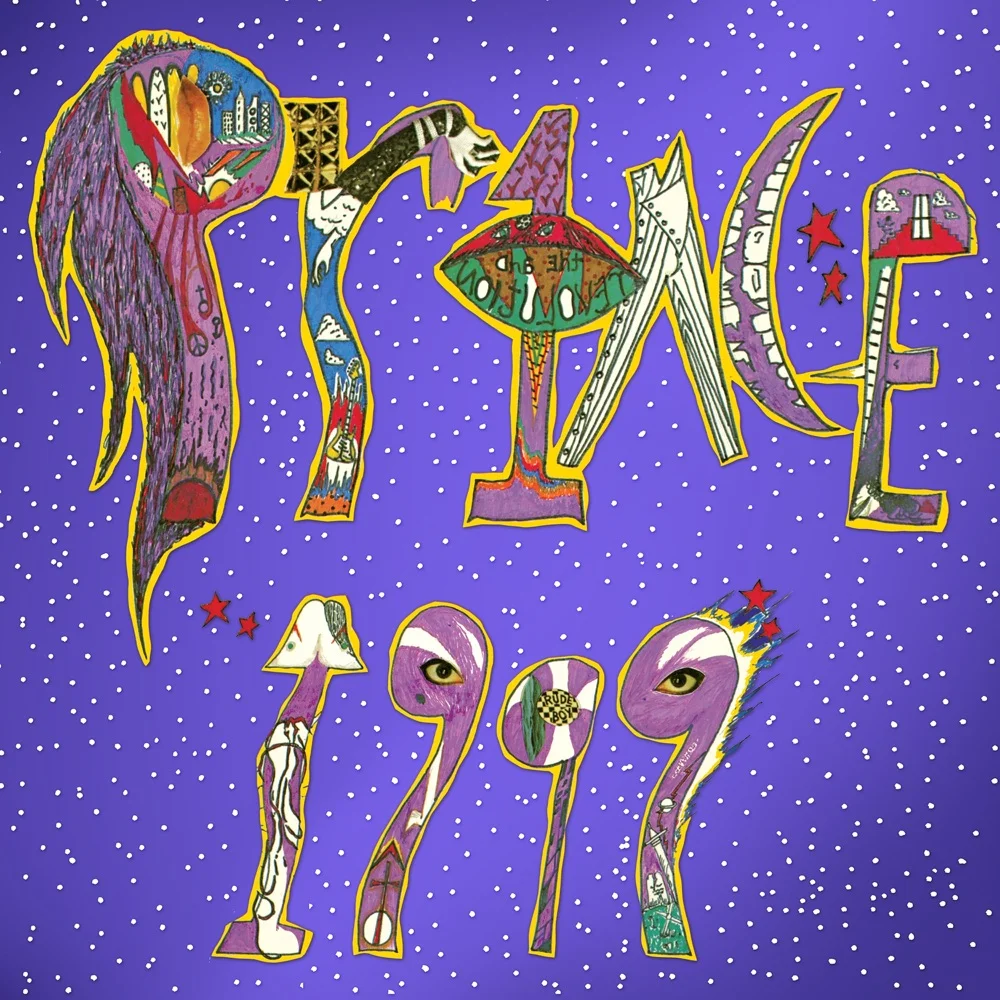
Mastering the Funk Apocalypse
Released in 1982, "1999" is the ultimate party anthem with a dark edge. Prince constructs a groove that demands precision over power. Unlike a power ballad, the challenge here isn't sustaining long notes; it's about the pocket, the swagger, and the rapid switching between vocal registers.
To sing this authentically, you need to channel Prince's unique blend of confidence and vulnerability. The vocals are shared (originally with Lisa Coleman, Wendy Melvoin, and Dez Dickerson), meaning you are singing harmonies as often as lead lines. Let's break down the technique.
Phase 1: The Spoken Verse (0:00 - 1:15)
The song opens with the iconic line: "Don't worry, I won't hurt you..." delivered in a deep, resonant spoken voice. This isn't singing in the traditional sense; it's pitch-inflected speech.
The Trap: Trying to make this sound too melodic. Keep it dry. As the verse progresses into "I was dreamin' when I wrote this," maintain a conversational tone in your mid-range (around C4). Focus on clear diction and staccato delivery.
Phase 2: The Anthemic Chorus
The energy explodes at "So tonight I'm gonna party like it's 1999." This sits comfortably in the chest voice for most singers. The key here is brightness.
- Vowel Shape: Flatten your vowels (make them wider) to get that brighter, poppier sound characteristic of the Minneapolis Sound.
- Harmony: The chorus relies heavily on group vocals. Listen for the top harmony line if you have a higher range, or stick to the melody in the center.
Phase 3: The Ad-libs & Attitude
Prince was the master of the falsetto scream. Throughout the track, specifically in the outro and bridges, there are high F5 yelps ("Ow!").
To execute these safely, do not push from your throat. Use a sharp exhalation from your diaphragm and direct the sound into your nasal cavity (head voice) instantly. It should feel light, not heavy. If it hurts, stop immediately and rest.