 Singing Coach AI
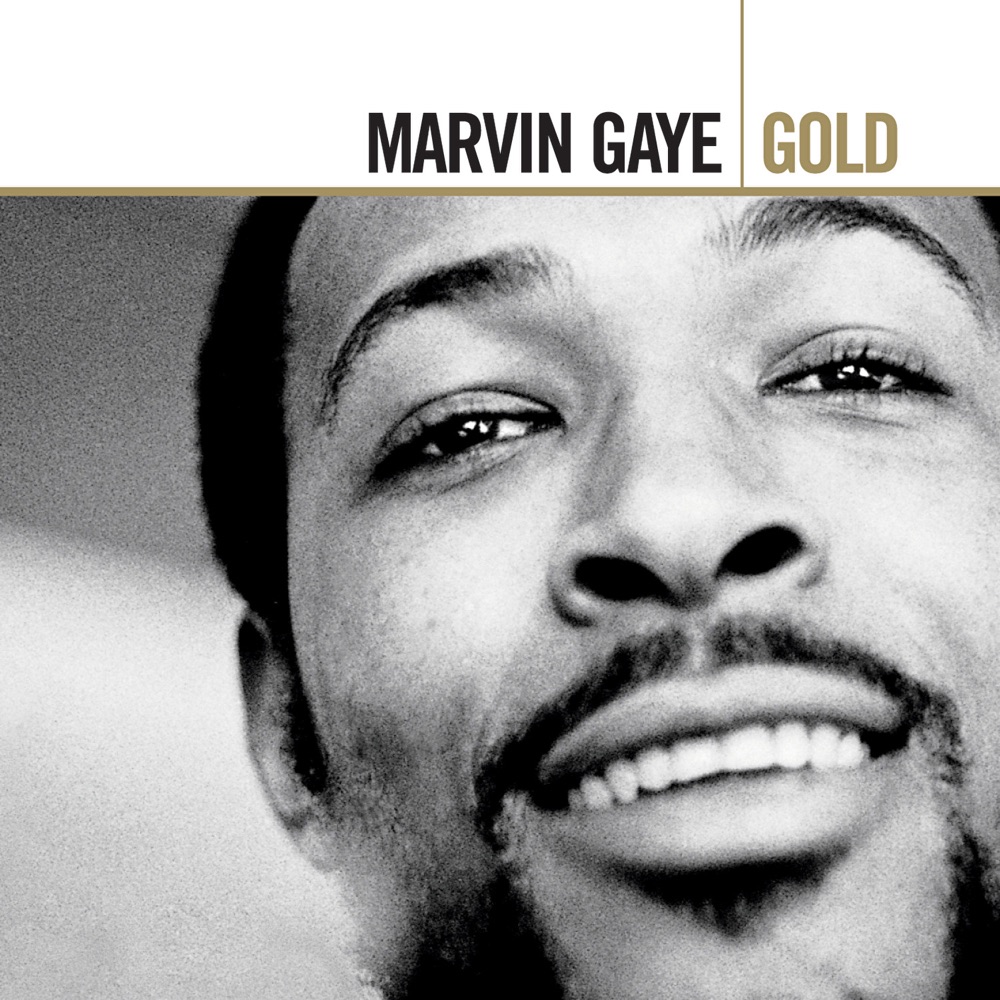
The Peak of Motown Energy
"Ain't No Mountain High Enough" is a masterclass in dynamic build-up. Originally written by Ashford & Simpson, Marvin Gaye's performance relies heavily on charisma and a relaxed, almost spoken delivery in the verses that explodes into a full-voice belt in the choruses.
To sing this well, you need to master the groove. The song drives forward relentlessly, so if you drag behind the beat, you lose the energy. You also need to navigate the transition between your "speaking voice" and your "singing voice" without it sounding disjointed.
Phase 1: The Conversational Verse
The song starts in a comfortable speaking range. Marvin sounds like he is just talking to a friend. The key here is articulation.
The Trap: Singers often try to "sing" this part too beautifully. It should sound raw and rhythmic. Focus on the pocket of the drum beat and keep your volume at a mezzo-piano level.
Phase 2: The Pre-Chorus Build
As the melody climbs on "If you need me, call me," you need to start adding chest resonance. This is the bridge between the spoken intro and the sung chorus.
- Support: Engage your core muscles here. The intensity is rising.
- Placement: Move the sound from the back of the throat to the "mask" (front of the face) to prepare for the high notes.
Phase 3: The Chorus Belt
This is pure energy. The melody hovers around the upper bridge of the male chest voice. You need to maintain a consistent, strong tone without shouting.
To hit the high notes on "Mountain" and "River" safely, think about widening your vowels slightly. A narrow throat will cause you to strain. Smile slightly as you sing to brighten the tone and help with pitch accuracy.