 Singing Coach AI
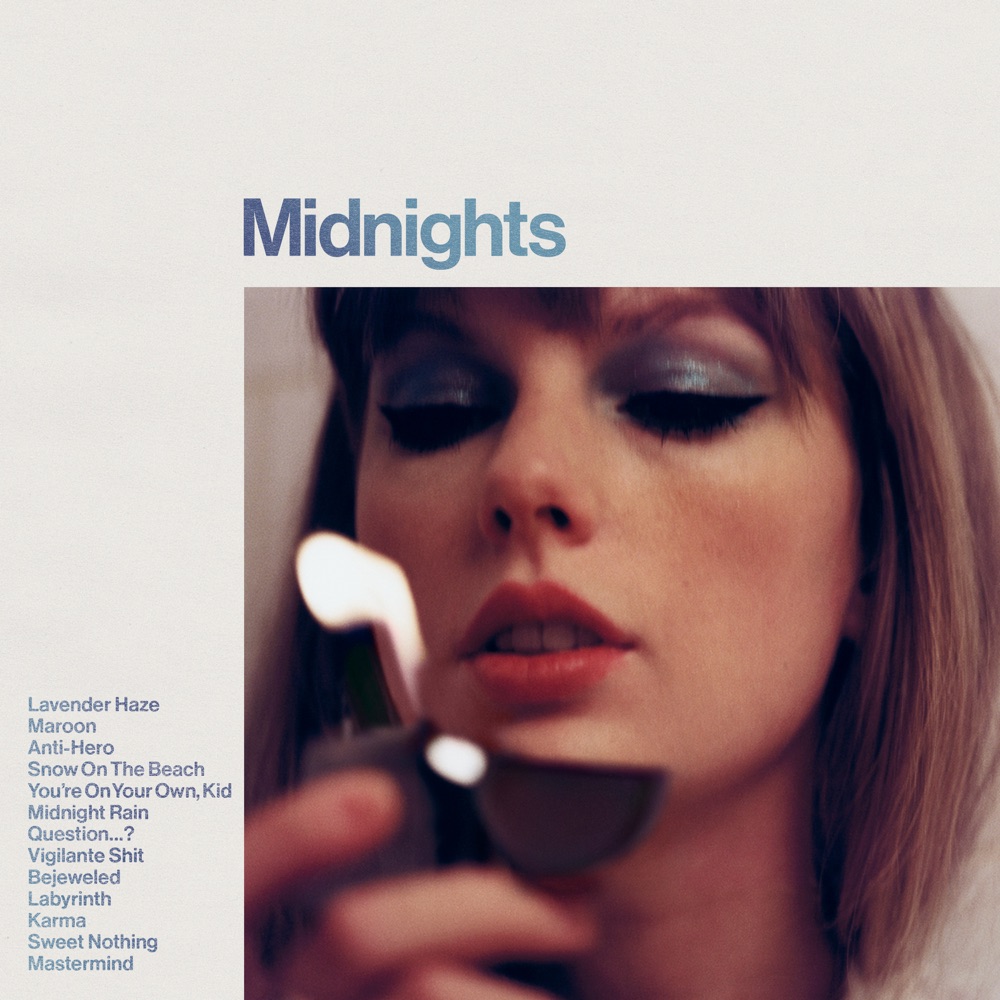
Mastering the "Midnights" Anthem
Anti-Hero is a masterclass in confessional songwriting and rhythmic phrasing. Written by Taylor Swift and Jack Antonoff, the track relies heavily on the "speak-singing" style in the verses, contrasted with a melodic, breathy chorus. It’s less about vocal gymnastics and more about tone control and personality.
To sing this well, you need to be comfortable in your lower register. The verses sit at the very bottom of the typical Soprano range, making it deceptively tricky to project volume without vocal fry.
Phase 1: The Verses (Low Register)
The song starts in B Major with a conversational tone. The melody hovers around G#3 and dips to F#3. If you are a high soprano, this might feel unsupported.
The Fix: Use a "speech-level" chest voice. Don't try to add too much air or you will run out of breath before the end of the phrase. Think of it as telling a secret to a friend right next to you.
Phase 2: The Chorus (Head Voice Switch)
The transition to "It's me, hi" is the signature moment. You must switch instantly from the heavy chest voice of the pre-chorus to a light, forward-placed head voice or falsetto mix.
- "It's me, hi": Keep this light. If you push chest voice here, it will sound like shouting and ruin the "exhausted/confessional" vibe.
- "I'm the problem, it's me": Drop back down to a mix voice to add weight to the confession.
- Vowel Shapes: Keep the "hi" vowel tall and narrow to help resonance in the head voice.
Phase 3: The Bridge
The bridge ("I have this dream my daughter-in-law kills me...") requires excellent rhythmic precision. The tempo feels slightly faster due to the density of the lyrics. Focus on crisp diction, particularly on consonants, so the story isn't lost in the music.
The final "It's me, hi" ad-libs reach up to E5, which should be sung in a pure, floaty head voice.