 Singing Coach AI
The Ballad of a Broken Heart
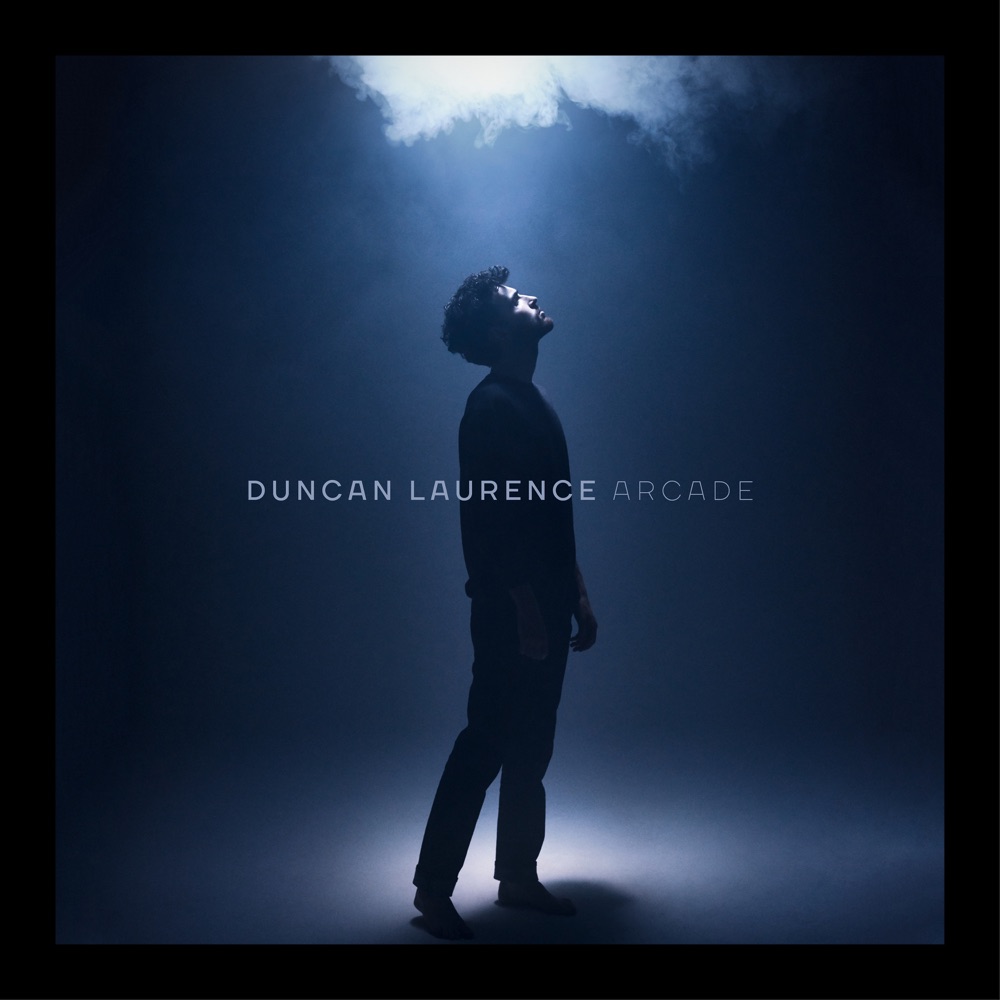
"Arcade" swept the world after Duncan Laurence won Eurovision 2019 for the Netherlands. It is a masterclass in modern pop balladry, combining intimate storytelling with epic, sweeping dynamics. The song details the pain of a love that can never be recovered, likening it to a "losing game" in an arcade.
To sing this well, you need to be comfortable in your lower register for the verses and have a powerful, resonant mix voice for the choruses. The emotional connection is paramount; singing it perfectly flat without feeling will result in a low performance score.
Phase 1: The Verses (Low & Intimate)
The song starts in a low, conversational range (around A2/B2). For many higher voices, this can be tricky to project.
The Strategy: Keep your larynx relaxed and neutral. Don't press your chin down to "reach" for low notes. Instead, think of speaking the lyrics intimately, as if whispering to someone right next to you.
Phase 2: The Chorus Build
The line "Loving you is a losing game" is the emotional peak. The melody jumps up, requiring a shift into your upper chest or mix voice.
- Vowel Modification: On the word "Game" and "All", modify the vowels slightly towards "Uh" or "Eh" to keep the throat open.
- Support: Engage your core muscles strongly here. If you rely on throat muscles, you will sound strained and pitchy.
Phase 3: The Haunting Falsetto
The "Ooh-ooh-ooh" post-chorus and bridge sections rely on a pure, haunting head voice (falsetto). The difficulty lies in the transition.
Practice "yodeling" slowly between your chest voice note and the head voice note to find the break, then smooth it out by lightening the volume just before you flip registers.