 Singing Coach AI
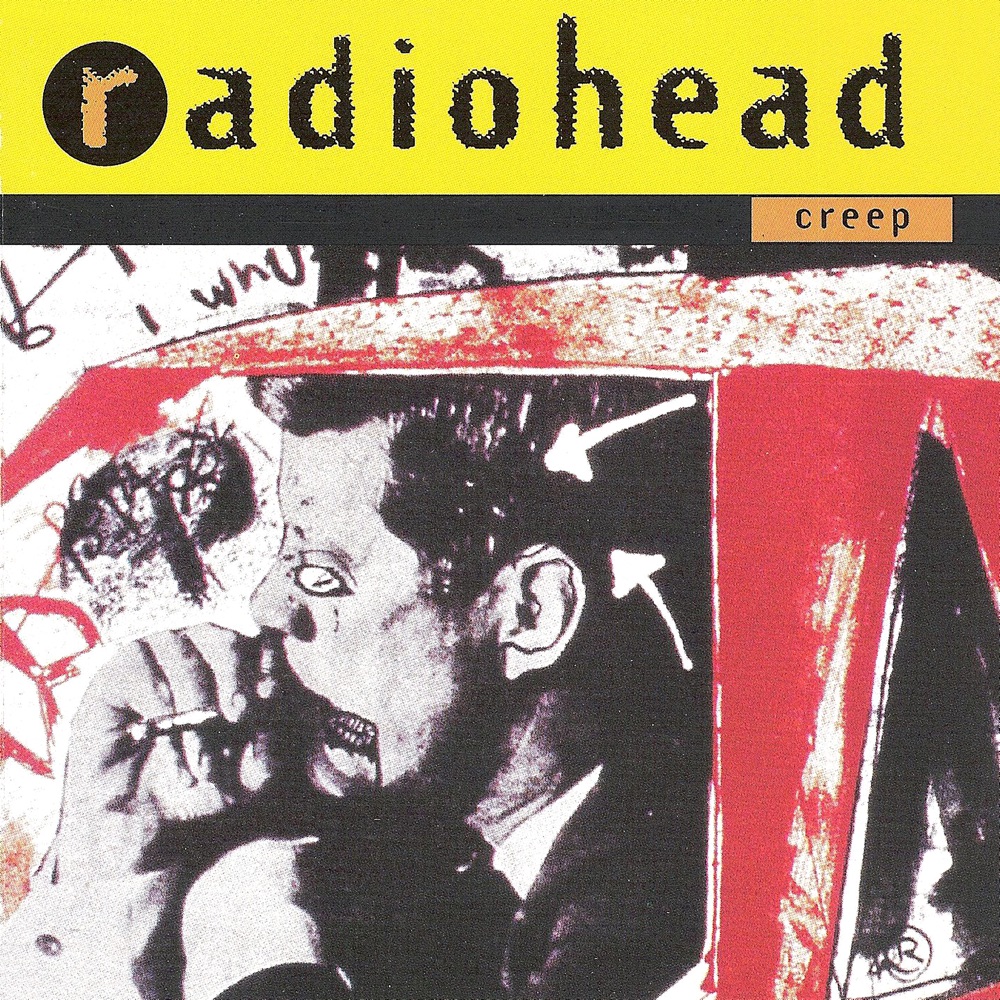
Mastering the Anthem of the Outsider
Radiohead's debut hit Creep is a study in vocal contrast. Thom Yorke delivers a performance that oscillates between self-loathing fragility and explosive anger. For a singer, the challenge isn't just hitting the notes—it's capturing that raw emotional shift.
The song is primarily in G Major. While the verses sit comfortably low in the range for most male voices, the bridge pushes the limits of the chest voice, demanding a powerful belt on the note B4.
Phase 1: The Verses (Low & Breathy)
The song starts on G2. This is quite low for many tenors. The key here is to keep the larynx neutral. If you press your chin down to "reach" for the low notes, you will lose resonance.
Technique: Think of the vocal fry register. Keep the sound intimate, as if you are speaking to yourself in an empty room. Avoid projecting too much volume here; the microphone (or your phone) will pick it up.
Phase 2: The Chorus (The Cry)
As the distortion guitar kicks in, your voice needs to match the intensity. On the line "I'm a creep," you should introduce a "cry" into your voice. This is a tilting of the thyroid cartilage that thins out the vocal folds while keeping them connected, allowing for a higher, emotive pitch without strain.
Phase 3: The Bridge (The "Run" Belt)
This is the hardest part of the song. The line "She runs, run, run, run" climbs to a B4. This is the "money note" and requires significant breath support.
- The Belt: Engage your core muscles. Do not shout; instead, visualize the sound going forward out of your mouth, using a "nay" sound to help with placement.
- The Falsetto: Immediately after the belt, Yorke drops into a delicate falsetto for the outro. This rapid switch from high-pressure belt to low-pressure head voice is where most singers crack. Practice this transition slowly.