 Singing Coach AI
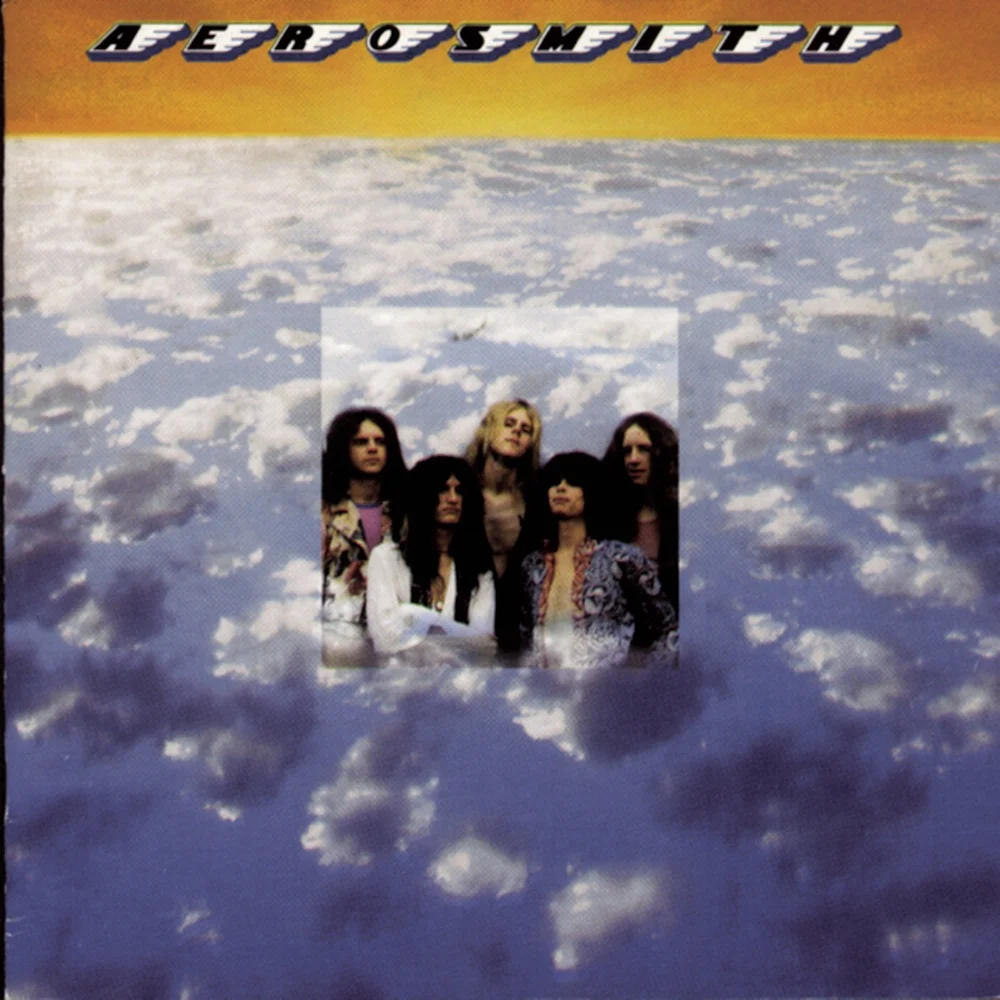
The Ultimate Power Ballad Challenge
Released on their 1973 debut album, "Dream On" established Aerosmith as legends and proved Steven Tyler to be one of rock's most versatile vocalists. The song is a masterclass in dynamics, starting as a moody, introspective ballad and exploding into a high-octane rock anthem.
To sing this well, you need patience. Many singers burn out their voices in the first half, leaving nothing in the tank for the iconic screams at the end. Let's break down exactly how to pace yourself through this classic.
Phase 1: The Verses (0:00 - 3:24)
The song begins in F Minor. The opening lyrics sit in the F3-C4 range, which is comfortable for most male voices. The challenge is the "bluesy" delivery.
The Trap: It is easy to get pitchy on the descending lines ("All my life..."). Keep your breath support engaged even though you are singing quietly. Imagine you are holding back a shout, rather than just whispering.
Phase 2: The Chorus (3:24 - 3:55)
As the drums kick in, the intensity lifts. You are now belting up to F4 and G4. You need to switch from a chest-dominant tone to a "mixed voice."
- "Sing with me": This requires a forward placement. direct the sound to the mask of your face to get that piercing rock tone.
- Compression: You need more abdominal support here. If you rely on throat tension, you won't survive the final section.
Phase 3: The Scream (3:55 - End)
This is the moment of truth. The song modulates and Tyler unleashes a G#5 scream on the repeated "Dream On" lines. This is arguably one of the most famous high notes in rock history.
To hit this safely, you generally need to use a "reinforced falsetto" or a very heady mix with pharyngeal distortion. Do not try to drag your pure chest voice up this high—you will strain. Think of the sound as being small and laser-focused, rather than wide and heavy.