 Singing Coach AI
The Holy Grail of Vocal Emotion
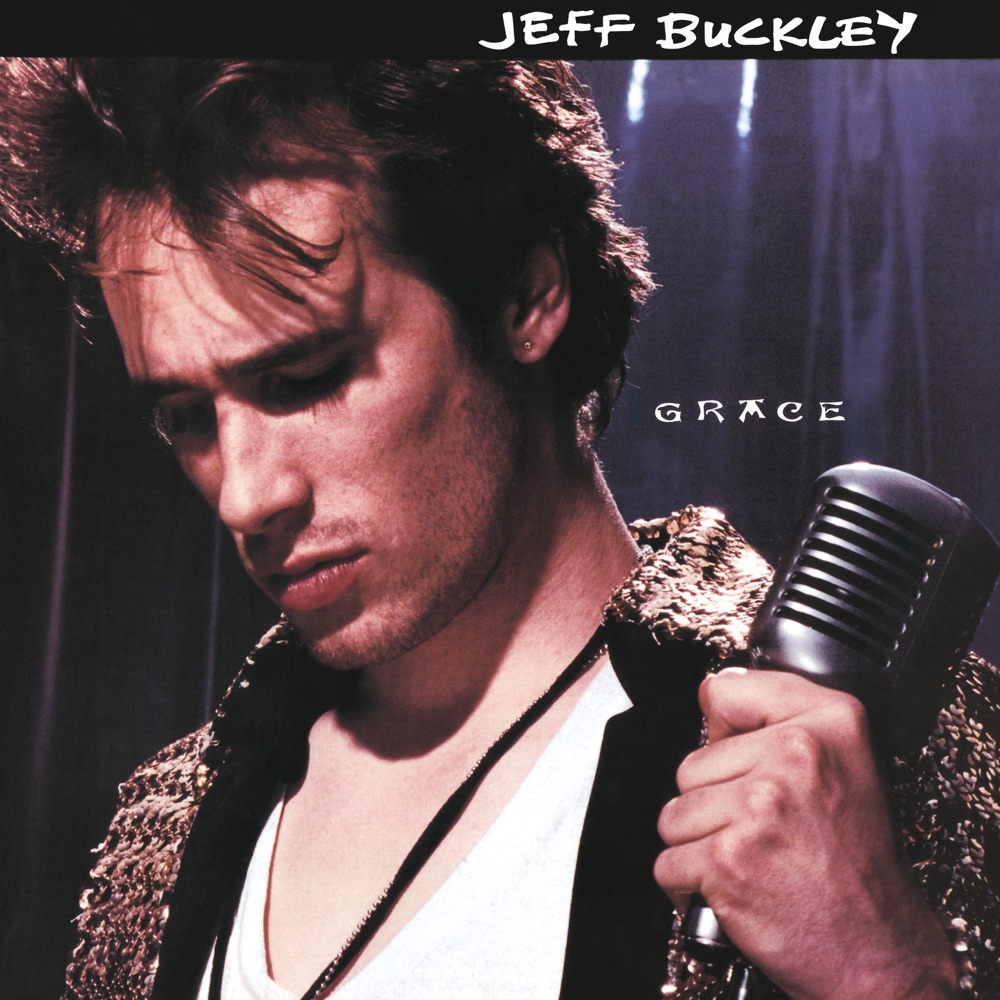
Originally written by Leonard Cohen, Jeff Buckley's 1994 cover of Hallelujah from the album Grace is widely considered the definitive vocal performance of the track. It is stripped back, raw, and incredibly intimate. The challenge here isn't just hitting notes—it's maintaining pitch stability while delivering a deeply emotional, almost weeping tone.
Buckley's version oscillates between a soft, breathy whisper and a piercing, resonant tenor belt. Let's break down exactly how to tackle this masterpiece, section by section.
Phase 1: The Intimate Verse (0:00 - 1:18)
The song begins in C major with a slow, arpeggiated guitar. The entry "I heard there was a secret chord" sits in the lower register (around E3). The key here is breathiness. You want to mix air with the tone to create intimacy.
The Trap: Because it is quiet, singers often lose pitch support. Keep your diaphragm engaged even when whispering to ensure you don't go flat on the descending melody of "The minor fall, the major lift."
Phase 2: The Falsetto Switch
The chorus ("Hallelujah, Hallelujah") requires a seamless transition from your chest voice to your head voice/falsetto. Buckley's falsetto is angelic and light, but supported.
- The Flip: Don't push your chest voice up to the high notes. Allow your voice to "flip" gears into the lighter register.
- Vowel Shape: Keep the vowel tall. Think of singing "Hah-leh-loo-yah" with a vertical mouth shape to access the head resonance.
Phase 3: The Climax and Sustain (5:45 - End)
The final minute of the song is the ultimate test of endurance. Buckley performs a long, sustained note on the final "Hallelujah" that lasts over 20 seconds.
To achieve this, you must master "appoggio" breathing. Inhale deeply into your lower back and ribs. As you sing the note, resist the urge to collapse your chest. Regulate the airflow so you don't run out of breath before the phrase resolves.