 Singing Coach AI
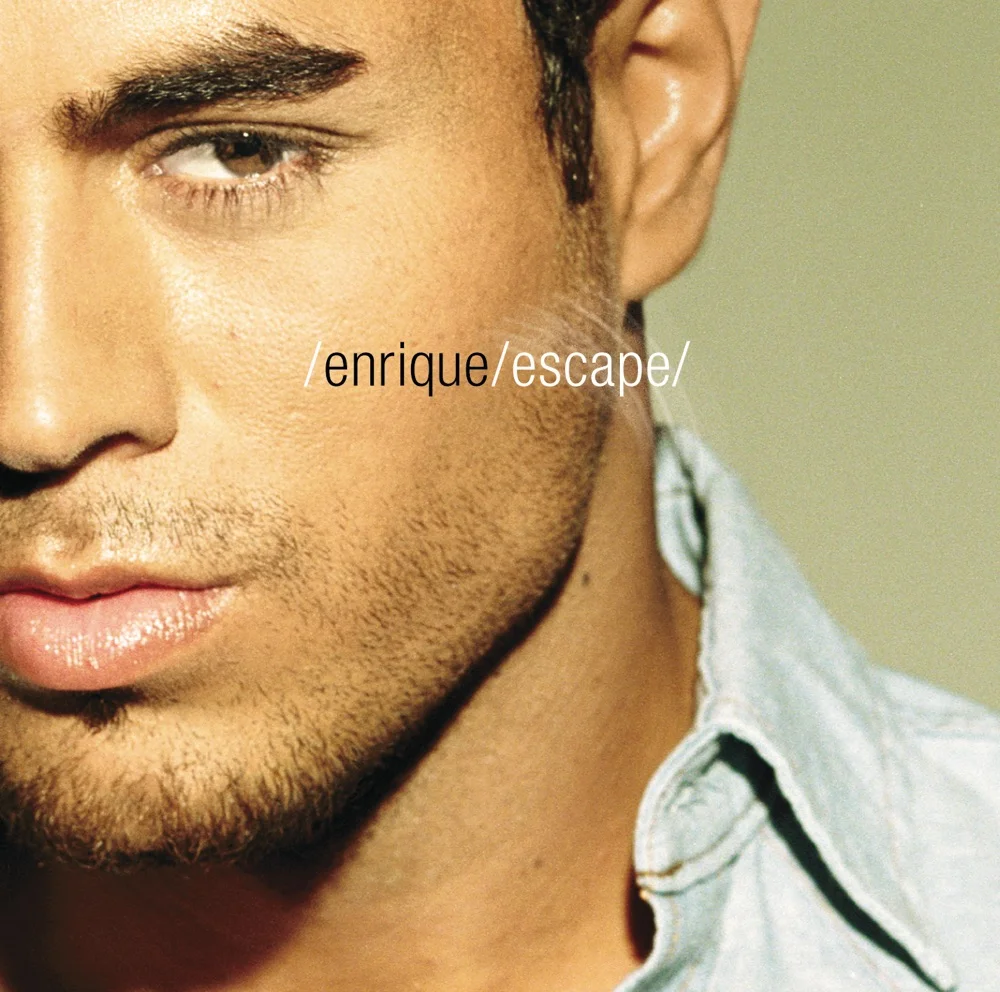
The King of Latin Romance
"Hero" is the definitive 2000s ballad. Released in 2001, it catapulted Enrique Iglesias to global superstardom. Unlike power ballads that rely on high belts and screaming vocals, "Hero" is a masterclass in subtlety and intimacy.
To sing this well, you must master the art of the "whisper tone." The challenge isn't hitting high notes—the range is quite contained—but rather maintaining pitch accuracy while using a very breathy, airy tone quality. It requires significant diaphragm support to prevent the voice from cracking or going flat.
Phase 1: The Intimate Verse (0:00 - 1:05)
The song begins in G Major. The opening line "Would you dance, if I asked you to dance?" sits low in the Baritone range (around G2/A2). It needs to sound conversational, almost like a secret.
The Trap: Singers often lose resonance on these low notes, making them sound muddy. Keep your soft palate raised slightly to maintain clarity even when singing quietly.
Phase 2: The Chorus Lift (1:05 - 2:10)
When the chorus hits ("I can be your hero, baby"), the melody lifts, but it doesn't explode. You should transition from the breathy verse texture into a slightly fuller chest voice, but keep the edges soft.
- Hero: Don't shout this word. Use a "cry" in your voice to convey longing.
- Kiss away the pain: Enunciate clearly. Enrique's diction is very deliberate here.
- Stand by you forever: This phrase descends back into the lower register. Ensure you don't drop the volume too abruptly.
Phase 3: The Emotional Peak (2:55 - End)
The bridge and final choruses require more intensity. The note on "You can take my breath away" reaches the top of the chest register for this song (approx E4). It is not high for a Tenor, but for a Baritone, it sits right in the break.
Use "vocal fry" at the start of phrases to add that signature raspy texture, but use it sparingly as a stylistic choice, not a default setting.