 Singing Coach AI
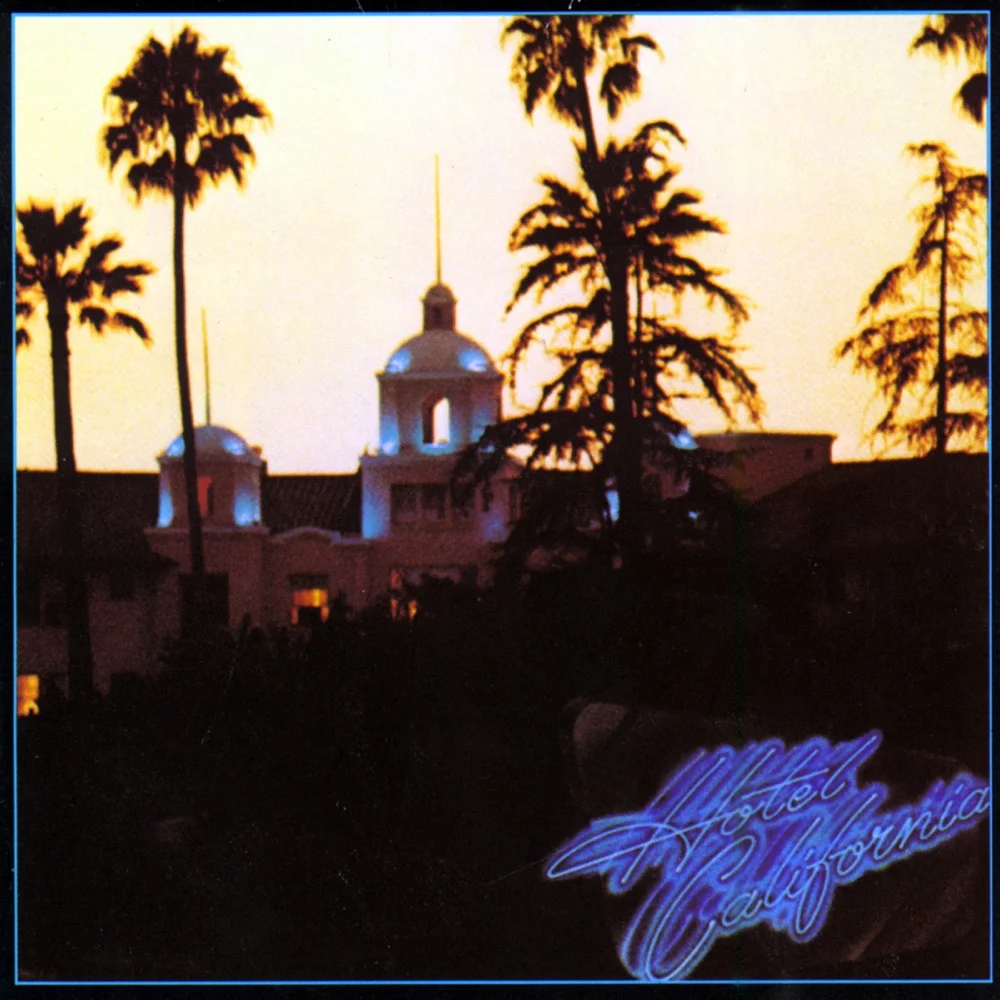
The Ultimate Storytelling Rock Anthem
Released in 1976 on the album of the same name, Hotel California remains one of the most famous rock songs in history. Vocalist Don Henley sang this while playing drums, which impacted the rhythmic phrasing of the melody. It’s a masterclass in dynamics: starting spooky and reserved, and building to a powerful, high-energy climax.
To sing this well, you need to balance two different "voices": the storyteller voice for the verses, and the rock belt voice for the choruses. Let's break down exactly how to tackle it, section by section.
Phase 1: The Verses (Storytelling)
The song begins in B Minor. The verses sit in a comfortable mid-range for most Tenors and Baritones (F#3 to F#4). The challenge here isn't range—it's attitude.
The Technique: Use a conversational tone. Keep your volume at a medium level (mezzo-piano to mezzo-forte). Enunciate the words clearly, especially consonants like 't' and 'k', to cut through the guitar arpeggios. Imagine you are telling a ghost story around a campfire.
Phase 2: The Chorus (The Belt)
When the chorus hits ("Welcome to the Hotel California"), the melody jumps up. You need to switch from storytelling to singing. The notes hover around A4 and B4.
- Such a lovely place: This line requires a bright, forward resonance. Lift your soft palate to create space.
- Any time of year: Watch your pitch here. Many singers go flat on "year" as they run out of breath. Take a deep, low breath before the line starts.
Phase 3: The "Pink Champagne" Bridge
As the song progresses, the intensity builds. The section starting with "Mirrors on the ceiling" requires more grit (vocal fry) to match the darker lyrical content. The highest sustained notes occur here and in the final verse ("You can check out any time you like").
To hit the high B4 safely, engage your core muscles and think of singing "down" into the note rather than reaching up for it. This prevents the larynx from rising too high.