 Singing Coach AI
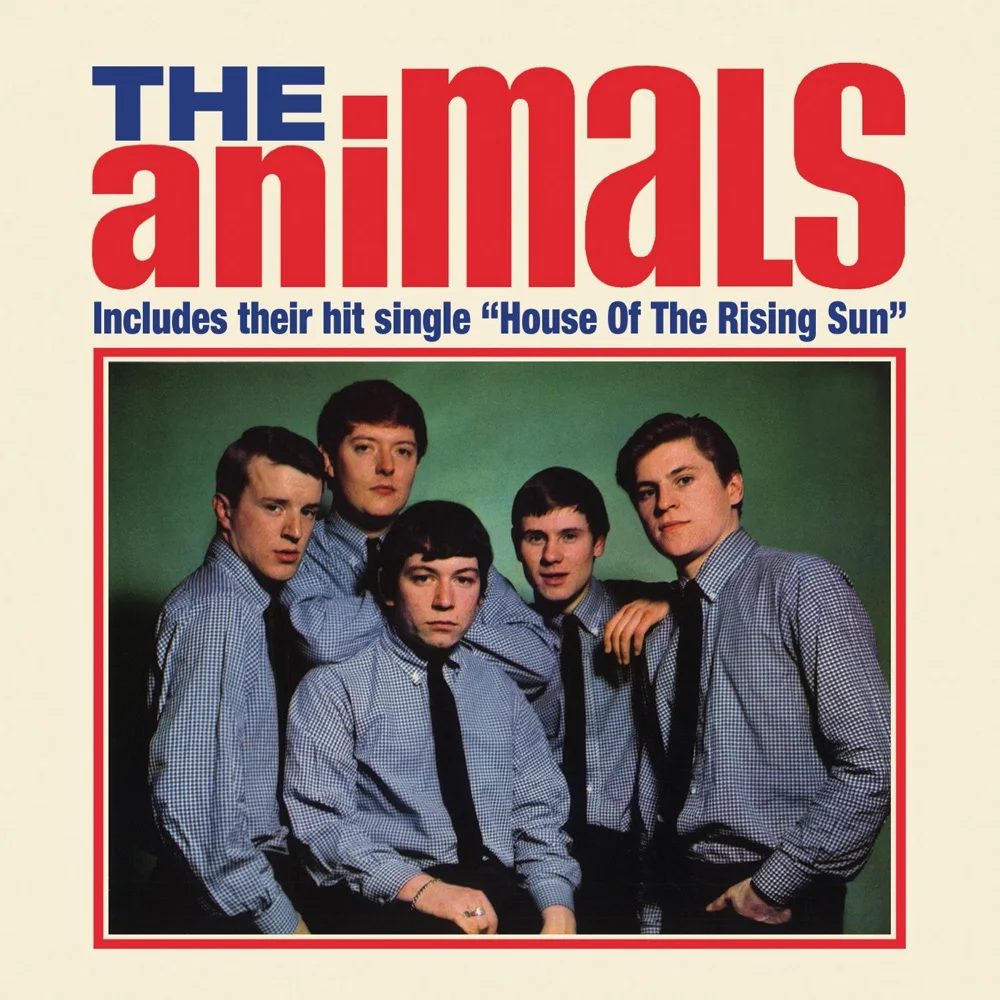
The Soul of Folk Rock
House Of The Rising Sun is a vocal tour de force. While the song is a traditional folk ballad, The Animals' 1964 version defined the folk-rock genre. Led by Eric Burdon's deep, commanding vocals and Alan Price's haunting organ arpeggios, this track demands a singer who can portray weariness, regret, and power simultaneously.
Unlike a pop song with a verse-chorus structure, this track is built on a repeating cycle of verses that grow in intensity. The challenge lies in your ability to start small and build a mountain of sound without blowing out your voice by the third verse.
Phase 1: The Storyteller (Verses 1-2)
The song starts in A Minor. The opening line "There is a house in New Orleans" sits in the lower register (around A2/C3). The goal here is resonance, not volume. Keep your larynx neutral or slightly lowered to achieve that rich, "woody" baritone quality.
The Trap: Don't swallow your words. Enunciate clearly on "ruin of many a poor boy" to ensure the narrative is understood.
Phase 2: The Build (Verses 3-4)
As the organ solo approaches, the vocal intensity must rise. You should shift from a pure chest voice to a more forward, aggressive placement. This is where you can introduce "grit" or vocal rasp.
- Breath Support: The phrases are long and slow. Take a deep, low breath before every line.
- Vowel Modification: On higher notes like "spent his life in sin and misery," narrow your vowels to avoid straining your throat.
Phase 3: The Climax and Endurance
After the organ solo, the final verses require full power. Eric Burdon belts up to an F4 (sometimes G4 in live versions) with immense weight. To survive this, engage your core muscles strongly.
The repeated melody can become monotonous if you don't vary your texture. Use the Singing Coach AI app to visualize your dynamic curve and ensure you are getting louder and grittier as the song concludes.