 Singing Coach AI
The Ultimate Emotional Ballad
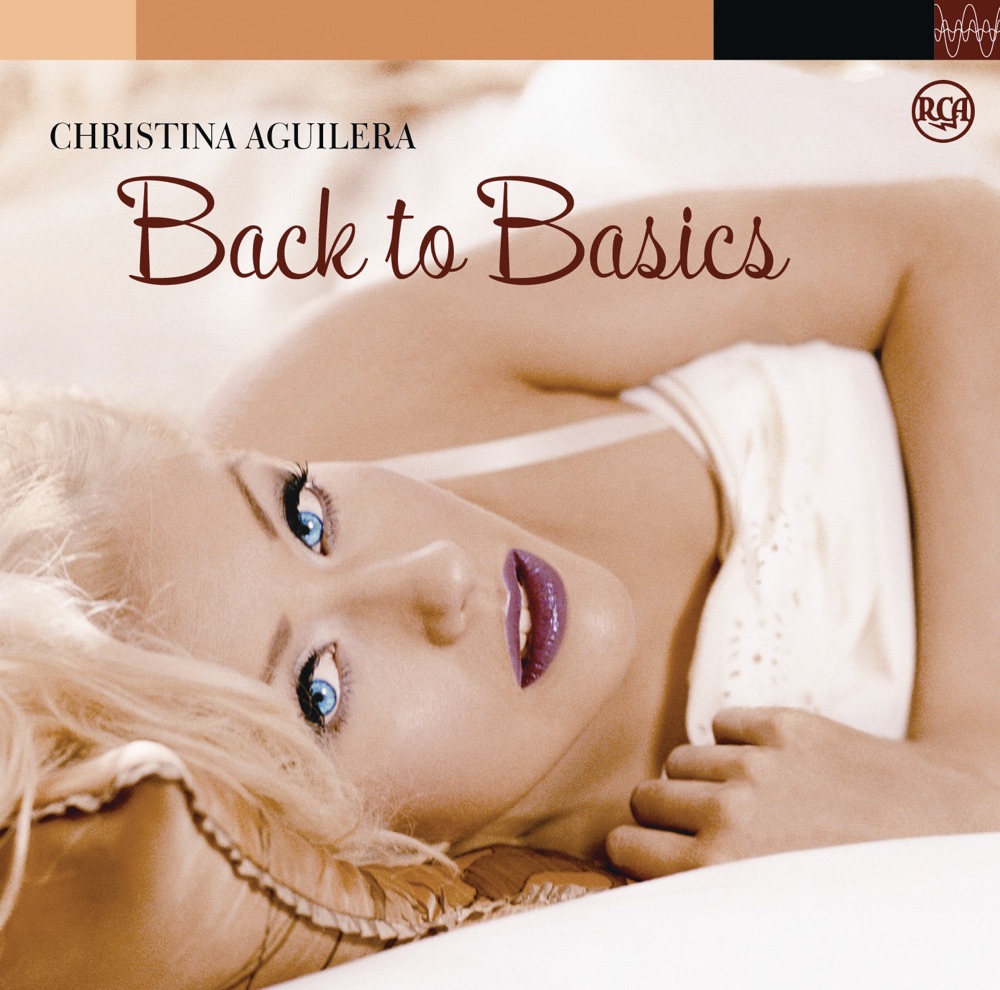
Hurt is one of the most challenging ballads in modern pop. Released on the Back to Basics album in 2006 and co-written with Linda Perry, the song was designed to sound like a vintage circus track, but it demands raw, contemporary vocal power. It deals with loss and regret, meaning technical perfection isn't enough—you need to convey pain.
To sing this well, you need exceptional control over your mix voice. You must navigate from the breathy, intimate lows of the verses to the soaring, gritty belts of the bridge without cracking. Let's break down exactly how to tackle it, section by section.
Phase 1: The Verses (G3 - B3)
The song begins in E Minor with a very stripped-back arrangement. The entry "Seems like it was yesterday when I saw your face" sits low in the female range (G3).
The Trap: Singers often push too much air here trying to sound "soulful," running out of breath before the phrase ends. Keep the tone breathy but the airflow controlled. Think of speaking the lyrics to someone close to you.
Phase 2: The Chorus Lift
The energy shifts on "I would hold you in my arms." This requires a rapid transition from your chest voice into a strong mix. You cannot flip into a weak falsetto here; the emotional weight of the lyrics demands power.
- Pain: On the word "pain," open your jaw vertically to create more resonance space.
- Runs (Melisma): Christina embellishes the ends of phrases with complex runs. The AI Coach tracks note separation here. Keep them light and flexible.
Phase 3: The Bridge Climax (E5 Belt)
This is the hardest part of the song. The bridge builds tension until the final repetition of the chorus. Christina hits a sustained E5 belt on the ad-libs and the word "realize" (in variations).
To hit this without damaging your voice, rely on diaphragm support, not throat tension. Engage your core muscles as if you are lifting a heavy object, and direct the sound forward into your "mask" (the front of your face).