 Singing Coach AI
The "Blueprint" of 90s Pop Vocals
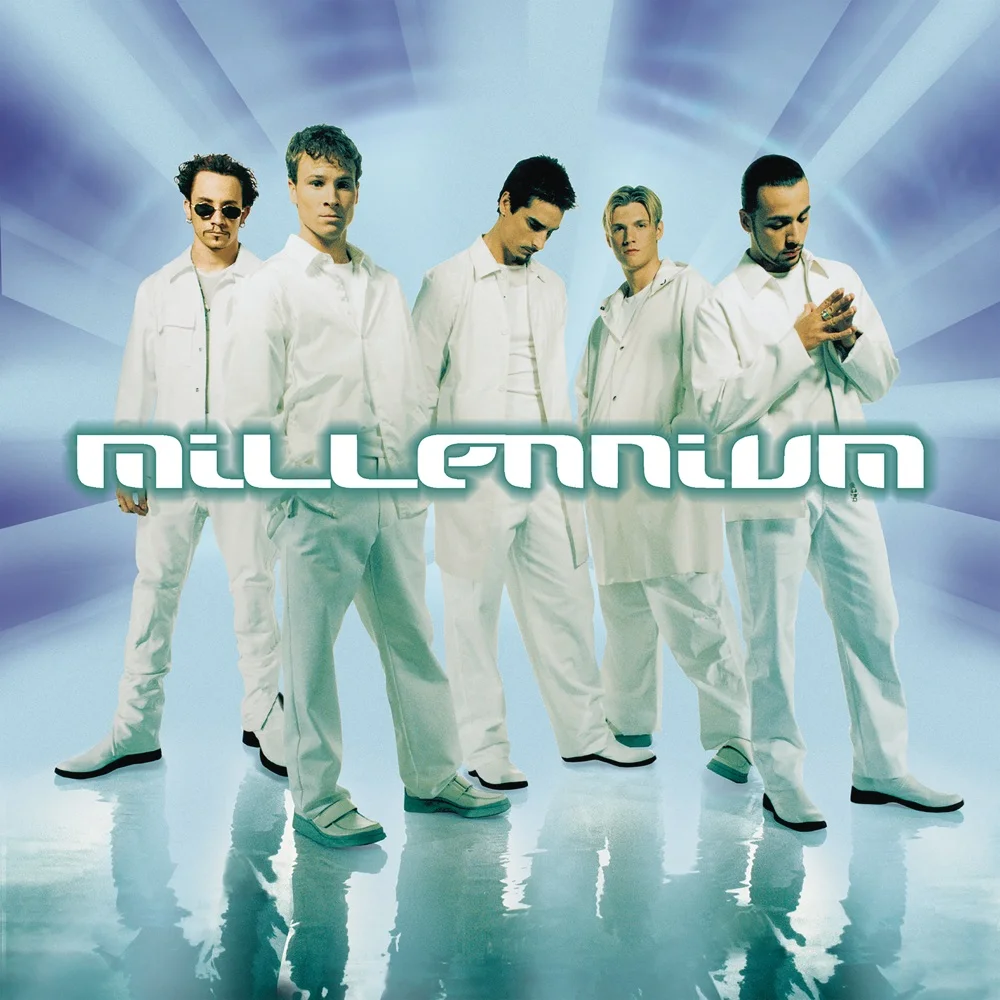
"I Want It That Way" defines the Max Martin pop era. Recorded for the 1999 album Millennium, this track is a masterclass in dynamic build-up. It starts intimate and breathy, moves into a punchy chorus, and finishes with one of the most famous key changes in pop history.
To sing this well, you need to balance tone color. You can't sing the verses with the same power as the final chorus, or you'll lose the emotional arc. Let's break down exactly how to tackle it, section by section.
Phase 1: The Verses (0:00 - 0:45)
The song begins in F# Major. The opening lines "You are my fire, the one desire" should be sung with a "breathy" tone. This means allowing a little more air to escape through the cords than usual.
The Trap: Don't go too quiet. You still need support from your diaphragm. If you lose support, your pitch will go flat on the lower notes.
Phase 2: The Chorus (0:45 - 1:30)
Here, the dynamics shift to *mezzo-forte*. The melody on "Tell me why" relies on a strong attack. The rhythm is crucial here—you need to be slightly behind the beat to get that laid-back R&B feel, but the consonants must be crisp.
- Ain't nothing but a heartache: Requires a smooth legato line. Connect the words.
- I want it that way: This is the hook. Keep the "want" and "way" open and resonant.
Phase 3: The Bridge & Key Change (2:23 - End)
The bridge ("Don't want to hear you say...") builds tension. Then comes the legendary modulation. The song shifts up a whole step for the final chorus.
To hit the high notes in the final chorus without straining, think of directing the sound "forward" into your mask (the area behind your nose and eyes). Do not pull your chest voice up, or you will crack. Mix in your head voice to keep it light but powerful.