 Singing Coach AI
The Ultimate Vocal Ballad
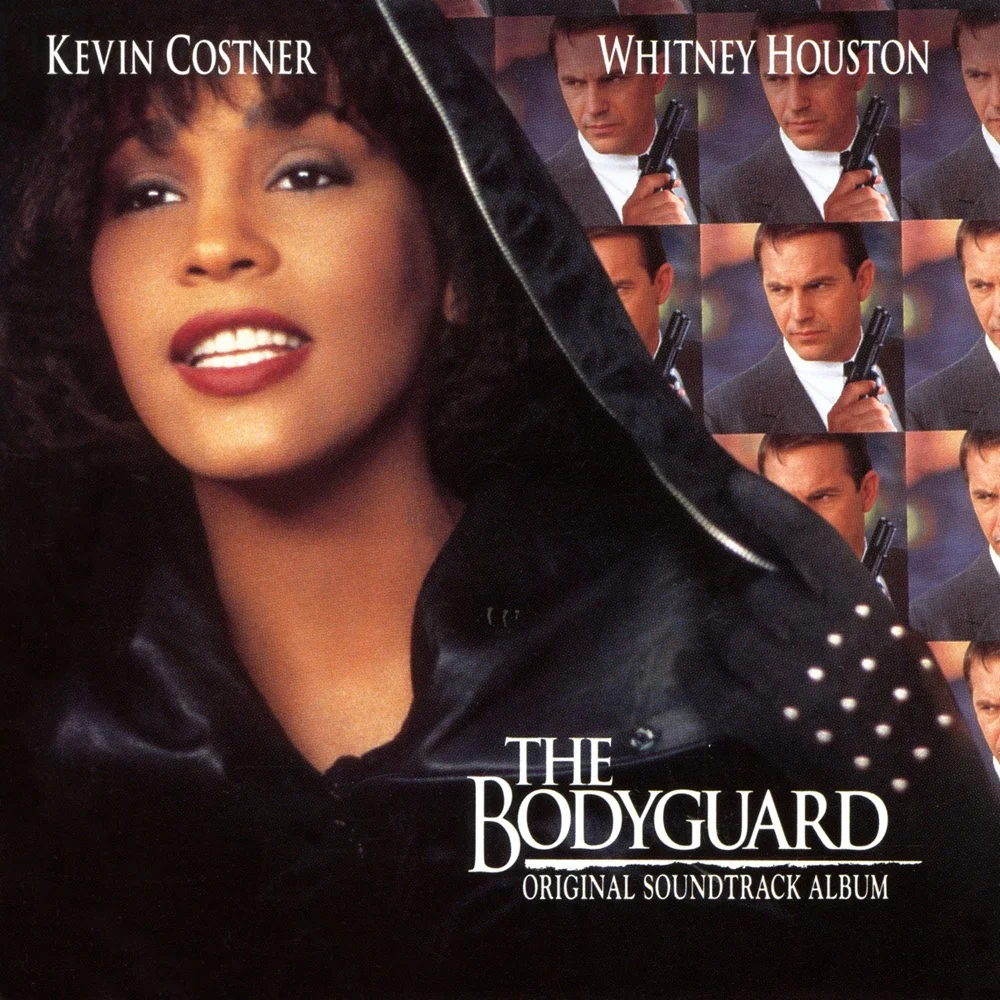
"I Will Always Love You" is widely considered one of the most difficult songs in pop history. Originally written by Dolly Parton, Whitney Houston transformed it into a soul-shaking anthem for The Bodyguard soundtrack. The track demands incredible control over your dynamics, moving from a whisper-quiet a cappella intro to a thunderous, belted climax.
To sing this successfully, you need to master the transition between your breathy tone and your full chest resonance without cracking. Let's break down the technique.
Phase 1: The A Cappella Intro (0:00 - 0:45)
The song begins with no music. This is terrifying for many singers because there is nowhere to hide. You must have perfect pitch memory before you start.
The Technique: Use a light, heady mix. The phrase "If I should stay" should feel like a sigh. Keep the volume at a 2 or 3 out of 10. The AI Coach will penalize you if you start too loud or too heavy here.
Phase 2: The Build Up (0:45 - 3:08)
As the music enters, your voice needs to thicken. You are still in the key of A Major. The challenge here is the runs on words like "memories." Whitney's runs are pentatonic and precise, not messy slides.
- Articulation: Enunciate the consonants gently. Don't let the 't' in "bittersweet" stop the airflow.
- Breath Control: The phrases get longer. Engage your diaphragm to ensure you don't run out of air before the end of the line.
Phase 3: The Key Change (3:08 - End)
This is the moment everyone waits for. Following the saxophone solo and the drum hit, the song modulates up a full step to B Major. The belt on "AND I..." hits a C#5 with full power.
To hit this note safely, drop your jaw and anchor your tongue behind your bottom teeth. Do not squeeze your throat. You need a "yelling" posture but with musical control. The final sustain is a test of stamina—keep the throat open as you fade out.