 Singing Coach AI
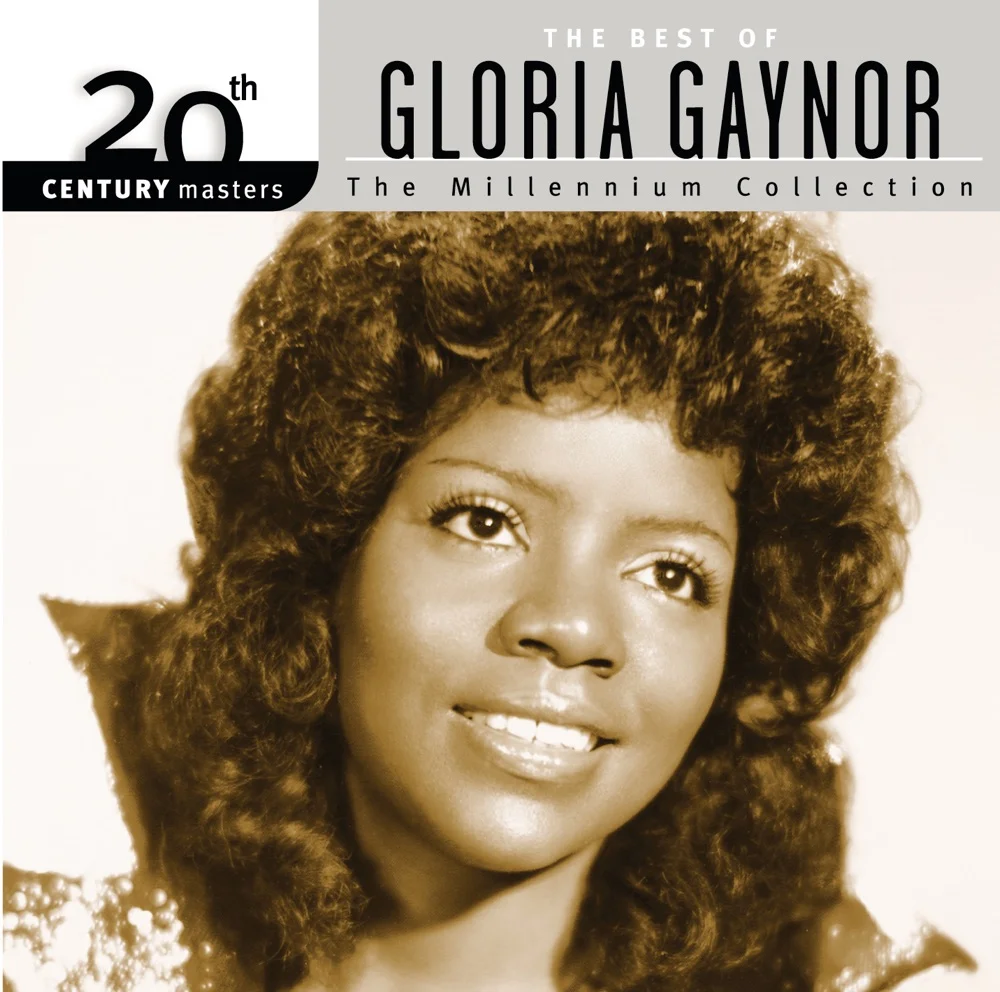
The Ultimate Empowerment Anthem
"I Will Survive" is more than just a disco hit; it is a vocal masterclass in progression and attitude. Originally released as a B-side in 1978, Gloria Gaynor's performance turned it into a global phenomenon. The song takes the singer on a journey from fear ("At first I was afraid...") to absolute confidence.
To sing this effectively, you need excellent breath control for the long phrases and the ability to maintain a powerful chest-mix voice without yelling. Let's break down the technique.
Phase 1: The Dramatic Intro (0:00 - 0:48)
The song begins with a piano ballad feel in A Minor. Gaynor sings this section with a storytelling approach. The phrasing here is loose.
The Trap: Do not belt this part too early. Keep the volume conversational. Focus on the emotion of the lyrics "I kept thinking I could never live without you by my side." Use a lighter chest voice here.
Phase 2: The Verse Build-up
As the disco beat enters, your diction must become sharper. The lyrics come fast: "And so you're back, from outer space."
- Breath Control: The phrases are long. Take quick, low breaths between lines.
- Placement: Move your resonance forward into the "mask" of your face to cut through the heavy instrumentation.
Phase 3: The Chorus Belt
This is the release. "Oh no, not I, I will survive!" requires a strong mix-belt. The melody centers around A4 and climbs to C#5.
To hit the C#5 comfortably, engage your core support and think of singing "down" into the note rather than reaching up for it. Open your mouth vertically to create space for the sound. If you feel a tickle in your throat, you are relying too much on throat tension rather than breath support.