 Singing Coach AI
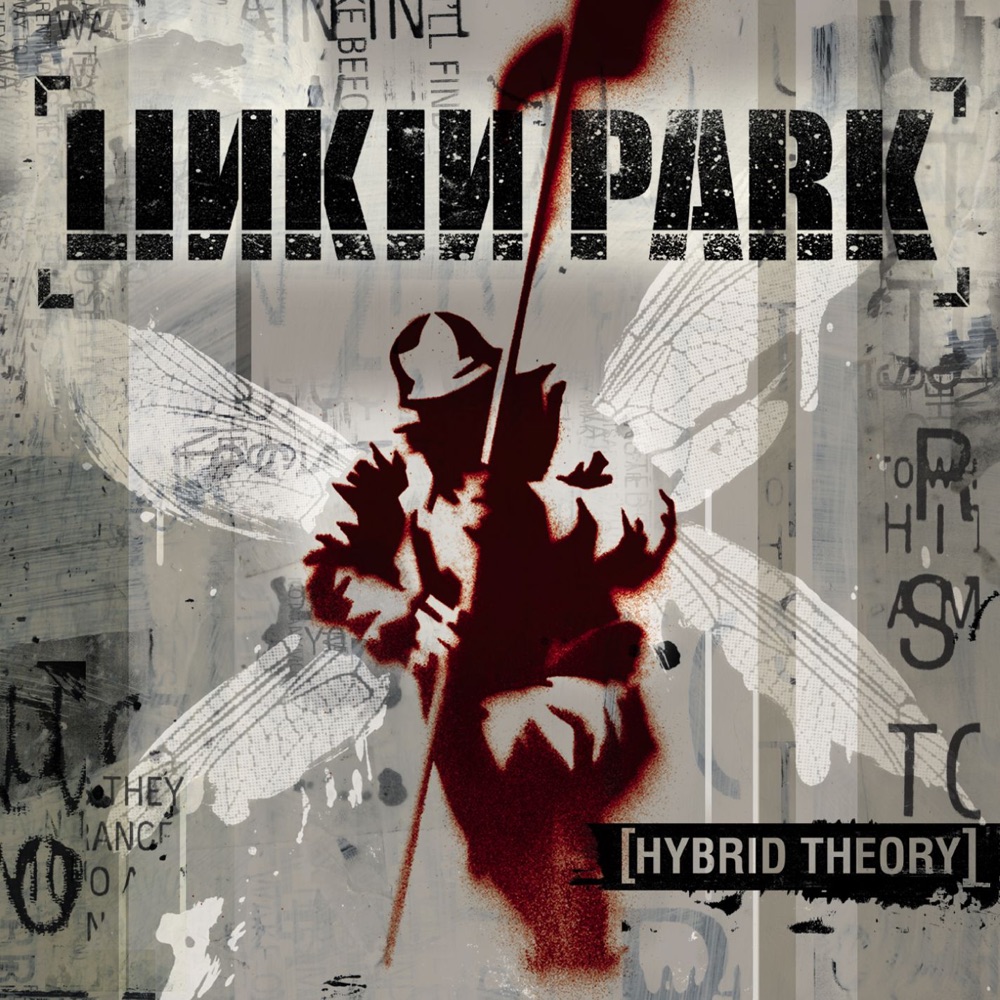
The Defining Anthem of Nu-Metal
"In the End" is a masterclass in dynamic contrast. Released on Linkin Park's debut album Hybrid Theory, the song relies heavily on the interplay between Mike Shinoda's structured rapping and Chester Bennington's soaring, melodic vocals. It avoids a traditional solo, focusing entirely on the emotional build-up and release.
Singing this track requires versatility. You need the rhythmic precision of a rapper for the verses and excellent breath support for the long, sustained notes in the chorus. Let's break down the vocal strategy.
Phase 1: The Verses (Mike's Flow)
The verses are in 4/4 time and require rhythmic lockdown. The delivery is conversational but percussive.
- Articulation: Focus on the consonants in "It starts with one thing." Don't slur words together.
- Tone: Keep it dry and forward. Do not add too much melody here; the contrast makes the chorus pop harder.
Phase 2: The Chorus (Chester's Melody)
This is the emotional core. The melody hovers around Gb4 and F4, peaking at G#4 on "got so far." This sits right in the passagio (break area) for most male voices.
The Technique: Do not flip into falsetto. This song requires a "chest mix." To achieve this, keep your vowel sounds narrow (modify "Hard" to sound more like "Hurd") to keep the larynx stable while maintaining the power of your chest voice.
Phase 3: The Bridge (Adding Grit)
The bridge ("I've put my trust in you") introduces Chester's signature raspy texture. As the intensity builds, you might feel tempted to scream.
Safety First: The distortion should come from the false chords, not from squeezing your true vocal cords. If it hurts or tickles, stop immediately. Think of adding a "sigh" or "heavy air" to the note rather than grinding your throat.