 Singing Coach AI
The Art of the "Desperate" Ballad
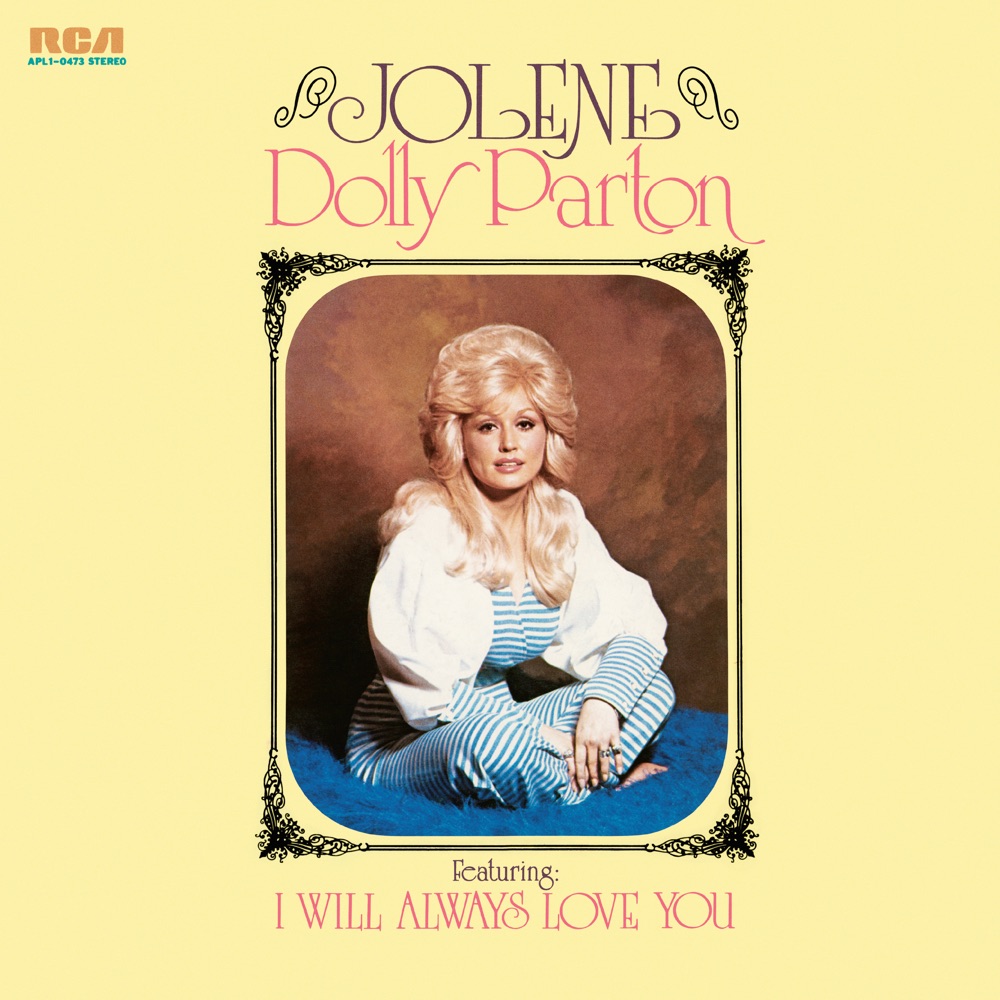
Jolene is one of the most recognizable songs in music history. Written by Dolly Parton, it tells the story of a woman confronting a beautiful bank teller who she believes is trying to steal her husband. Unlike many power ballads, Jolene is driven by a rapid acoustic guitar riff that demands urgency in the vocals.
To sing this well, you need to balance emotional vulnerability with technical precision. The lyrics come fast, and the "pleading" tone requires a very specific vocal placement. Let's break down how to capture that iconic Dolly sound.
Phase 1: The Chorus (The Hook)
The song opens immediately with the chorus. The word "Jolene" is repeated four times, descending in pitch. The highest note (C#5) hits on the third "Jolene."
The Trap: Don't belt this too heavily. Dolly uses a light, heady mix here. If you push too much chest voice, you lose the "begging" quality and it sounds angry instead of desperate. Keep the sound forward and bright.
Phase 2: The Verses (Rapid Fire)
The verses sit lower in the range, closer to speech level. The challenge here is breath control and speed. You have very little time to breathe between lines like "Your beauty is beyond compare / With flaming locks of auburn hair."
- Breath: Take quick "sipping" breaths. Do not take deep, heavy breaths or you will fall behind the beat.
- Placement: Use "twang." Narrowing your vocal tract (raising the larynx slightly) helps cut through the guitar without needing to sing louder.
Phase 3: Emotional Dynamics
The song maintains a high intensity throughout, but you should vary your volume. Pull back slightly on the verses to make the chorus pop. The final "Jolene" fade-out should be breathless and airy, signaling resignation.