
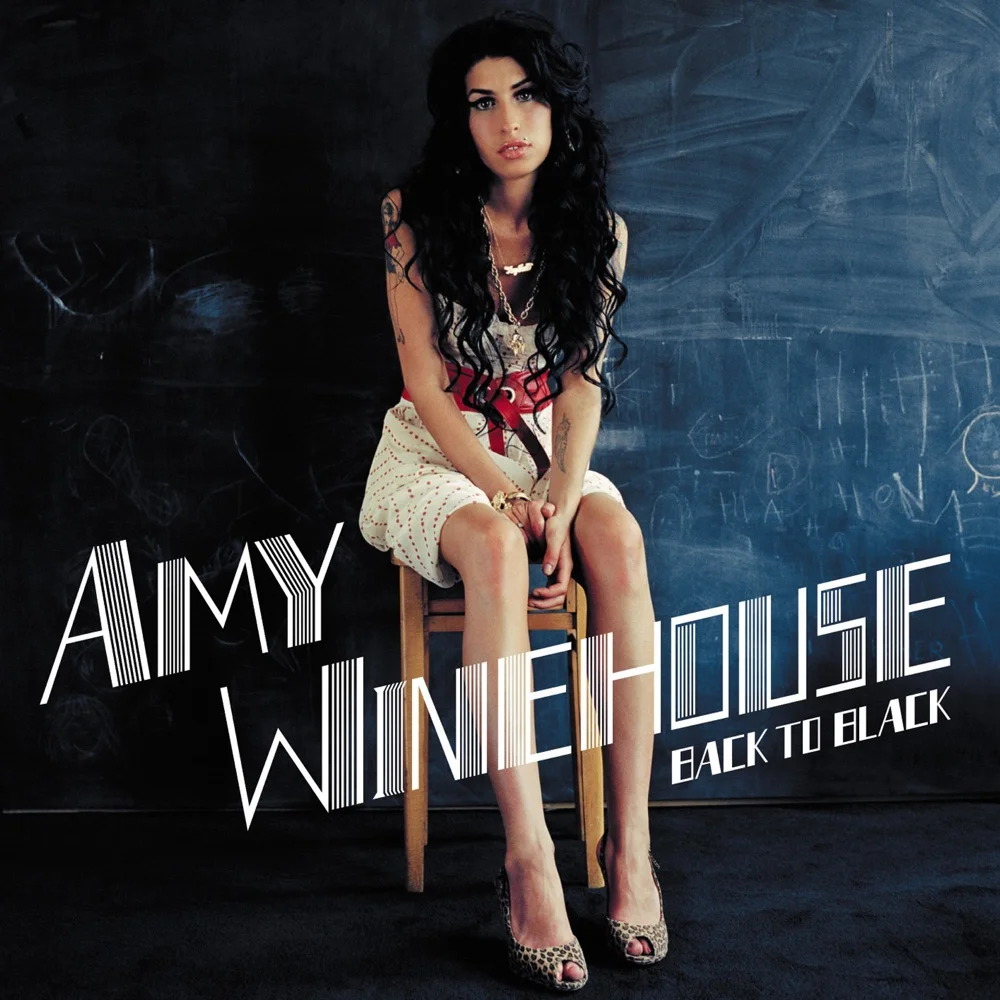
The Soul of Modern R&B
"Rehab" isn't just a hit song; it's a masterclass in modern soul styling. Released as the lead single from Amy Winehouse's 2006 masterpiece Back to Black, the song combines a retro Motown stomp with contemporary lyrical grit. While the range isn't excessively wide, the difficulty lies in the attitude and the "lazy" rhythmic delivery.
To sing this well, you need to abandon the idea of "pretty" singing. Amy's voice is thick, resonant, and conversational. The key is to stay grounded in your chest voice while navigating the jazz-inflected melody. Let's break it down.
AI Coach Tip: Back-Phrasing
Amy rarely sings directly on the beat. She uses "back-phrasing," meaning she delays her entry slightly to create a relaxed, soulful feel. Our AI detects if you are too rigid or "on the grid." Relax and let the beat lead you.
Phase 1: The Iconic Hook (0:00 - 0:48)
The song opens with the chorus. The line "They tried to make me go to rehab" sits in the G3-G4 pocket. You need a confident, slightly nasal placement here.
The Trap: Many singers rush the "No, no, no." These three notes need to be punchy and distinct. Think of them as percussive hits rather than sustained notes. Keep your jaw loose.
Phase 2: The Verses (0:48 - 1:35)
In the verses ("I'd rather be at home with Ray..."), the volume drops to a conversational level. This is storytelling time. You want to use "scoops" into notes—approaching the pitch from below rather than hitting it dead-on immediately.
- Articulation: Amy often softens her consonants. "Time" becomes "Tih-me." Don't over-enunciate, or you will lose the vibe.
- Breath Control: The phrases are long. Make sure to take a quick, deep breath before "I ain't got the time..." so you don't run out of air at the end of the line.
Phase 3: The Bridge (1:35 - 2:00)
The bridge ("The man said 'why do you think you here'") offers a melodic variation. The range lifts slightly, and you can introduce a lighter mix here before dropping back into the heavy chest voice for "I'm gonna lose my baby."
Focus on the emotional contrast between the defiance of the chorus and the vulnerability of the bridge lyrics.
Frequently Asked Questions
The highest consistent note is a G4 belted in chest voice. There are ad-libs that may go higher, but the core melody stays within a comfortable Contralto range.
No. While Amy had a natural rasp, forcing your voice to sound raspy can cause damage. Focus on the phrasing and the "weight" of the sound rather than imitating the texture.
Yes, but you may need to darken your tone to capture the soulful essence. Alternatively, you can transpose the key up +2 semitones in the Singing Coach AI app to fit a higher tessitura.