 Singing Coach AI
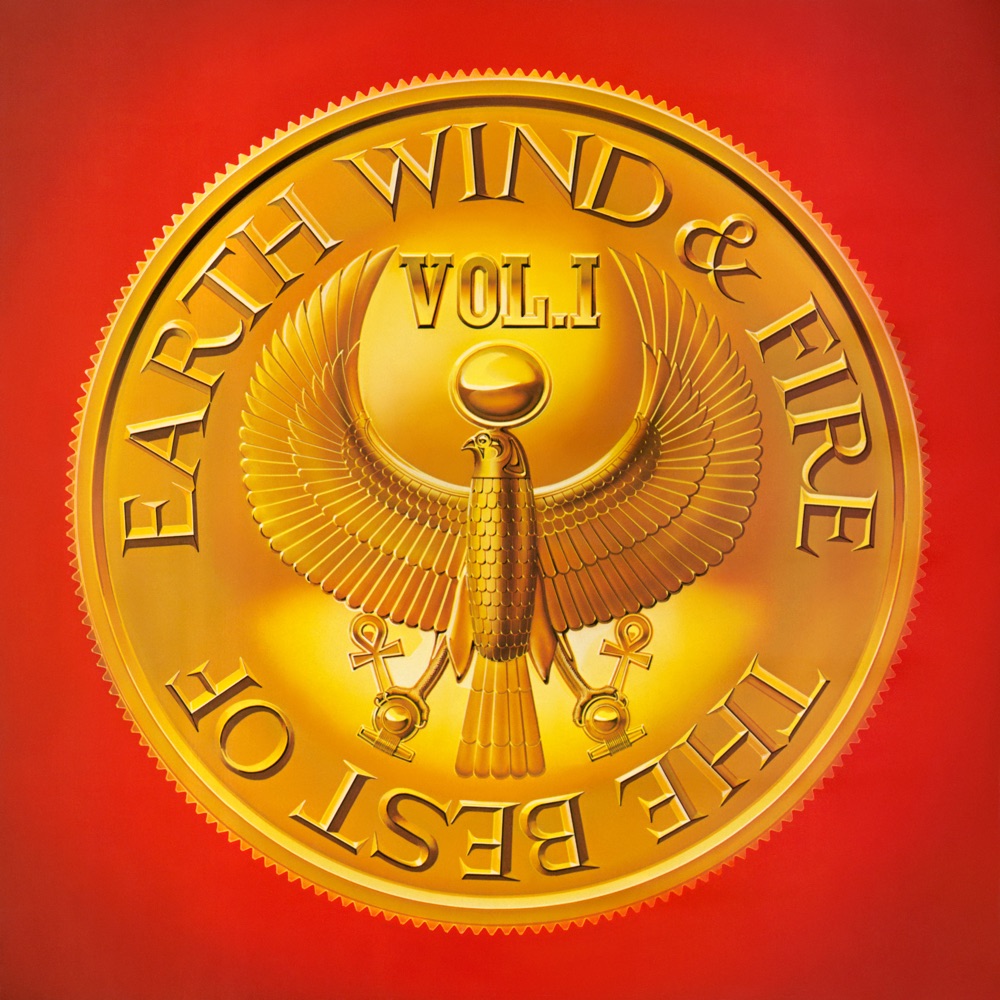
The Ultimate Disco Anthem
Released in 1978, "September" by Earth, Wind & Fire is a masterclass in vocal layering and R&B groove. The magic of the song lies in the interplay between Maurice White's earthy baritone-tenor in the verses and Philip Bailey's soaring falsetto in the choruses.
To sing this well, you need to master "the pocket." It's not just about hitting the notes; it's about where you place them in relation to the beat. The song is heavily syncopated, meaning you need to be perfectly locked in with the rhythm section.
Phase 1: The Verses (Maurice White)
The opening line "Do you remember..." sits in a comfortable mid-range. Maurice White sings this with a smile in his voice, creating a bright, welcoming tone. The key here is articulation.
The Trap: Don't rush! The verses are laid back. Sing slightly behind the beat to create that classic funk feel. If you push the tempo, you lose the groove.
Phase 2: The Falsetto Chorus (Philip Bailey)
This is the signature sound of the song. The chorus jumps up into the head voice range (reaching E5). You must switch gears from the chest-dominant verse to a reinforced falsetto.
- Ba de ya: These are non-lexical vocables. Don't try to make them sound like words. They are percussive sounds.
- Resonance: Aim the sound towards your "mask" (the front of your face/nose area) to get that piercing, bright quality without straining your throat.
- Dancing in September: Keep this line legato (smooth and connected) to contrast with the staccato horn hits.
Phase 3: The Ad-Libs
Towards the end of the song, the vocal lines become more improvisational. Philip Bailey adds high vocal runs. When practicing, start by mastering the main melody before attempting the complex runs, or you risk fatiguing your voice early in the song.