
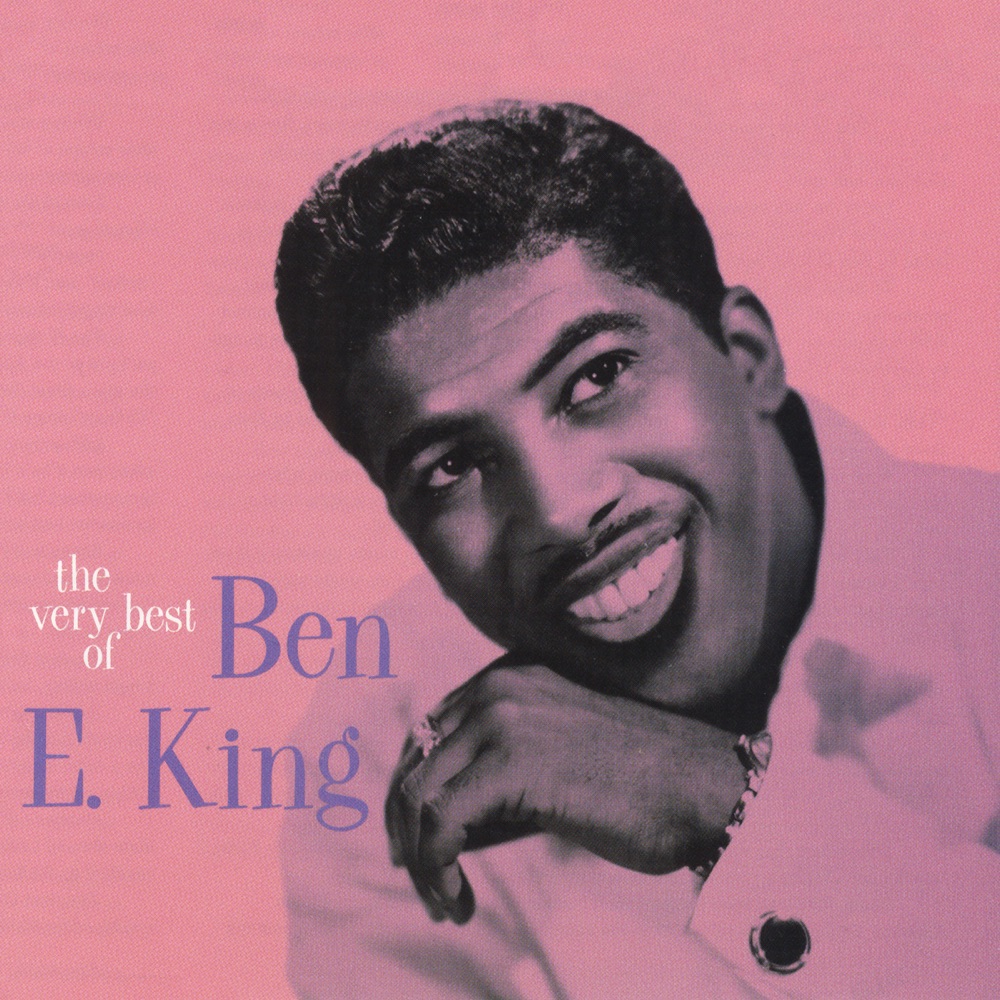
The Definitive Soul Standard
Ben E. King's "Stand by Me" is one of the most covered songs in history, yet singing it authentically is harder than it looks. Released in 1961, the song relies on a distinctive bass line chord progression (I-vi-IV-V) and a vocal performance that builds from a whisper to a plea.
Unlike modern pop songs that might rely on high belting or falsetto runs, "Stand by Me" is a masterclass in dynamics and control. The challenge lies in maintaining tone quality in the lower register and transitioning smoothly to the chorus without shouting.
AI Coach Tip: Watch Your Phrasing
Soul music often sits slightly "behind the beat." Our analysis shows that many users rush the lyrics in the verses. Try to stay relaxed and let the bass line lead you.
Phase 1: The Verses (Low & Warm)
The song opens in A Major. The first line, "When the night has come," sits low in the range (around A2). For tenors, this can feel tricky. You need to relax your larynx and use plenty of chest resonance.
The Trap: Don't try to push volume here. Think of this section as conversational. If you push too hard on the low notes, you will go sharp or sound "grumbly" rather than smooth.
Phase 2: The Build-Up
As you approach "And the moon is the only light we'll see," the melody begins to climb. This is where you need to engage your breath support. You aren't belting yet, but you need to increase the intensity.
- Consonants: Be careful with the 't' in 'light' and 'night'. Keep them soft so they don't interrupt the legato flow.
- Resonance: Start shifting the placement of your voice from deep chest to a more forward "mask" placement.
Phase 3: The Chorus (The Hook)
The famous "So darlin', darlin', stand by me" requires a confident, open sound. The highest note in the main melody is an F#4. This is the "money note" of the song.
To hit this with the right soul texture, drop your jaw vertically on the word "Stand." This creates space in the throat and prevents the sound from becoming thin or nasal. You want a rich, brassy tone here.
Frequently Asked Questions
The highest belted chest-voice note in the main melody is an F#4. However, Ben E. King adds ad-libs and falsetto notes towards the end that reach up to A5.
Yes! Because the melody is repetitive and stays within a comfortable range for most male voices (and low female voices), it is an excellent song for learning pitch control and rhythm.
The rasp should come from emotion, not tension. Try to add a little "cry" to your voice on the higher notes. Do not squeeze your throat; use your diaphragm to push the air through comfortably.