 Singing Coach AI
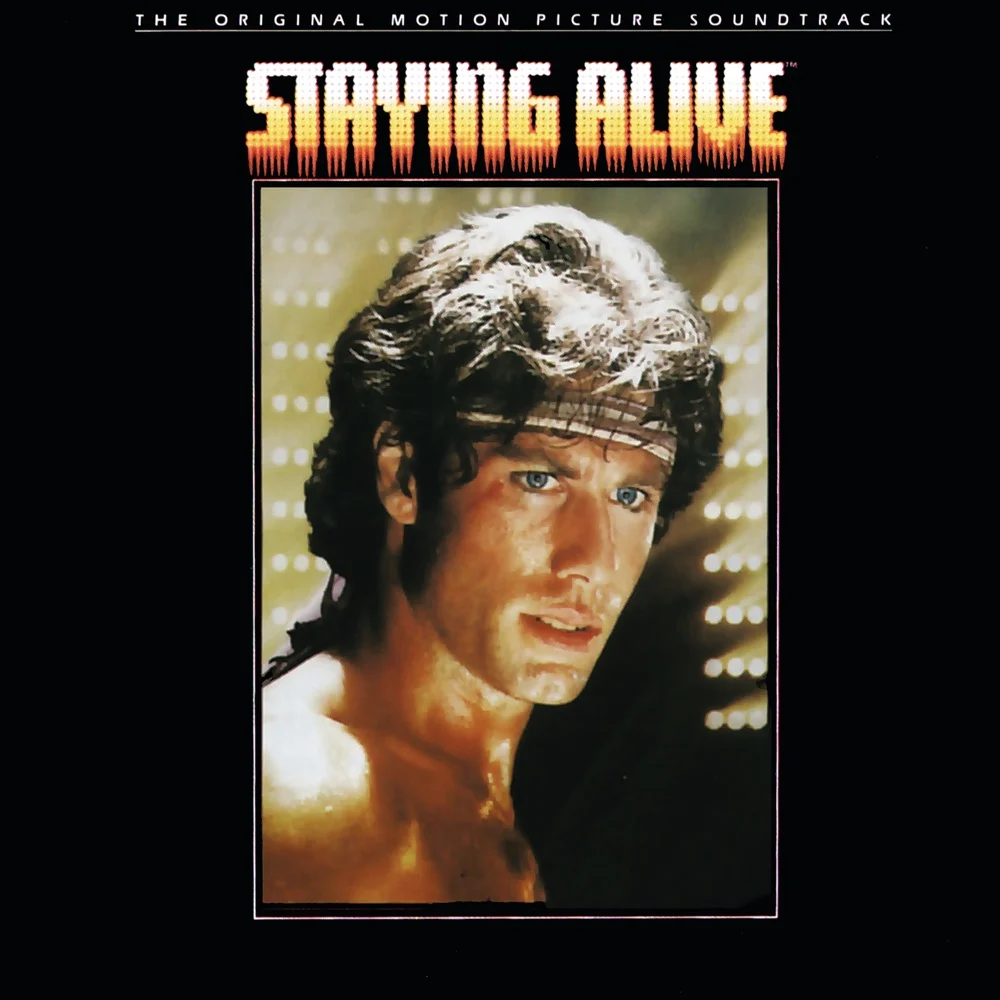
The "Mount Everest" of Disco Vocals
Stayin' Alive is the definitive sound of the disco era. Released in 1977 for the Saturday Night Fever soundtrack, this song completely redefined The Bee Gees' career. While the beat is famous for being used in CPR training (103 BPM), the vocals are equally legendary for Barry Gibb's unrelenting use of falsetto.
To sing this well, you need to abandon your chest voice almost entirely. You need a piercing, "twangy" head voice that can cut through the heavy bass and strings without sounding weak or breathy. Let's break down exactly how to tackle it, section by section.
Phase 1: The Verse (0:09 - 0:45)
The song starts in F Minor. The line "Well, you can tell by the way I use my walk" is delivered with a rhythmic, staccato feel. You aren't just singing notes; you are acting as a percussion instrument.
The Trap: Singers often drag the tempo here. Keep your consonants sharp ("Walk," "Talk," "Time"). Stay right on top of the beat to maintain that strutting energy.
Phase 2: The Pre-Chorus (0:45 - 1:04)
Here the melody begins to climb on "Music loud and women warm." You need to increase your breath support (engage your core) as you ascend. If you don't support the air, your throat will tighten, and you'll sound strained by the time you reach the chorus.
Phase 3: The Chorus (1:04 - 1:22)
The iconic "Ah, ha, ha, ha, stayin' alive" is the vocal endurance test. You are hitting repeated F4s and G4s. The "Ah" vowel should be modified slightly towards "Uh" to keep the throat open while maintaining the falsetto quality.
On the high ad-libs ("I'm a woman's man"), Barry touches notes as high as F5. Don't shout these. Use a reinforced head voice and think of the sound shooting out of the top of your head.