 Singing Coach AI
The Standard for Modern Country Soul
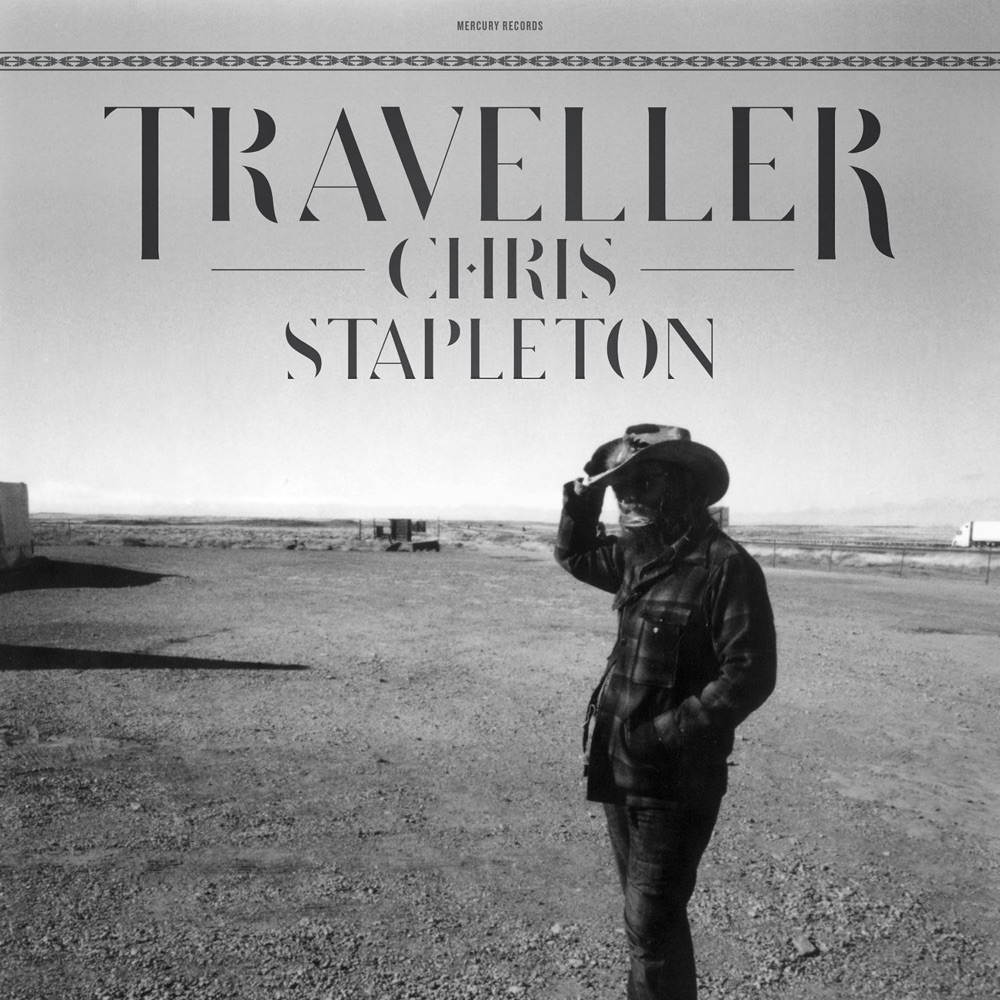
When Chris Stapleton took the stage with Justin Timberlake at the 2015 CMAs, his version of "Tennessee Whiskey" became an instant classic. It blends old-school country storytelling with the grit and melisma of R&B. It is a deceptively difficult song; while the melody seems simple, the nuanced runs and dynamic control separate the amateurs from the pros.
To sing this well, you need to be comfortable in your lower chest register while possessing the power to belt open vowels in your mixed voice. Let's break down exactly how to tackle it, section by section.
Phase 1: The Verses (Low & Warm)
The song begins in A major. The verses ("Used to spend my nights out in a barroom...") sit low, touching down to an E2. This is the bottom of the range for many tenors.
The Trap: Singers often lose volume or clarity here. Keep your chest high and use "speech-level" resonance. Do not push air too hard on the low notes, or you will sound breathy and weak.
Phase 2: The Chorus (The Climb)
The chorus lifts the energy. The line "You're as smooth as Tennessee Whiskey" requires a confident belt up to F#4 and eventually A4.
- Vowel Modification: On the word "smooth," think "smuh-ooth" to keep the throat open. A tight "oo" vowel can cause tension at this pitch.
- The High Note: The A4 on words like "warm" and "stone" needs power. Engage your core and think of projecting the sound to the back of the room.
Phase 3: The Runs (Vocal Agility)
What makes this cover iconic are the blues runs (melisma). Stapleton never sings a straight line if he can bend it. He uses the major pentatonic scale extensively.
To practice the runs, slow the track down. Map out the individual notes in the run. If you slur the notes together, it sounds messy. Precision is key—hit each note in the run distinctly before moving to the next.