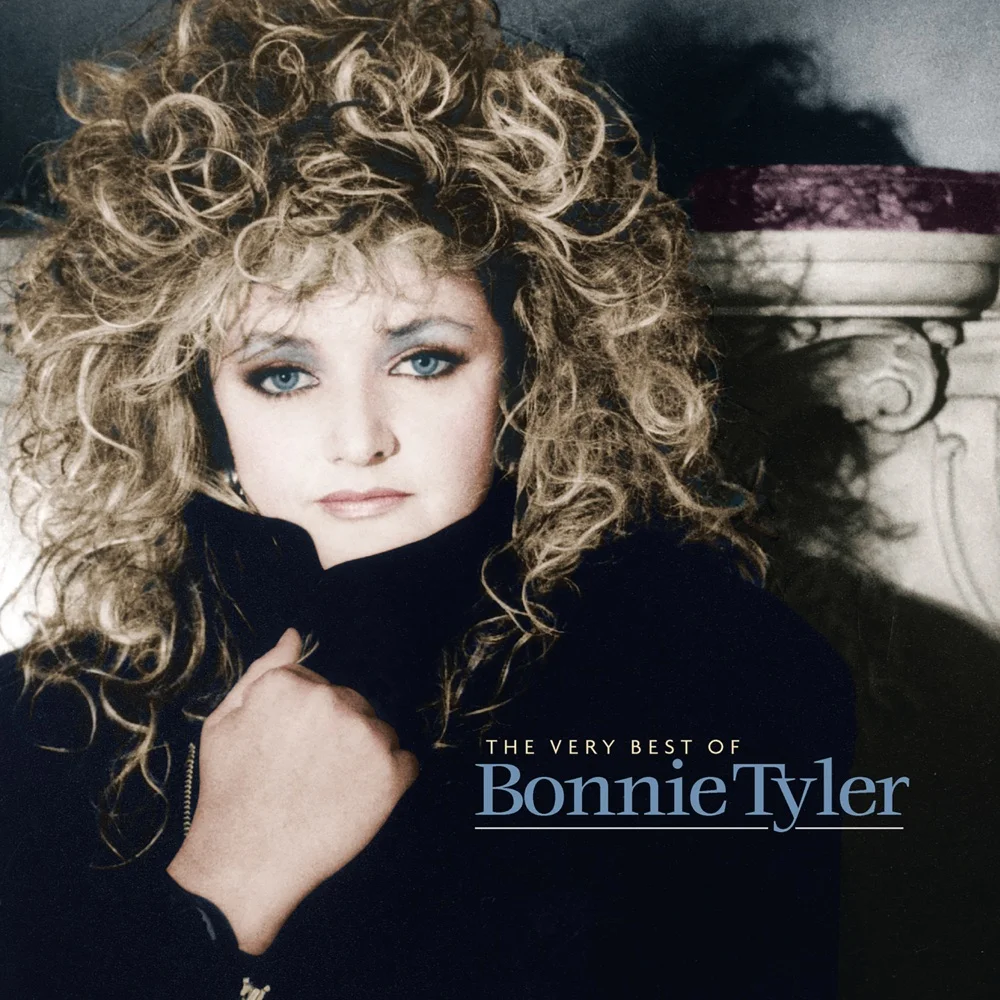
Library > Bonnie Tyler > Total Eclipse of the Heart

How to sing Total Eclipse of the Heart

Analyze your vocal range against Bonnie Tyler's power ballad. Get real-time feedback on your belting, emotional dynamics, and timing.

Total Eclipse of the Heart

Bonnie Tyler • 1983

COMMUNITY AVG SCORE

72/100

Most users struggle with breath support.

Song DNA

Before you record, know the numbers. This Jim Steinman masterpiece requires massive endurance and wide dynamic control.

Hard
Difficulty
F#3 - E5 Vocal Range
Dramatic Alto Best Voice Type
B♭ Minor Key Signature
6:58 Duration
Belt/Chest Register

Top Performances this Week

Can you beat these scores? Download the app to get ranked.

1
96% Score
2
93% Score
3
89% Score
View full leaderboard in app →

The Ultimate Power Ballad

Written by Jim Steinman and released in 1983 on the album Faster Than the Speed of Night, "Total Eclipse of the Heart" is a gothic rock masterpiece. It requires a singer who can navigate deep emotional valleys and explosive, thunderous peaks. The song is famous for its dramatic structure, modulating keys, and Bonnie Tyler's signature raspy tone.

To sing this well, you need stamina. The track is long, and the intensity builds relentlessly. You must balance the breathy vulnerability of the verses with the full-throttle belting of the choruses without fatiguing your voice.

AI Coach Tip: Manage Your Air

The phrase "Turn around" is repeated constantly. Our analysis shows users often run out of breath here. Take a quick, low breath before every second "Turn around" to ensure you have enough support for the longer phrases that follow.

Phase 1: The Verses (Turn Around)

The song begins in a lower register (around F#3/G3). It should feel intimate and slightly haunted. Keep your volume at a mezzo-piano.

The Trap: Don't get too loud too soon. If you push the volume during the "Turn around, every now and then" sections, you will have nowhere to go when the explosive chorus hits. Focus on clear diction and a consistent, warm tone.

Phase 2: The Build (Bright Eyes)

As the drums kick in and the lyrics shift to "Turn around, bright eyes," you need to brighten your vowel sounds. Use a "twangy" placement to cut through the music as the instrumentation swells.

  • Dynamics: Start increasing your volume gradually.
  • Placement: Move the resonance from your chest up into your mask (the front of your face) to prepare for the high belt.

Phase 3: The Chorus (And I Need You Now)

This is the release. The line "And I need you now tonight" sits high in the chest/mix voice. You need to drop your jaw and use an open throat (like biting into an apple) to hit these notes with power.

Do not squeeze your throat to get the "grit." Bonnie Tyler's rasp is iconic, but mimicking it by grinding your vocal cords can cause damage. Instead, focus on emotional intensity and volume. Let the grit happen naturally if you have it, or use a clean, powerful belt if you don't.

Frequently Asked Questions

What is the highest note in Total Eclipse of the Heart?

The lead vocal melody reaches up to an E5 during the ad-libs and high intensity moments, though the core belting range sits comfortably around C5/D5.

How do I get the raspy sound safely?

Bonnie Tyler had vocal nodules which created her sound. You should not try to damage your voice to copy her. You can achieve a similar effect using "vocal fry" onset or safe distortion techniques, but prioritize a healthy belt first.

Is this song too hard for beginners?

It is challenging due to the length and power required. Beginners can sing it, but we recommend transposing the key down -2 semitones in the Singing Coach AI app to practice the technique without straining on the high notes.

Don't just sing in the shower.

Get actionable feedback on Total Eclipse of the Heart and 1000+ other songs instantly.

Download on App Store