 Singing Coach AI
The Art of the "Gravel" Voice
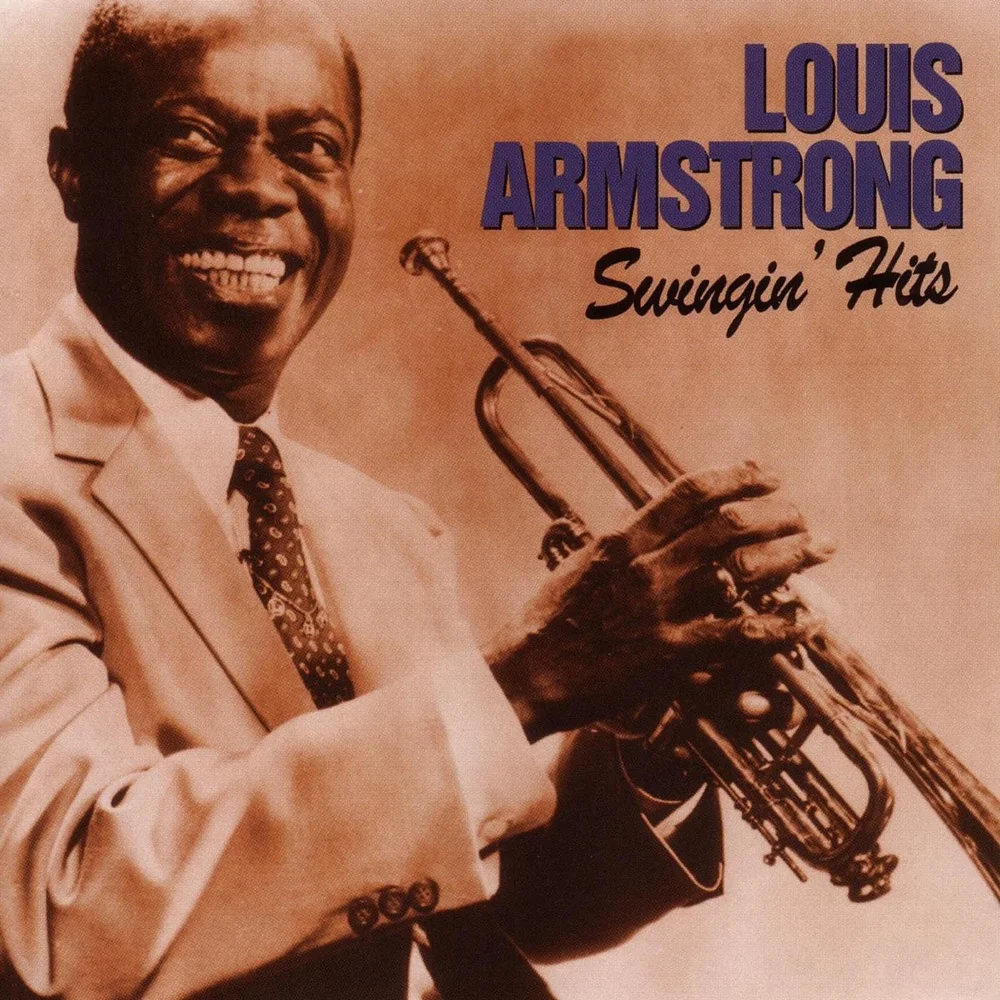
A Kiss to Build a Dream On is a masterclass in personality and phrasing. Originally recorded by Louis Armstrong in 1951, this song demonstrates how to deliver emotion without needing a massive vocal range. The magic lies in the texture of the voice and the "swing" feeling.
To sing this well, you need to abandon the idea of perfect, clean pop vocals. You need to embrace a conversational, almost storytelling approach. It requires excellent breath support to maintain the tone while keeping the volume relaxed.
Phase 1: The Verse (Warmth)
The song usually begins with a slow, lush intro. When you enter with "Give me a kiss to build a dream on," the goal is warmth. Louis uses a lot of chest resonance here.
The Trap: Many singers try to fake the "growl" by tightening their throat. This is dangerous. The grit should come from a relaxed engagement of the false vocal folds, not from squeezing/constriction. Think of it as a heavy sigh.
Phase 2: The Bridge (Dynamics)
As the song progresses to the bridge ("Sweetheart, I ask no more than this..."), the melody lifts slightly. Keep the vowels open and round. Armstrong had a unique way of smiling while singing, which brightens the tone even in lower registers.
- Diction: Don't over-articulate. The consonants should be soft to maintain the legato line.
- Vibrato: Louis used a terminal vibrato (at the end of notes) that was quite fast. Try to hold the note straight first, then add a shimmer at the end.
Phase 3: The Trumpet Phrasing
Louis Armstrong was a trumpet player first, and a singer second. He sings exactly like he plays his horn. Listen to how he slides between notes (portamento). When practicing with the Singing Coach AI app, try to visualize the melody as a brass instrument line—bold, declarative, but smooth.