 Singing Coach AI
Mastering the "Dark Pop" Vibe
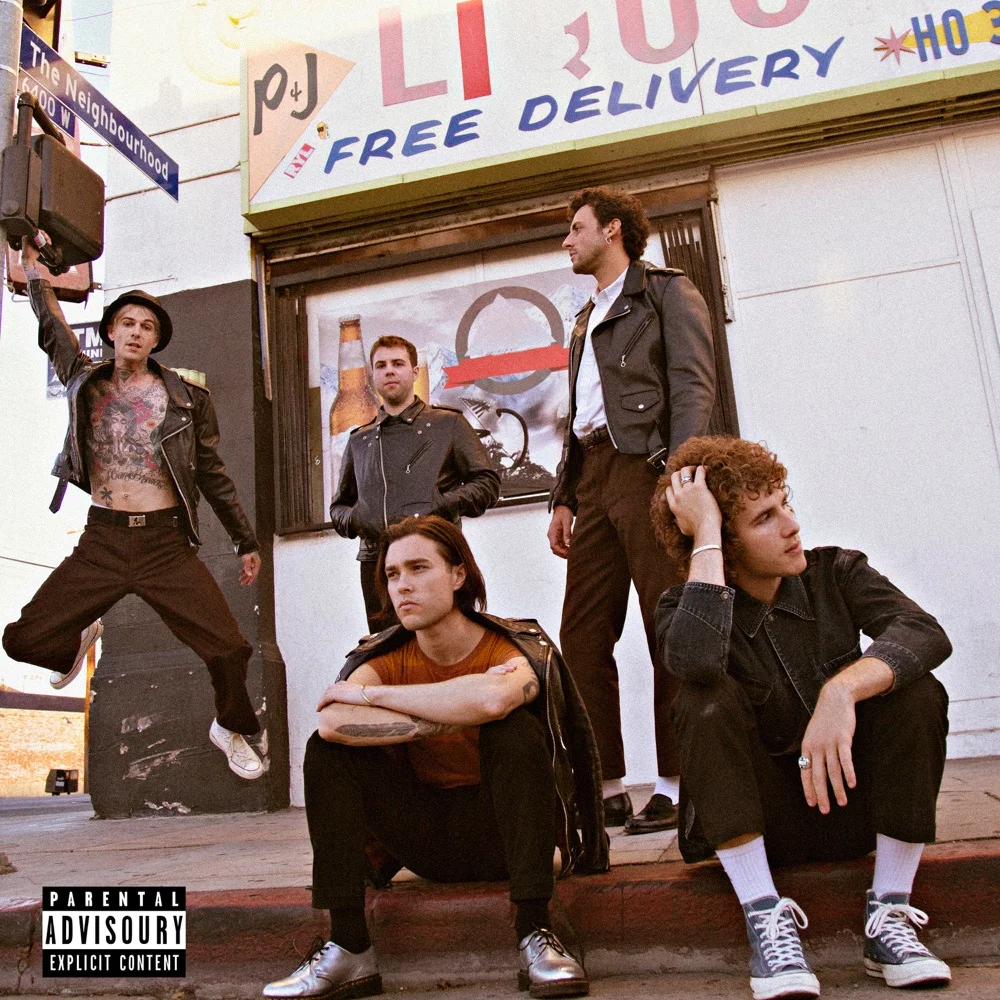
"Afraid" is a standout track from The Neighbourhood's debut album I Love You. It perfectly encapsulates their moody, atmospheric sound. For a vocalist, the challenge isn't just hitting the notes—it's embodying the anxiety and vulnerability in the lyrics.
Jesse Rutherford moves between a conversational, almost mumbled delivery in the verses to a full-throated, desperate belt in the chorus. To sing this effectively, you need to manage your energy levels so the chorus hits with maximum impact.
Phase 1: The Verses (Low & Numb)
The song starts in the lower register (C3 area). The line "When I wake up, I'm afraid" should be delivered with a darker tone. Keep your larynx neutral or slightly lowered.
The Trap: Because the pitch is low, singers often lose volume. Ensure you are still supporting the breath from your diaphragm, even if the tone sounds relaxed. If you lose support, the pitch will go flat.
Phase 2: The Chorus (Aggressive)
The dynamic shift here is massive. The line "Being me can only mean..." jumps up in range and intensity. You are aiming for a solid chest belt or a chest-heavy mix up to Ab4.
- Compression: You need vocal compression to get that "gritty" sound without hurting your throat.
- Vowel Modification: On the word "Mean," modify the vowel slightly towards "Mih-n" to open the throat and avoid squeezing the high note.
- Emotion: The lyrics are desperate. Don't be afraid to let your voice break slightly for effect, provided it's a stylistic choice and not a technical failure.
Phase 3: The Explicit Bridge
The rhythmic section ("You're too mean, I don't like you...") is almost rapped. This part is about attitude and rhythm. The pitch is less important than the biting, cynical delivery.
Focus on the consonants here. Spit the words out to create a percussive effect that locks in with the drum beat.