 Singing Coach AI
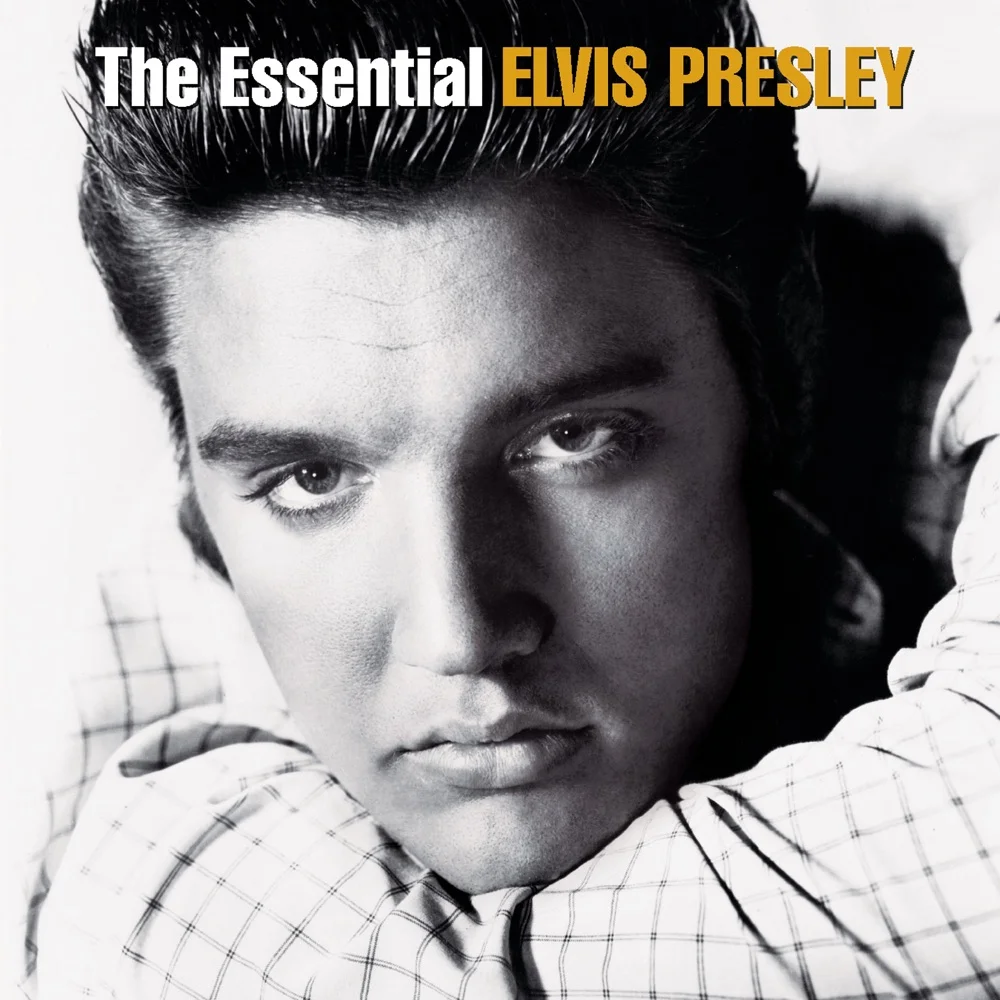
The King's Heartbreaking Ballad
Always on My Mind was recorded by Elvis Presley in 1972, shortly after his separation from his wife, Priscilla. This context is crucial because the song isn't just about hitting notes—it's about conveying regret, sincerity, and love. Unlike the rock and roll belts of his earlier years, this track requires a mature, controlled Baritone delivery.
To sing this well, you need to master your chest register's "warmth." It sits comfortably in G Major, avoiding extreme high notes, but demands immaculate phrasing and breath support to sustain the slow tempo.
Phase 1: The Verses (0:00 - 0:58)
The song opens with "Maybe I didn't treat you..." in a conversational range. The melody hovers around G2 to D4. The challenge here is clarity.
The Trap: Because it is low, many singers let their pitch sag or become "fry-like." Keep your soft palate lifted to ensure the low notes still project. Think of "speaking on pitch" rather than singing forcefully.
Phase 2: The Bridge (0:58 - 1:25)
The emotional peak arrives with the lyrics "Tell me, tell me that your sweet love hasn't died." The dynamics must increase here. You need to move from a mezzo-piano to a mezzo-forte.
- Breath Support: The phrases become longer here. Take a deep, low breath before "Give me..." to ensure you have enough air to finish the line without your voice trembling.
- Tone Color: The tone should become slightly brighter and more urgent, reflecting the desperation in the lyrics.
Phase 3: The Chorus (1:25 - End)
The famous line "You were always on my mind" requires smooth legato singing. Connect the vowels. Do not chop the words up. The melody climbs to an E4, which is the "money note" of the track.
Unlike the gritty belt in rock songs, this E4 should be round and noble. Keep your larynx neutral. If you raise your larynx to reach it, you will sound strained and lose the emotional gravity of the performance.