 Singing Coach AI
The Art of Indie Melancholy
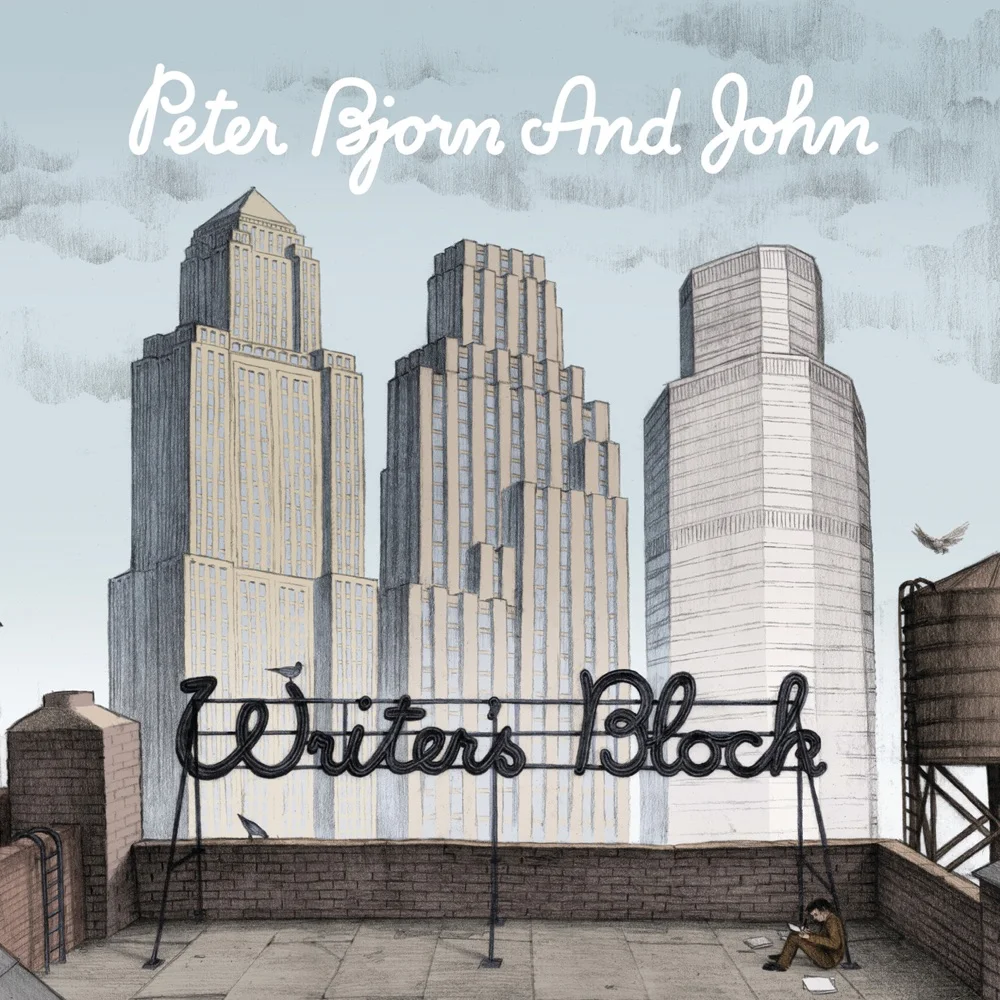
"Amsterdam" is a standout track from Peter Bjorn and John's breakthrough album Writer's Block. Unlike high-belting rock anthems, this song requires a cool, almost detached delivery that slowly builds in intensity. It’s a perfect song for singers looking to master phrasing and storytelling without straining their upper range.
The vocal style here is famously "dry"—meaning less vibrato and more conversational rhythm. You need to lock into the driving bassline and let the lyrics flow naturally.
Phase 1: The Rhythmic Verse
The song starts with a driving rhythm. The vocals sit in a comfortable Baritone/Tenor range (A2 to C4). The key here is not pitch height, but rhythmic precision.
The Technique: Don't drag the notes. Keep the vowels short and crisp. Think of the vocals as another percussion instrument. The melody is repetitive, so use dynamics to keep it interesting—start softer and grow.
Phase 2: The Chorus Lift
When the chorus hits ("I'm looking for the girl I knew..."), the melody lifts slightly, but remains within the chest voice. The challenge is the emotional shift.
- Tone Color: Aim for a "forward placement." Feel the vibration in the front of your face or mask to get that specific indie-pop nasal quality.
- Range: It touches E4, which is the bridge area for many male voices. Keep the larynx neutral; don't push or yell.
- Legato: Connect the words more smoothly here compared to the staccato verses.
Phase 3: Stamina and Mood
As the song progresses, the instrumentation builds. A common mistake is trying to sing louder to compete with the band. Instead, focus on articulation. Let the microphone do the work for volume, while you focus on the intensity of the delivery.
Peter Morén's vocals are raw and honest. Imperfection is part of the charm, so if your voice cracks slightly or sounds breathy, lean into it. It fits the genre perfectly.