 Singing Coach AI
Storytelling Through Song
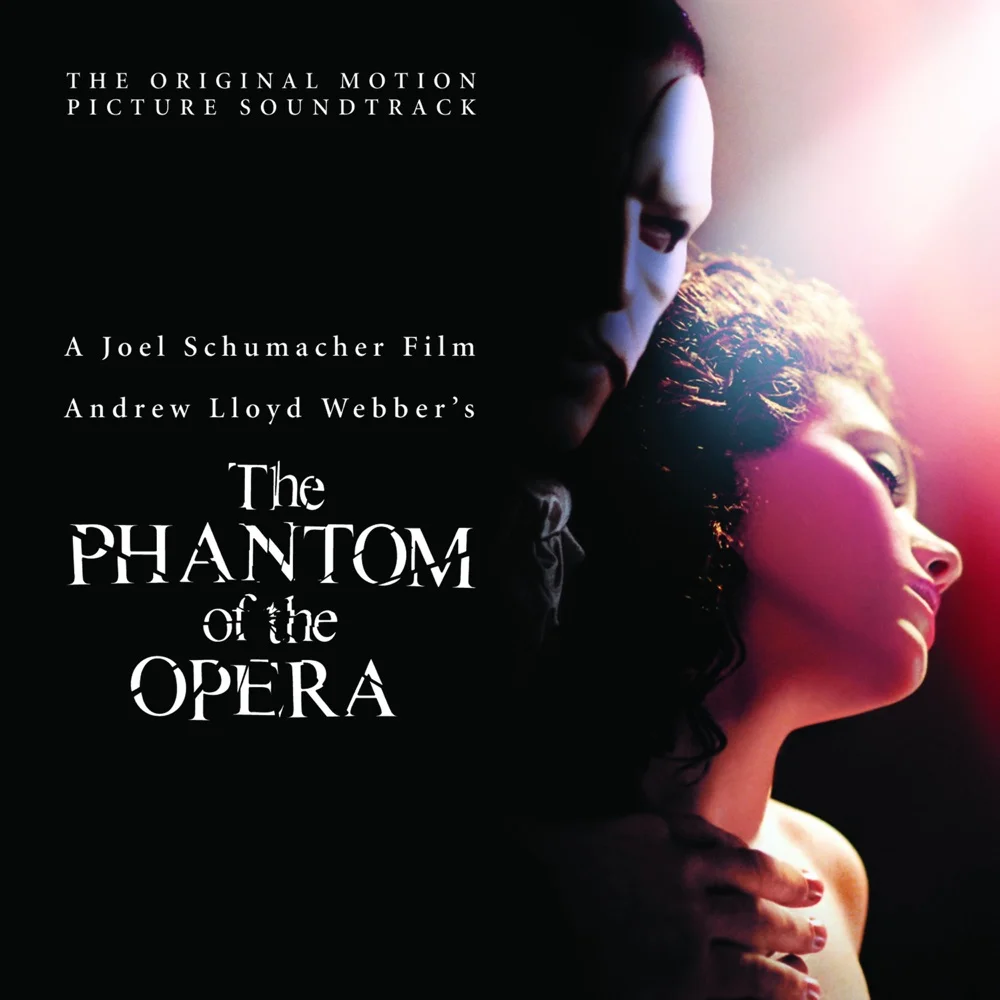
Angel of Music is a pivotal moment in Andrew Lloyd Webber's The Phantom of the Opera. In the 2004 film version, this duet between Christine (Emmy Rossum) and Meg (Jennifer Ellison) bridges the gap between recitative dialogue and lyrical singing. It is not just about hitting notes; it is about character interaction.
To sing this well, you must navigate the conversational rhythm of the verses while maintaining the vocal poise required for the soaring choruses. Let's break down exactly how to tackle it, section by section.
Phase 1: The Interrogation (0:00 - 0:45)
Meg Giry begins with rapid questions. This section sits in the middle register (F4 range). The challenge here is keeping the rhythm tight without sounding mechanical.
The Trap: Singers often drag the tempo here. Keep it moving forward. Think of it as "speech-level singing"—relaxed, forward, and bright.
Phase 2: The Revelation (0:45 - 1:30)
As Christine describes her "Angel," the melody elongates. The musical lines become more legato (smooth and connected). This is where you switch into your classical technique.
- "Angel of Music": Requires a soft, floating head voice. Avoid pushing chest voice up here.
- "Guide and guardian": Focus on vowel modification. Round your mouth shape to create a warmer, darker tone suitable for the mystery of the Phantom.
Phase 3: The Harmony (1:30 - End)
When Meg and Christine sing together, the harmonies are typically in thirds. The 2004 movie arrangement emphasizes the blending of two soprano voices.
To score high in the Singing Coach AI app, focus on intonation. The intervals must be precise. If you are singing Christine's line, ensure your G5 is supported by deep diaphragmatic breathing, not throat tension. If singing Meg's line, provide a solid foundation without overpowering the melody.