 Singing Coach AI
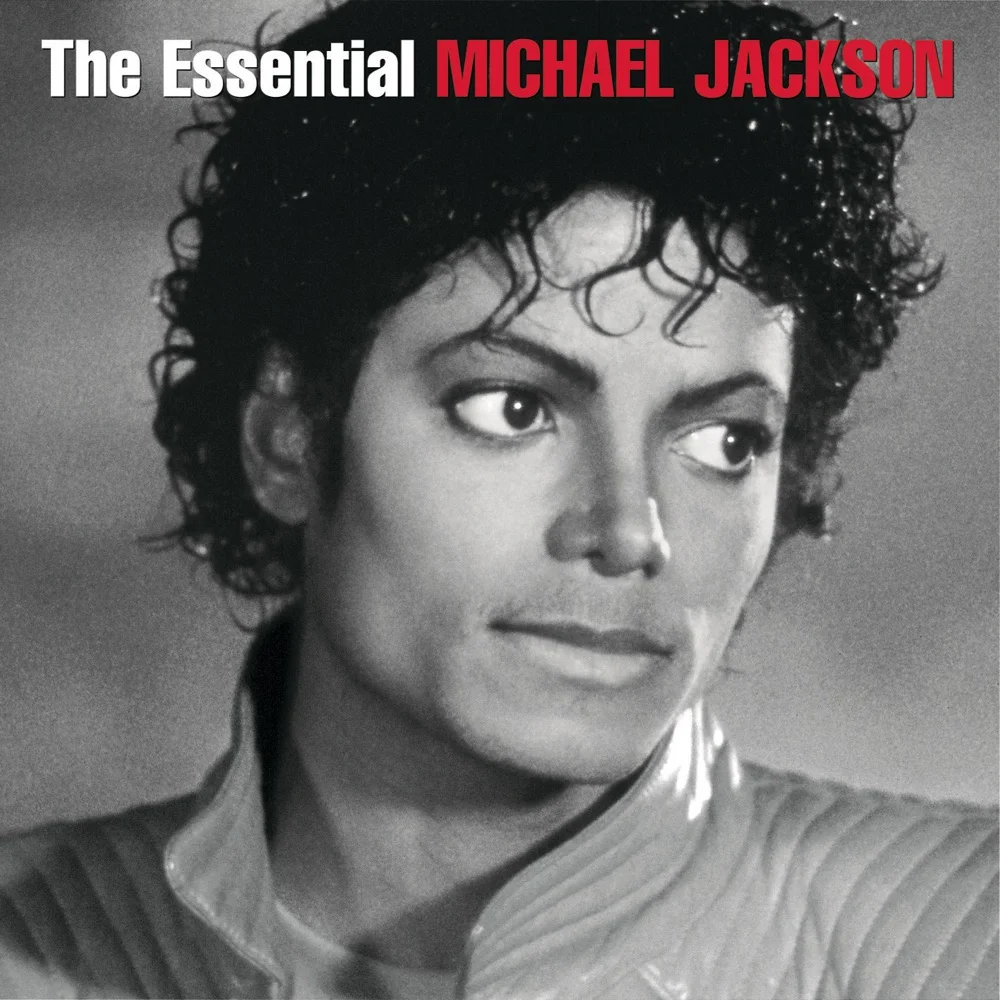
The Anthem of Attitude
"Bad" isn't just about melody—it's about percussion. Released as the title track of his 1987 album, Michael Jackson uses his voice as a rhythm instrument here more than ever before. Produced by Quincy Jones, the track demands sharp staccato delivery and an aggressive, forward tone.
The song stays rooted in a funky A Minor groove. To sing this convincingly, you can't be polite. You need to channel "grit" without hurting your throat, and you need to master the signature MJ "hiccup" technique that punctuates the ends of lines.
Phase 1: The Verses (Grit & Staccato)
The verses ("Your butt is mine...") sit in a mid-range chest voice. The challenge is the texture. You need to add a slight "growl" or vocal fry to the start of words.
The Trap: Don't just shout. MJ is actually singing quite quietly in the studio but with high compression. Imagine you are whispering loudly to someone across a table. This gives you the intensity without the strain.
Phase 2: The Chorus (Projecting Power)
The chorus ("Because I'm Bad, I'm Bad...") lifts the energy. Here you are belting around C4 to E4. The vowels need to be narrow.
- "Shamone": This famous ad-lib isn't just a word; it's a rhythmic device. Treat it like a snare drum hit.
- Who's Bad?: The question needs to be thrown forward into the mask of the face (nasal resonance) to cut through the heavy synth bass.
Phase 3: The Ad-libs (Range Extension)
Towards the end of the song, MJ explores his upper register, hitting belts up to C5 and falsetto flourishes even higher. If you can't reach these notes in full chest voice, switch to a "mixed voice" (a blend of chest and head resonance) to maintain the power without cracking.