 Singing Coach AI
Mastering the "Swamp Rock" Sound
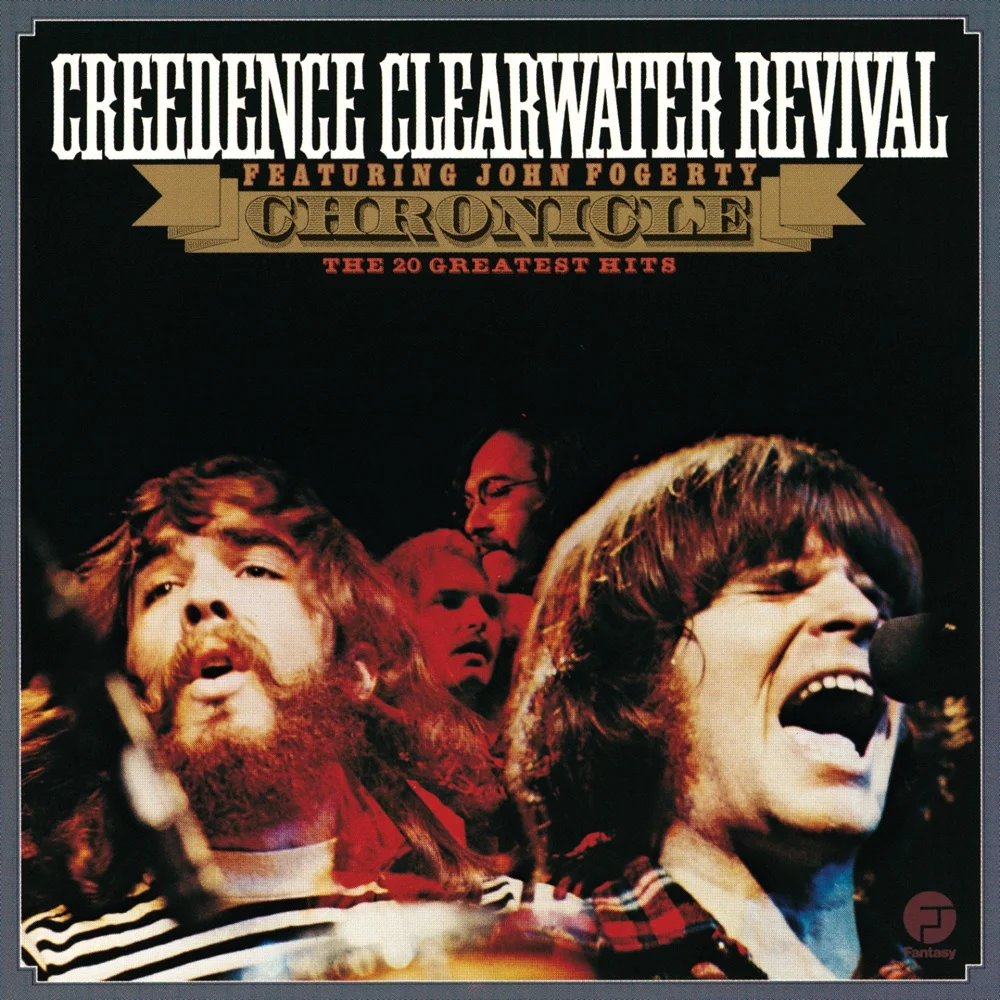
Bad Moon Rising is a quintessential roots rock anthem. Released on the 1969 album Green River, it features John Fogerty’s distinctive vocal style that mixes country twang with rock aggression. Unlike complex ballads, this song relies on a driving rhythm and forward vocal placement.
To sing this well, you don't need a massive range. The song stays comfortably within the speech level for most men and the low range for most women. The challenge lies in the "attitude" and articulation.
Phase 1: The Verses (Low & Rhythmic)
The verses (e.g., "I see the bad moon arising") sit in the D3 to F#3 range. This is your "storytelling" voice. Keep your volume moderate (mezzo-forte).
The Trap: Because it's low, singers tend to get "muddy" or muffled. Keep a slight smile while singing to brighten the tone. This adds the necessary high frequencies to cut through the guitar strumming.
Phase 2: The Chorus (The Belt)
The chorus lifts the energy. The line "Don't go around tonight" jumps up to G4. While not incredibly high, it needs power.
- Breath Support: Engage your diaphragm before the line "Don't go around." You need steady air pressure to sustain the G4 without your voice cracking.
- Vowel Modification: On the word "tonight," modify the vowel towards "to-naht." Dropping the jaw helps you hit the higher note with a fuller sound.
Phase 3: The Fogerty "Twang"
John Fogerty sounds like he's from the Louisiana bayou (even though he's from California) because of his "twang." This is achieved by narrowing the epiglottic funnel—similar to the sound of a duck quacking or a baby crying.
Practice saying "Nye, nye, nye" in a bratty tone. Apply that same feeling to "Hope you got your things together." This forward placement protects your vocal cords while giving you that gritty rock sound.