 Singing Coach AI
Rhythm, Diction, and Sangria
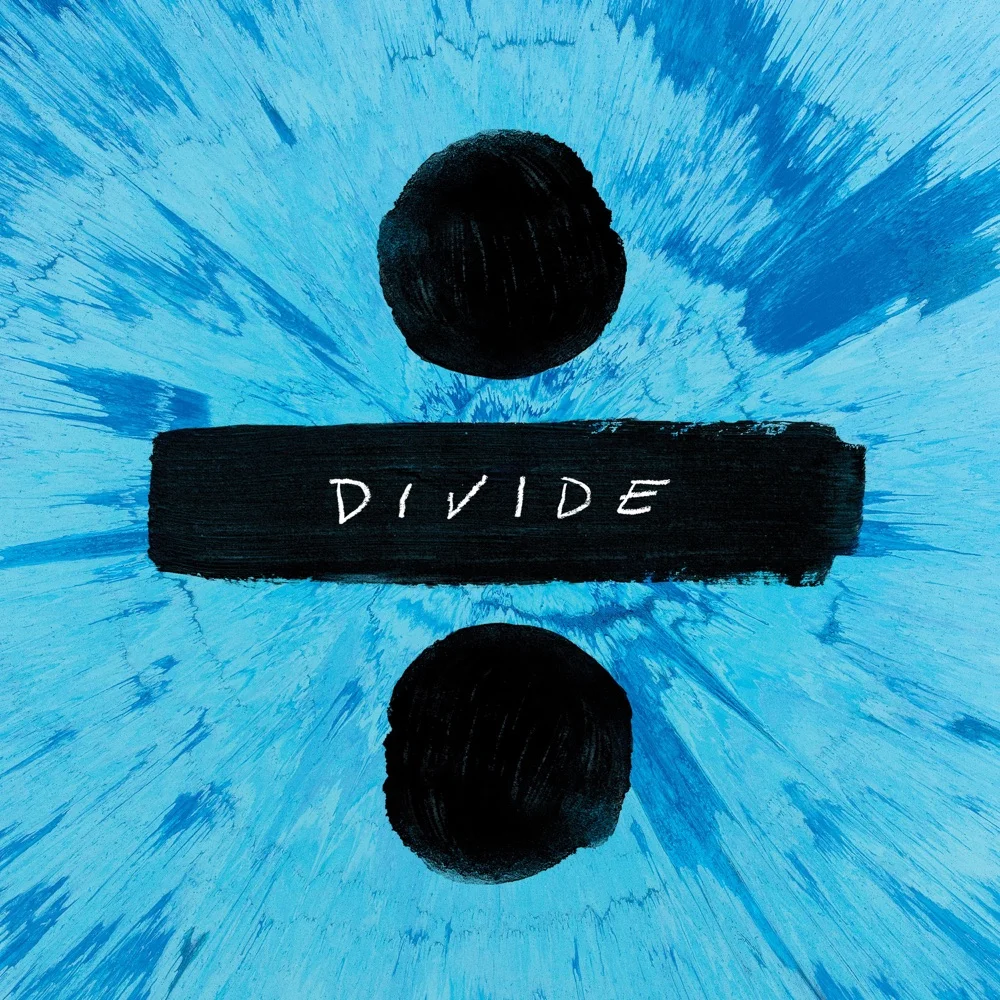
Included on the deluxe edition of Ed Sheeran's blockbuster album Divide, "Barcelona" is a high-energy track that blends pop with tropical and folk influences. Unlike his slower ballads, this song demands agility. You aren't just holding long notes; you are navigating rapid lyrical passages and sudden falsetto jumps.
To sing "Barcelona" effectively, you need to loosen up. The vibe is joyous and spontaneous. However, beneath the casual feel lies a technical challenge: maintaining breath support through fast verses while nailing the Spanish pronunciation.
Phase 1: The Rhythmic Verses (0:00 - 0:48)
The song starts with a very conversational tone. Ed stays in a comfortable mid-range here (around B3-E4). The challenge is the "patter." You need to treat the lyrics almost like a percussion instrument.
The Trap: Running out of breath before the end of a phrase. Practice taking quick, "sipping" breaths at punctuation marks so you don't disrupt the groove.
Phase 2: The Pre-Chorus & Chorus (0:48 - 1:25)
Here the melody lifts. The pre-chorus builds tension, leading into the infectious hook. Ed uses a breathy head voice (falsetto) for the "So let's pretend..." section, hitting notes around C#5.
- The Flip: You must transition from chest voice to head voice instantly. Do not push your chest voice up, or it will sound like yelling.
- Lightness: Keep the volume controlled. The chorus should feel airy and floating, not heavy.
Phase 3: The Spanish Elements
Ed weaves Spanish phrases throughout the song. Authenticity matters here. The AI Coach listens for correct vowel shapes on:
- Viva la Vida: Pronounced Vee-vah lah Vee-dah. Keep the 'i' sounds bright.
- Mi Amor: Ensure the 'r' is tapped lightly, not a hard American 'r'.
- Sangria: Emphasize the 'i' (ee) sound.