 Singing Coach AI
A Masterclass in "Loose" Vocals
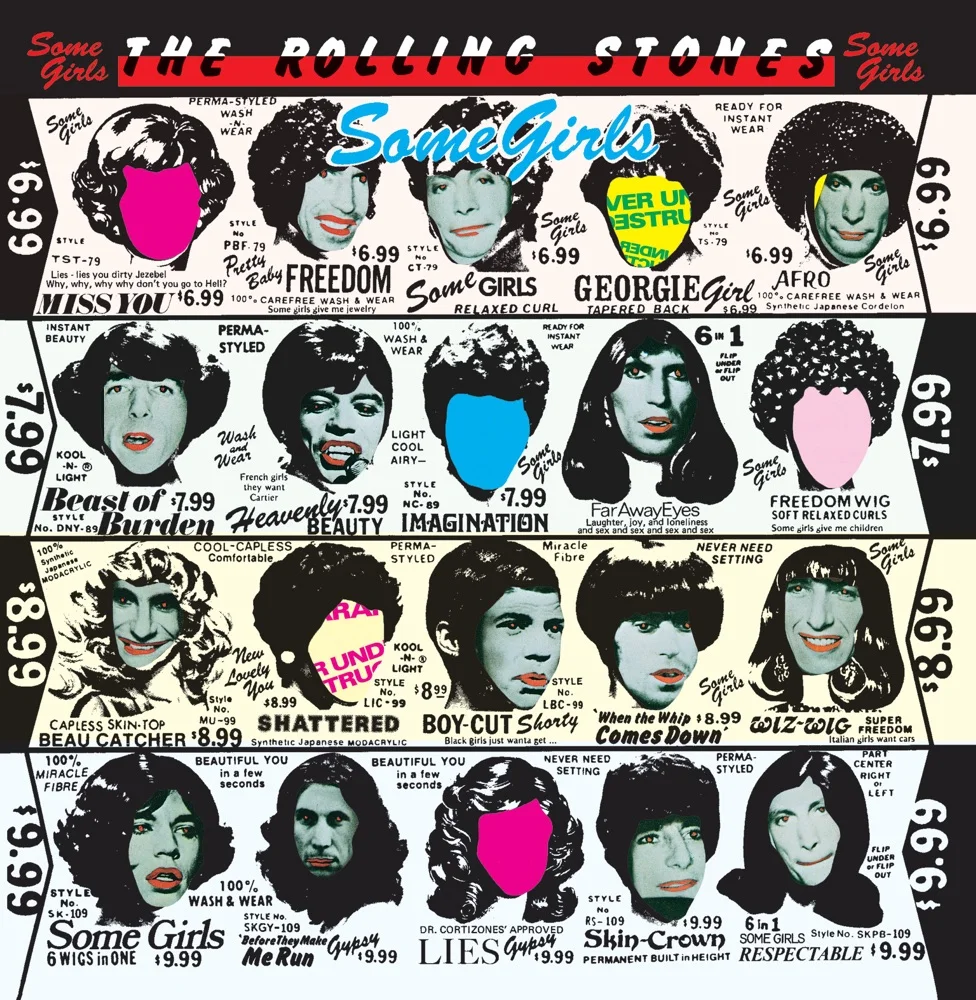
Released on the 1978 album Some Girls, "Beast of Burden" is a prime example of the Rolling Stones' shift toward a groovier, soul-influenced sound. Unlike high-energy rock anthems, this song relies entirely on feel. Mick Jagger’s performance is conversational, pleading, and intentionally imperfect.
The challenge for singers is not range—most of the notes fall comfortably within a Baritone or low Tenor tessitura—but rather the phrasing. If you sing this squarely on the beat, it sounds robotic. You need to "hang" on the vowels and drag the rhythm slightly.
Phase 1: The Verses (The Groove)
The song is in E Major. The verses are sung in a speaking register. Focus on the lyrics: "I'll never be your beast of burden." Jagger often slides into notes from below (scooping) rather than hitting them dead-on initially.
The Trap: Over-enunciating. Jagger flattens his vowels. "Pretty" becomes "Prit-eh," and "Burden" sounds more like "Buh-den." Relax your jaw and let the words slur slightly into one another.
Phase 2: The Chorus (Falsetto vs Chest)
In the chorus, the lead vocal stays in the chest/mix voice ("I've walked for miles..."), but the background harmonies jump to a falsetto B4. If you are singing solo, you can choose to flip into falsetto for the "Pretty, pretty, pretty" lines to add texture.
- Am I hard enough? This line requires a bit of grit. Add some vocal fry at the start of the phrase to emphasize the emotion.
- Rough enough? Keep this chesty and forward. Don't let it slip back into the throat.
Phase 3: The Ad-libs (Attitude)
Towards the end of the track, Jagger goes into improvisation mode. He uses short, punchy phrases mixed with longer wails. The key here is confidence. The notes hover around G#4, which is the "break" area for many male singers. Use vowel modification (turning "Ah" sounds into "Uh") to keep the larynx stable.