 Singing Coach AI
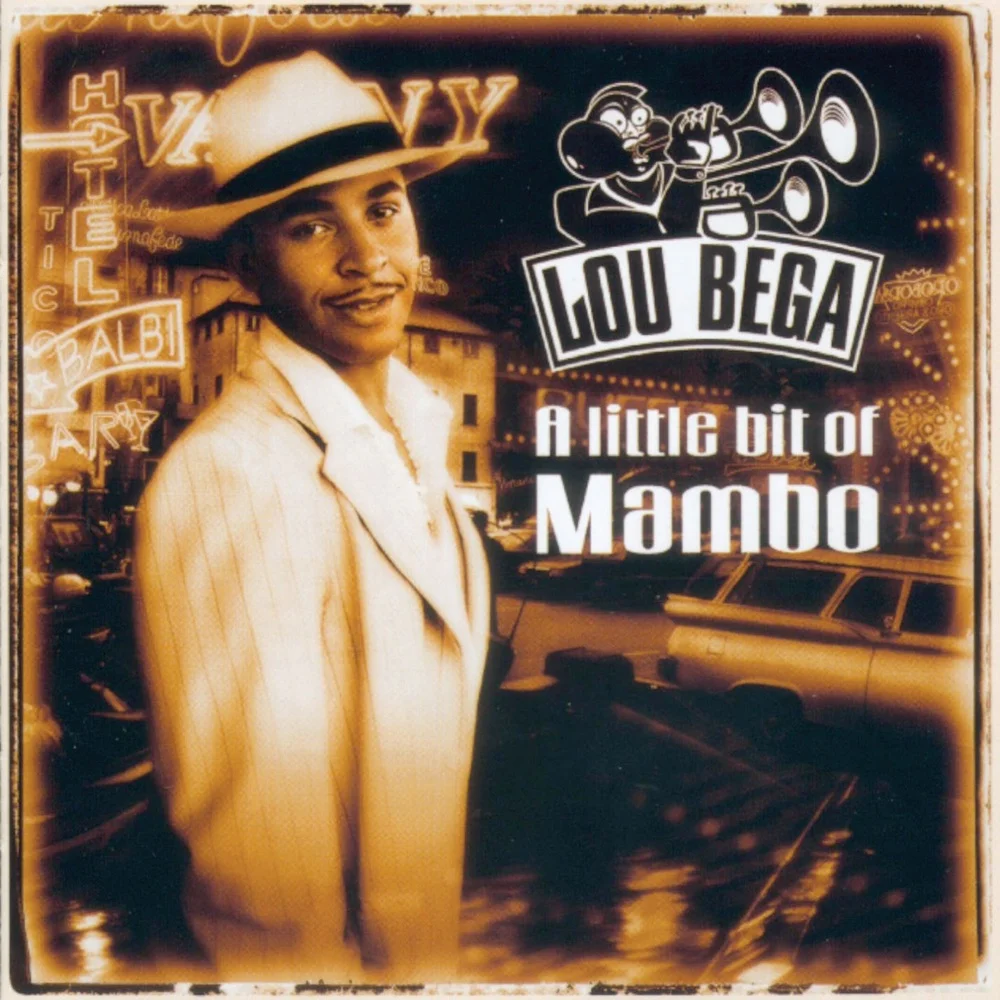
A Masterclass in Mambo Pop
"Beauty on the TV-Screen" is a standout track from Lou Bega's 1999 album A Little Bit of Mambo. While it follows the high-energy footsteps of his global hit "Mambo No. 5," this song presents its own unique challenges. It relies heavily on charisma, rapid-fire lyrical delivery, and a solid sense of "the pocket" (rhythmic timing).
To sing this well, you don't need a multi-octave range. Instead, you need the percussion of a rapper and the projection of a pop singer. The key is maintaining high energy without running out of breath during the dense verses.
Phase 1: The Spoken Verses
The song kicks off with Lou Bega's signature conversational style. He isn't singing a melody as much as he is speaking rhythmically over the beat. This technique is known as Sprechgesang (speak-singing).
The Trap: Many singers fall behind the beat here. The lyrics are dense. Practice speaking the lyrics slowly to a metronome, then gradually speed up until you can lock in with the tempo without tripping over your tongue.
Phase 2: The Melodic Chorus
When the chorus hits ("She's a beauty on the TV-screen..."), the song shifts from spoken word to a sung melody. This contrast is vital. You need to switch your placement from a conversational chest voice to a brighter, more "sung" resonance.
You want to "smile" while singing this section. Physically lifting your cheeks brightens the vocal tone, giving it that classic Mambo/Latin Pop shine that makes the chorus pop out of the speakers.
Phase 3: The Energy & Attitude
Lou Bega sells this song with confidence. If you sing this passively, it will sound flat, even if you hit the right notes. Imagine you are telling a funny story to a room full of people.
Keep your breath support engaged constantly. The lines are long, and if you lose breath support, your pitch will drop flat at the end of the phrases. Take quick "sip" breaths at every punctuation mark.