 Singing Coach AI
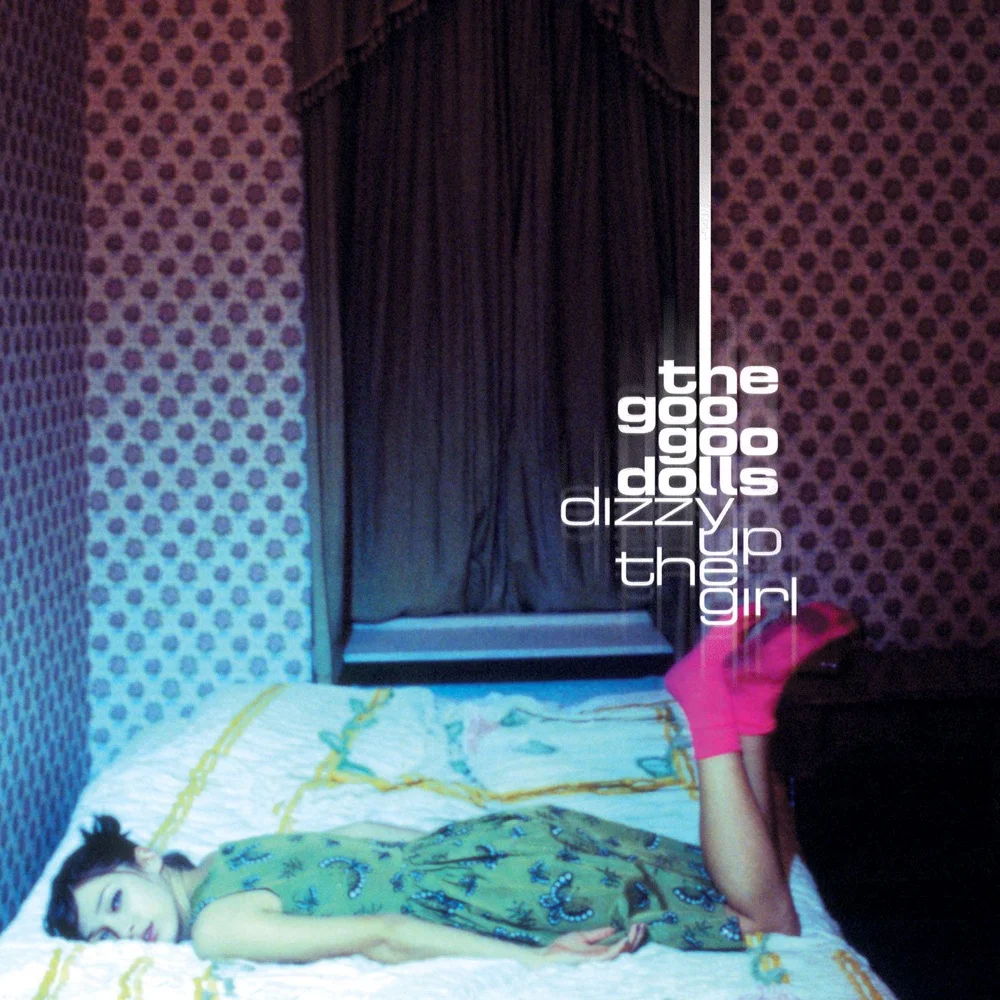
Mastering the 90s Alt-Rock Grit
"Black Balloon" is a staple of 90s alternative rock, appearing on the Goo Goo Dolls' massive album Dizzy Up the Girl. Johnny Rzeznik's vocal performance is characterized by an intimate, breathy delivery in the verses that explodes into a raspy, emotional belt in the choruses. The lyrics touch on themes of addiction and desperation, requiring a performance that feels authentic and slightly raw.
To sing this well, you need to balance breath support with textural "grit." Pushing too hard will strain your cords, while singing too cleanly will lose the emotional impact. Let's break down exactly how to tackle the song structure.
Phase 1: The Intimate Verse (0:00 - 1:04)
The song starts in a lower register (around Db3). Rzeznik uses a conversational tone here. It shouldn't sound "sung"—it should sound like he is talking to someone in the same room.
The Trap: Losing pitch accuracy because you are focusing too much on the "whispery" effect. Ensure your vocal cords are still connecting fully, just with less volume.
Phase 2: The Anthemic Chorus (1:05 - 2:15)
When the line "Comin' down the world turned over" hits, the energy shifts. You need to switch to a forward-placed chest mix. The melody climbs towards F4 and Gb4 here.
- And angels fall: This phrase requires a slide. Don't hit the notes staccato; let them blur together slightly to match the rock style.
- Won't be the same: This is where you can introduce "twang" or grit. Narrow the pharynx slightly to get that cutting sound without shouting.
Phase 3: The Bridge Intensity (2:15 - 3:00)
The bridge ("All the time, all the time...") acts as the emotional peak. The vocals here are sustained longer than in the verses. You will need strong diaphragm support to hold these notes without wobbling pitch.
The final choruses often involve ad-libs reaching up to Ab4. If you are struggling with the high notes, focus on vowel modification—narrow your vowels (turn "Ah" into "Uh") to reach higher frequencies with less strain.