 Singing Coach AI
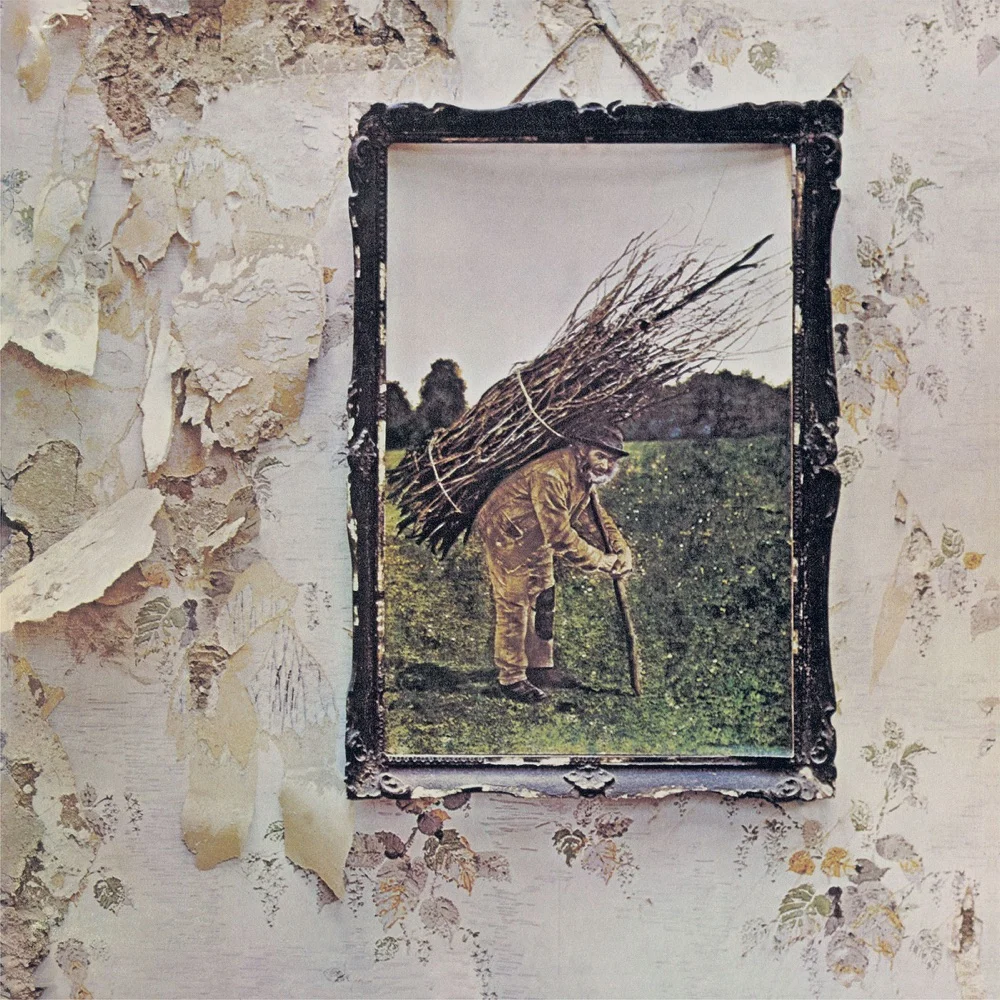
The Ultimate Call-and-Response Challenge
"Black Dog" is the opening track on Led Zeppelin IV (1971), instantly recognizable for its winding guitar riffs and Robert Plant's electrifying vocals. Unlike standard rock songs, this track features a complex call-and-response dynamic where the vocals are sung a cappella, followed by the band's instrumental riff.
To sing this well, you need more than just high notes. You need impeccable internal rhythm to stay in time when the instruments drop out, and you need a safe way to produce that classic 70s rock distortion.
Phase 1: The A Cappella "Call"
The song opens with "Hey, hey mama said the way you move..." starting around A3. This is your mid-range, but it requires attitude. You shouldn't sing this cleanly; it needs a bit of "twang" and forward placement.
The Trap: Because there is no drum beat behind you, it is easy to drift off pitch. Keep your chest resonance engaged and visualize the beat.
Phase 2: The High Belt (Ah-ah, child...)
This is where the difficulty spikes. Plant jumps up to a high A4 and eventually screams up to an E5. This section requires a "mixed voice" strategy. If you try to pull your heavy chest voice up to this E5, you will strain your throat.
- Vowel Modification: On high notes, modify your vowels to be more narrow. "Way" should sound more like "Weh" to keep the throat open.
- Support: Engage your core muscles strongly before the onset of the high note, not during it.
Phase 3: The Outro Improvisation
As the song fades, Plant showcases his blues roots with improvised ad-libs. This is the time to experiment with vocal runs and grit. The key is to keep the jaw relaxed. If your jaw tenses up, the sound will get trapped in the back of your throat.
To achieve the grit safely, try the "fry scream" technique or adding a little vocal fry to the start of the note before blooming into the clear tone. This prevents vocal cord damage.