 Singing Coach AI
Mastering the Latin Rock Groove
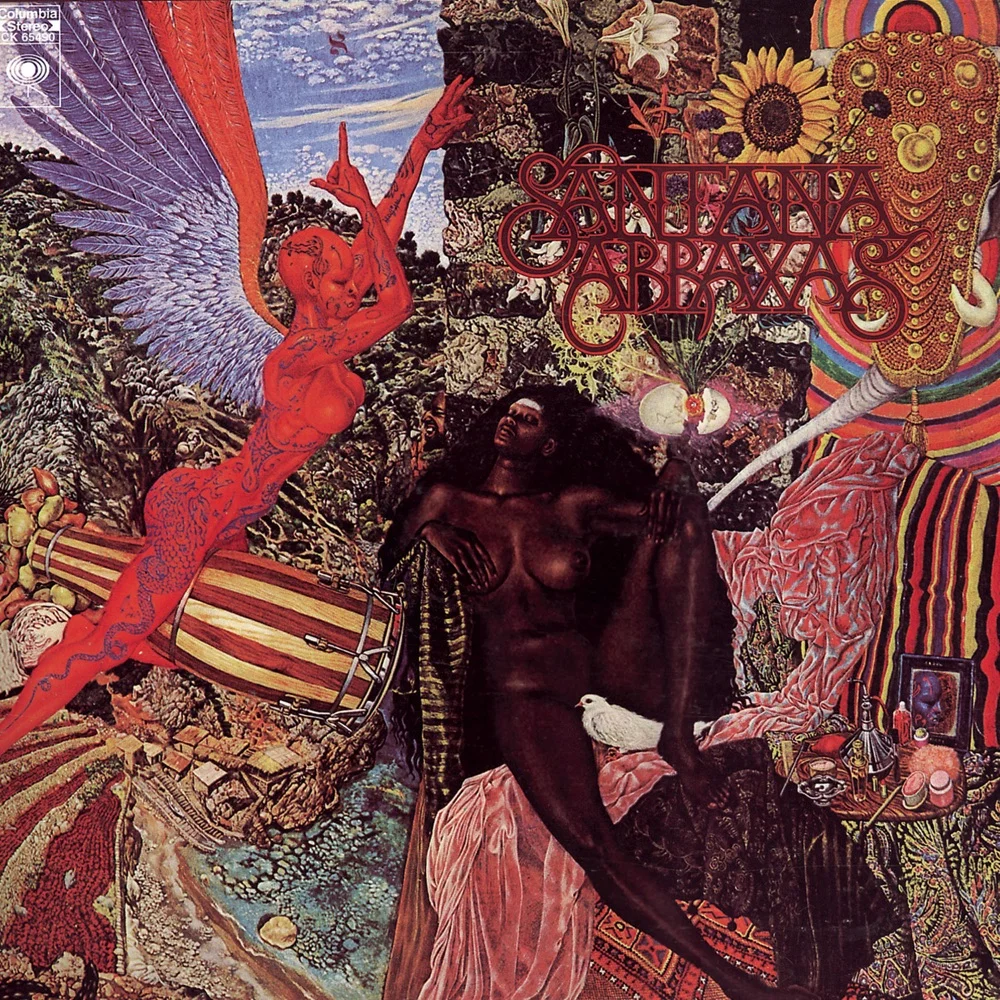
Originally written by Peter Green for Fleetwood Mac, Santana's version of Black Magic Woman from the 1970 album Abraxas became a defining track of the era. Vocally, it is a masterclass in relaxed, soulful delivery within a rock context. Unlike power ballads that demand high belts, this song requires a smooth mid-range tone and excellent rhythmic pocket.
To sing this well, you need to channel the blues. The vocal melody sits comfortably in the D Minor scale, but the challenge lies in the "sustain"—holding the notes with enough power to match the organ and guitar without shouting.
Phase 1: The Verse (Entry)
The song begins with a long instrumental build-up. When the vocals enter, they are in the mid-baritone range. The delivery should be legato—smooth and connected.
The Trap: Dropping the energy on the lower notes. Ensure you have good breath support so the end of phrases like "so blind I can't see" don't fade away into a mumble. Keep the resonance in the chest.
Phase 2: The Highs (The "Belt")
While not an operatic song, the chorus ("Don't turn your back on me baby") climbs to a G4. This is the top of the chest register for many untrained Baritones.
- Don't Turn: Attack this note with confidence. If you hesitate, you will sound flat.
- Baby: Use a warm vibrato on the sustained note here. It mimics the sustain of Carlos Santana's guitar.
- Vowel Modification: On higher notes, modify "back" slightly towards "beck" to keep the throat open and avoid a nasal sound.
Phase 3: The Transition
The song transitions into "Gypsy Queen" (the instrumental outro). As a vocalist, your job finishes around the 3:30 mark, but your final notes need to trail off cleanly into the instrumental jam. Do not cut the final "you" short; fade it out dynamically.