 Singing Coach AI
The Ultimate Country Ballad
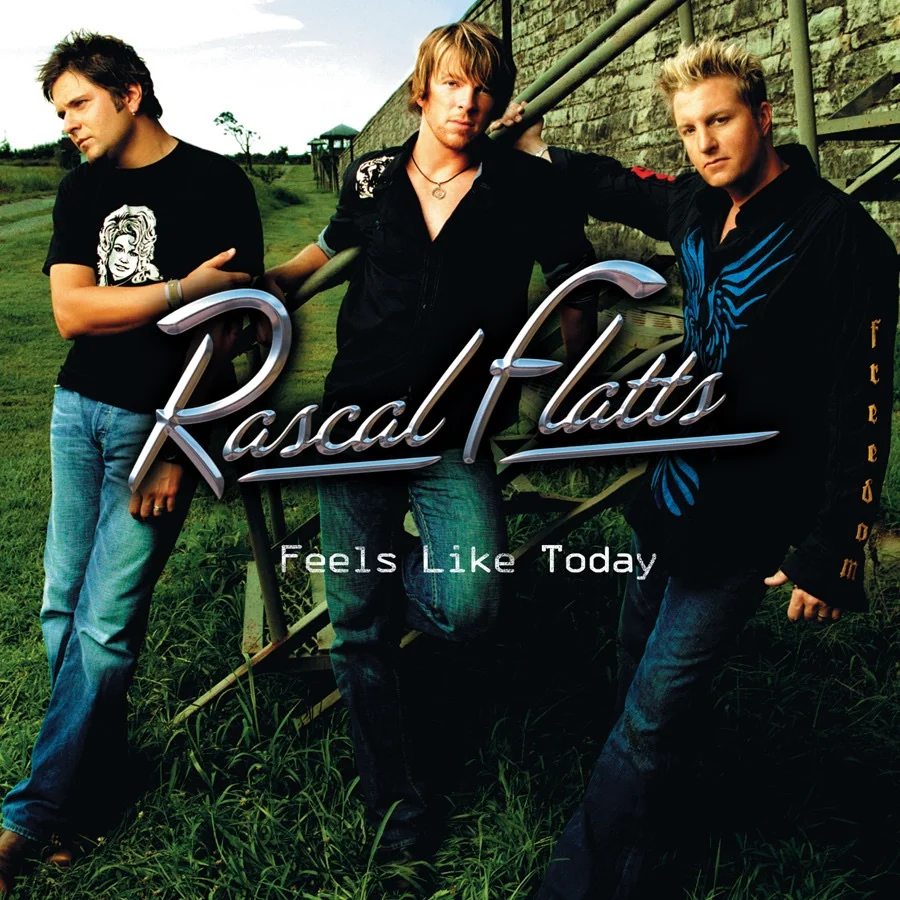
Released on the 2004 album Feels Like Today, "Bless the Broken Road" became a career-defining hit for Rascal Flatts. The vocal performance by Gary LeVox is a masterclass in controlled dynamics and emotive storytelling. The song flows beautifully in C Major but challenges singers with its wide range and stylistic embellishments.
To sing this well, you need to balance a conversational chest voice with a powerful, soaring mix for the choruses. It's not just about hitting the notes; it's about the "ache" in the voice that defines the genre. Let's break down exactly how to tackle it, section by section.
Phase 1: The Verse (0:00 - 0:54)
The song begins comfortably in the lower range. The line "I set out on a narrow way" should be sung with a warm, chest-dominant resonance. Do not push the volume here.
The Trap: Singers often rush the phrasing. The beauty of this song lies in its relaxed, laid-back tempo. Focus on clear diction, particularly on the consonants at the end of words.
Phase 2: The Chorus (0:54 - 1:40)
The melody lifts here. As you approach "God blessed the broken road," you need to lighten your vocal mass. If you carry too much "weight" from the verse up to these notes, you will sound flat.
- Breath Support: Engage your core before the lift to ensure a steady stream of air.
- The "Cry": LeVox uses a technique often called a "vocal cry" or "sob" to thin out the vocal cords, making the high notes sound emotional rather than shouted.
Phase 3: The Bridge & Climax (2:25 - 3:00)
This is the vocal peak. The bridge builds tension leading into the final chorus. The ad-libs and runs here are distinctly pentatonic. The highest belted note typically hits around A4.
To hit this safely, use "twang." This doesn't mean sounding nasal, but rather focusing the sound forward in the "mask" of your face. This helps cut through the mix without damaging your vocal cords.