 Singing Coach AI
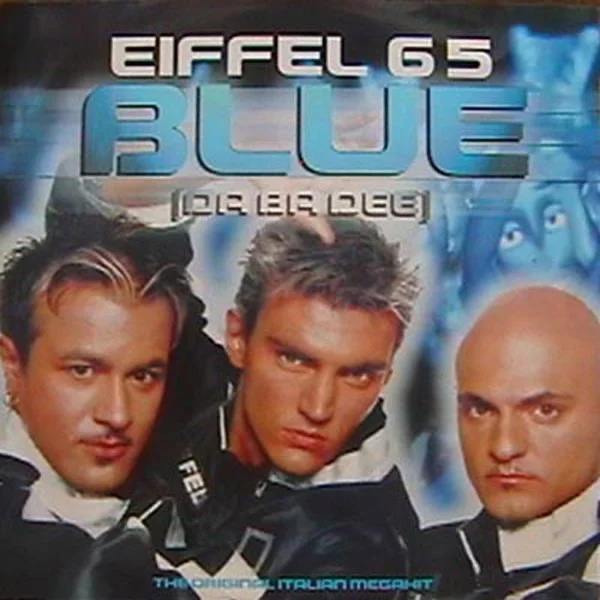
The Anthem of Eurodance
Blue (Da Ba Dee) is a defining track of the late 90s. While it sounds simple, singing it effectively requires a very specific approach to rhythm and tone. Unlike rock or soul ballads, this song demands a robotic, consistent delivery to match the electronic production.
The vocals are heavily processed in the original recording (an early precursor to the heavy Auto-Tune sound). To sing this well acoustically, you need to strip away the vibrato and focus on hitting the notes with laser precision in the center of the pitch.
Phase 1: The Intro & Spoken Word
The song starts with "Yo, listen up..." This section sits in a spoken-word register but still follows the musical grid. You aren't just talking; you are percussion.
The Trap: Many singers rush this part. You must sit "in the pocket" of the beat. Don't anticipate the snare drum; land exactly on it.
Phase 2: The Hook (Da Ba Dee)
The chorus is iconic. It follows a G Minor melody line that jumps between G, Bb, and F. The challenge here is the repetition. It is easy to go flat as you repeat the "Da Ba Dee" phrase over and over.
- Breath Support: You don't have much time to breathe between the phrases. Take quick "sips" of air rather than deep gulps.
- Tone: Keep the sound forward in your "mask" (the front of your face/nose). This nasal quality mimics the synthesizer and helps you cut through the mix.
Phase 3: The Story Verses
"I have a blue house with a blue window..." These lyrics are delivered rapidly. This is a stamina test. The note range isn't wide, hovering mostly around G3 and Bb3, but the cadence is relentless.
Practice the verses at 0.75x speed in the app first. Ensure you are pronouncing every word of "Blue little window and a blue corvette" before speeding it back up to full tempo.