 Singing Coach AI
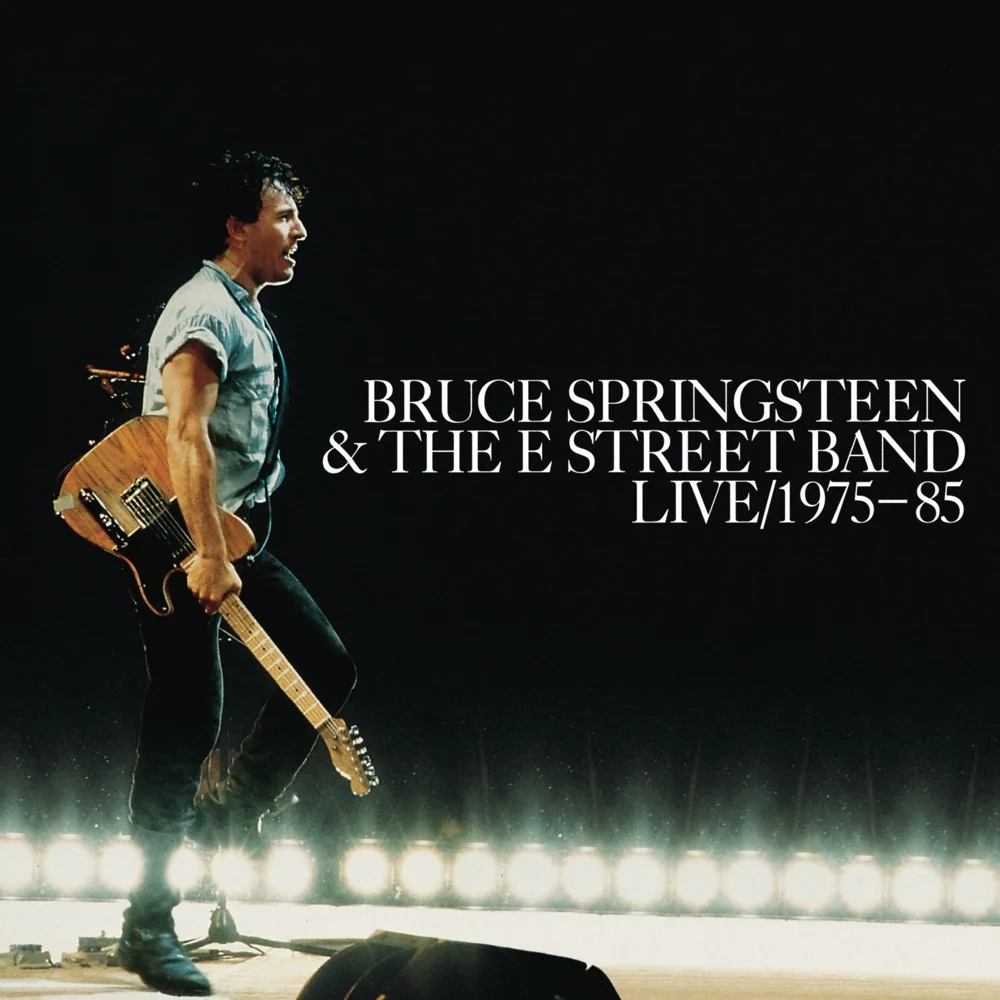
The Ultimate Heartland Rock Anthem
Bruce Springsteen's "Born in the U.S.A." is often misconstrued as simple, but vocally, it is a complex display of raw emotion and controlled aggression. Released in 1984, the track requires a singer to balance the narrative storytelling of the verses with the explosive, anthem-like quality of the chorus.
To sing this authenticially, you need to channel "The Boss." This means engaging your diaphragm for maximum support and using the hard palate to create that signature bright, cutting tone that soars over the synthesizers and drums.
Phase 1: The Narrative Verses (0:00 - 1:12)
The verses ("Born down in a dead man's town") are sung in a lower chest register. They require a percussive, almost speech-like delivery. The rhythm is strict, but the pitch can slide slightly to emphasize the weariness in the lyrics.
The Trap: Don't mumble. Even though it's gritty, the consonants need to be sharp to cut through the mix. Focus on the 'B's and 'D's.
Phase 2: The Anthem Chorus
The chorus is pure power. It sits high in the chest voice, hovering around B3 and B4. You must open your mouth vertically (drop your jaw) to allow the sound to resonate fully.
- Vowel Modification: On the word "USA," modify the 'A' sound towards 'Ah' to avoid pinching the sound on the high notes.
- Volume: This needs to be loud, but supported. Think of shouting across a football field, using your stomach muscles to push the air.
Phase 3: The Outro and Ad-libs
As the song progresses towards the end, Bruce unleashes a series of high-pitched screams and ad-libs that reach up to E5. This is the stamina test.
Do not attempt these screams without proper warm-up. Use "twang" and a high tongue position to protect your cords while achieving that piercing rock sound.