 Singing Coach AI
The Dark Side of the Vocal Cords
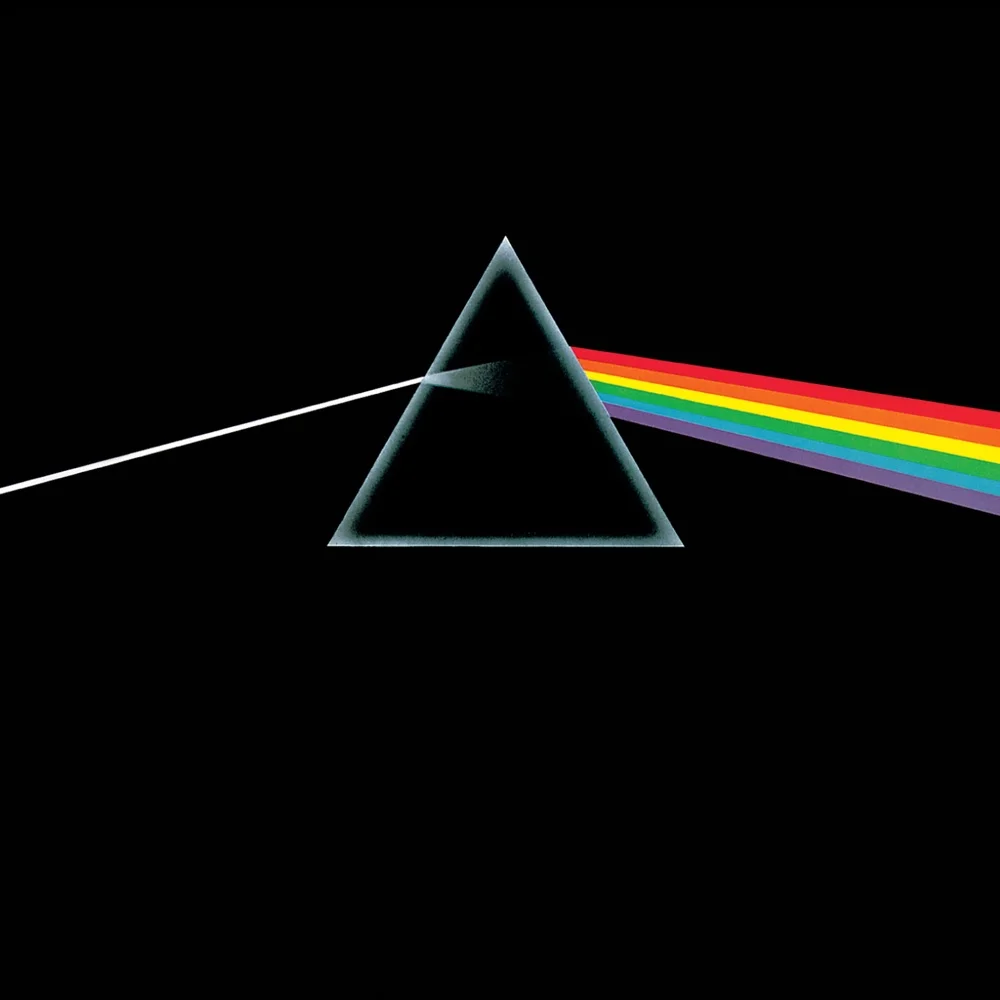
"Brain Damage" is the penultimate track on Pink Floyd's 1973 masterpiece, The Dark Side of the Moon. Sung by Roger Waters, the vocal performance is less about acrobatic range and more about eerie, cynical storytelling. It sits comfortably in a Baritone range (D3 to E4), making it accessible for most male singers, but capturing the "lunacy" in the tone is the real challenge.
Unlike power ballads, this song requires restraint. You need to sound detached yet paranoid. Let's look at how to navigate the verses and the swelling chorus.
Phase 1: The Verses (The Lunatic)
The verses ("The lunatic is on the grass...") are sung almost conversationally. The pitch hovers around D3 and F#3.
The Trap: Because the notes are low and simple, singers tend to go flat or lose energy. Keep your soft palate lifted and maintain a "speech-level" singing approach. Do not push air; let the microphone do the work. The vibe should be intimate and slightly unsettling.
Phase 2: The Chorus (The Dam Breaks)
The song lifts dynamically at "And if the dam breaks open many years too soon." Here, you need to brighten your tone.
- Resonance: Shift your resonance from the mouth to the mask (nose/cheekbones) to get that brighter sound on "soon" and "moon."
- Breath Control: The phrases are longer here. Take a solid diaphragm breath before "And if the cloud bursts..." to avoid chopping the line.
- The High Note: The melody peaks at E4. For Tenors, this is easy. For Baritones, ensure you don't yell it. Keep it mixed.
Phase 3: The Harmonies & Laughter
The "Ooh" backing vocals and the gospel-tinged harmonies are essential to the track's texture. In the Singing Coach app, you can practice the falsetto backing track separately from the lead.
And yes, the song ends with maniacal laughter. While pitchless, the timing of the laughter is part of the rhythmic structure. The AI tracks the rhythmic onset of these non-melodic elements.