 Singing Coach AI
Polished Pop Precision
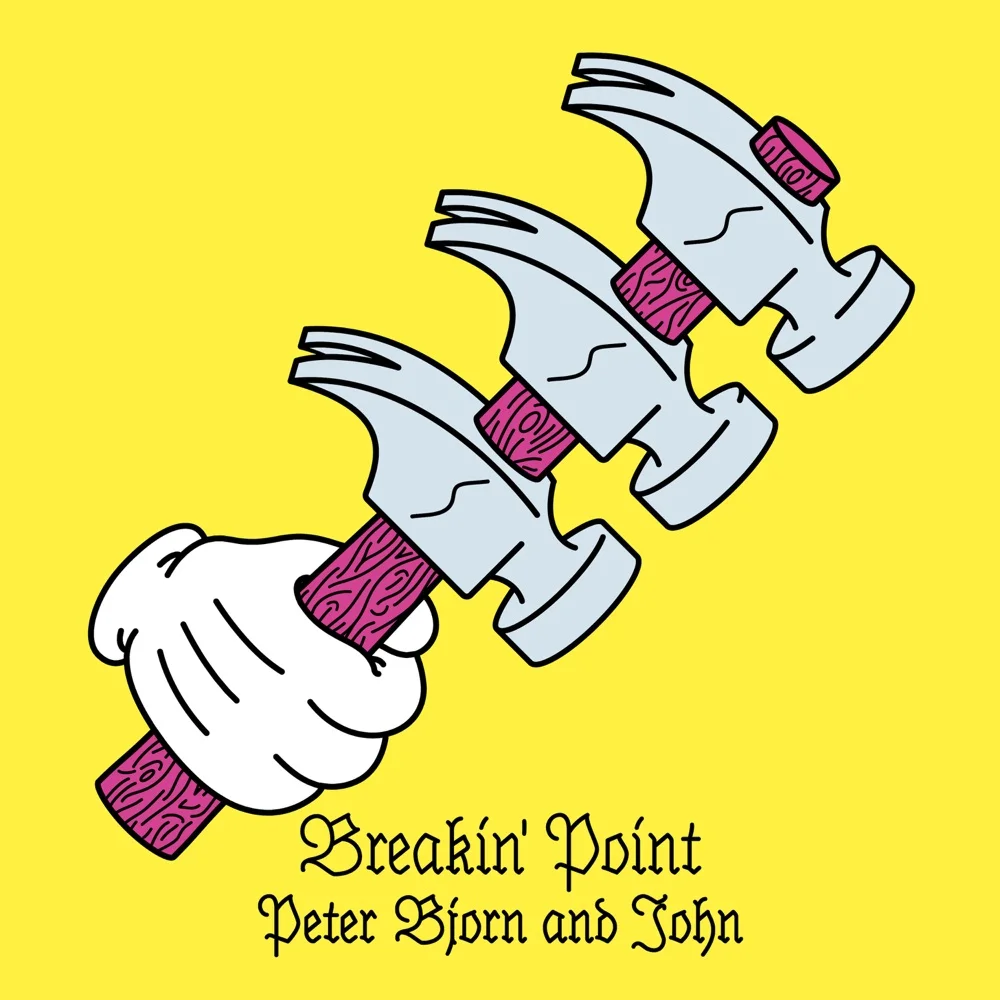
Breakin’ Point marks a pivotal moment for Peter Bjorn and John, moving away from lo-fi indie roots toward high-gloss pop production. For a singer, this song presents a unique challenge: sounding effortless while maintaining strict rhythmic discipline. The track relies heavily on the interplay between a dry, close-mic’d vocal in the verses and a more expansive, layered sound in the chorus.
Unlike power ballads that allow for loose timing, Breakin’ Point requires you to be "in the pocket." The melody is catchy but moves quickly, demanding agility in your mid-range.
Phase 1: The Verses (Mid-Range Control)
The song starts in a comfortable speaking range for most Tenors. The key here is tone placement. You want a "forward" placement—imagine vibrating the mask of your face—to get that indie-pop brightness without straining.
The Trap: Because the verses feel casual, it's easy to go flat at the end of phrases. Keep your breath support engaged even when singing quietly to maintain pitch stability.
Phase 2: The Chorus (The Hook)
When the chorus hits ("Waiting for the breakin' point"), the melody lifts. Depending on your voice type, you have two options here:
- Head Voice Mix: For a lighter, sweeter sound that matches the record, use a head-dominant mix. This requires less air pressure but more focus.
- Chest Belt: If you want to add more rock energy, you can belt these notes (G#4), but be careful not to shout. Keep the throat open.
Phase 3: The Melodic Intervals
The melody often jumps intervals unexpectedly. This is characteristic of Peter Bjorn and John's songwriting. Practice the intervals slowly on a "Nu" or "Mum" sound before adding the lyrics back in. This ensures you are hitting the center of the pitch rather than sliding up to it.