 Singing Coach AI
A Masterclass in Low-Note Control
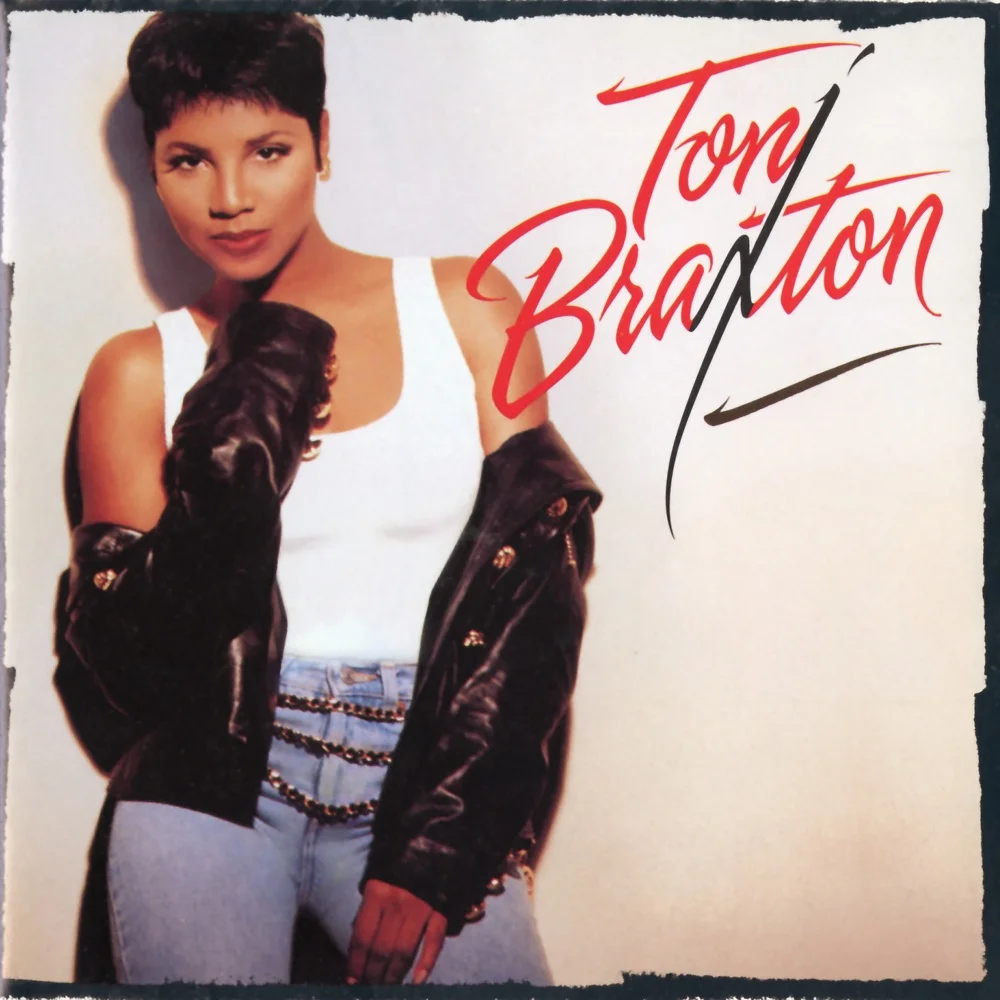
Released in 1993, Toni Braxton's "Breathe Again" is the definitive 90s R&B ballad. Written by Babyface, the song is less about hitting the high notes and more about the richness, texture, and control of the lower female register (contralto). It requires a voice that can be simultaneously powerful and whisper-soft.
To sing this well, you must resist the urge to "push" the low notes. The magic lies in a relaxed larynx and consistent airflow. Let's break down exactly how to tackle this sultry classic.
Phase 1: The Verses (The Lows)
The song starts deep in the chest voice. The challenge here is clarity. Notes this low can easily become "muddy" or turn into vocal fry.
The Technique: Use a breathy onset, but support it from your diaphragm. You want the sound to be airy but not weak. Focus on the vowels—keep them dark and round to mimic Toni's signature tone.
Phase 2: The Chorus (The Lift)
The chorus ("If I never feel you in my arms again...") lifts out of the basement but remains in a comfortable middle range. The difficulty here is phrasing.
- Breath Support: The phrases are long. You need to manage your air so you aren't gasping in the middle of a line.
- Dynamics: Don't belt the chorus immediately. It should feel like a pleading cry, not a shout. Save the volume for the bridge.
Phase 3: The Bridge (Emotional Peak)
The intensity builds. Toni introduces more vocal runs and ad-libs. This is where you can add a bit more "edge" to your voice to convey the heartbreak.
Pay attention to the transitions between your chest voice and your mix. The song demands a seamless glide rather than a hard break.