 Singing Coach AI
The Art of the Conversational Duet
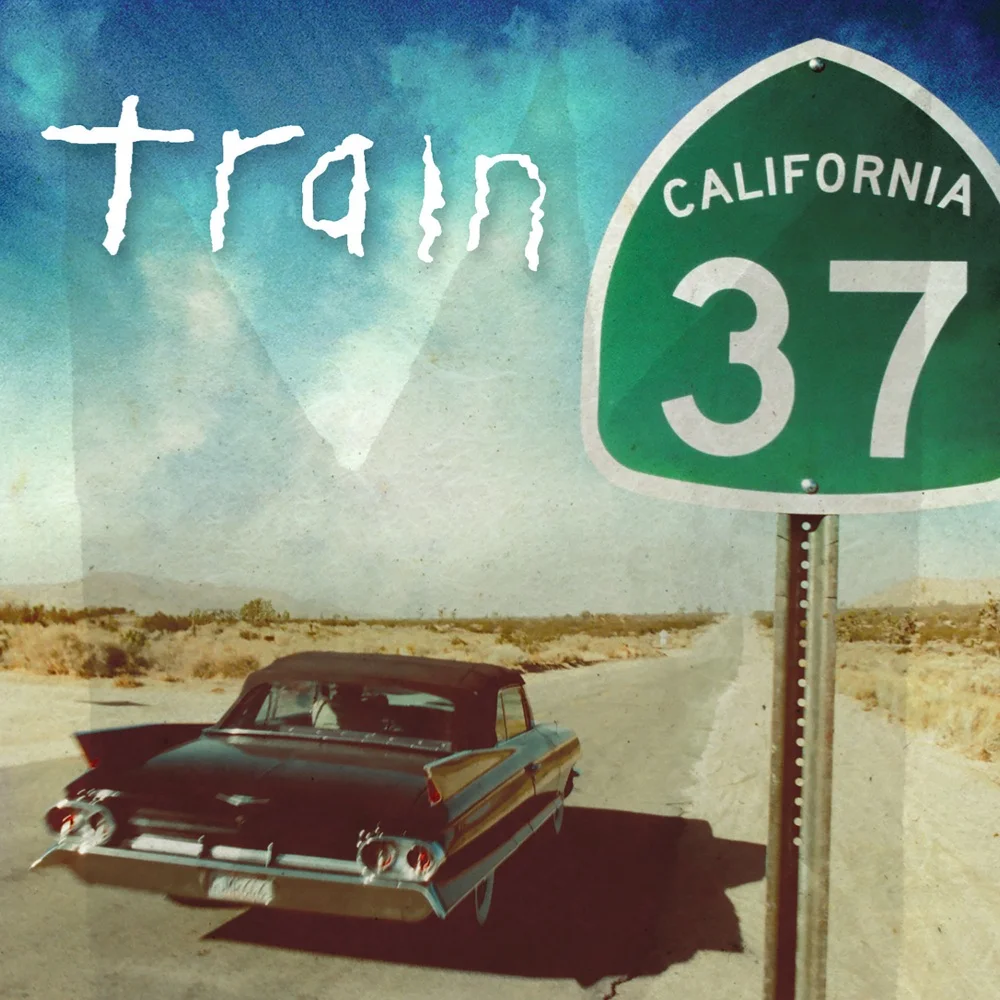
From Train's album California 37, "Bruises" captures the nostalgia of running into an old high school friend. The vocal performance is deceptively simple; while it doesn't require operatic range, it demands impeccable timing and emotional authenticity.
Pat Monahan and Ashley Monroe weave a story that feels like a real conversation. To sing this effectively, you must balance the "spoken" quality of the verses with the melodic lift of the chorus. Let's break down the vocal strategy for this track.
Phase 1: The Verses (Conversational Tone)
The song starts in E Major. Pat Monahan's entry is relaxed, sitting in a mid-range chest voice. The challenge is the rapid-fire lyrics. You need to articulate consonants clearly without losing the musicality.
The Trap: Singers often run out of breath because they don't plan their inhales between the quick lines. Mark your breath points before you start singing.
Phase 2: The Chorus Harmony
When Ashley Monroe enters (or when you sing the harmony), the difficulty increases. The chorus requires blending. If you are singing the harmony, you are typically a third above the melody.
- Tone Blend: Ashley uses a bright, country-influenced mix. It shouldn't be too breathy, but it needs a lighter texture than the lead vocal.
- Pitch Accuracy: The intervals in "These bruises make for better conversation" move stepwise. Focus on the E Major scale to stay in key.
Phase 3: The Bridge Dynamics (2:35 - 3:00)
The bridge is the emotional peak. The instrumentation drops out slightly, and the vocals become more intimate before building back up. The line "These bruises make for better conversation" is repeated with growing intensity.
Start this section softly (mezzo-piano) and gradually add chest resonance (volume and weight) as the drums kick back in for the final chorus. This dynamic contrast creates the song's emotional arc.