 Singing Coach AI
The Defining R&B Ballad of the 2000s
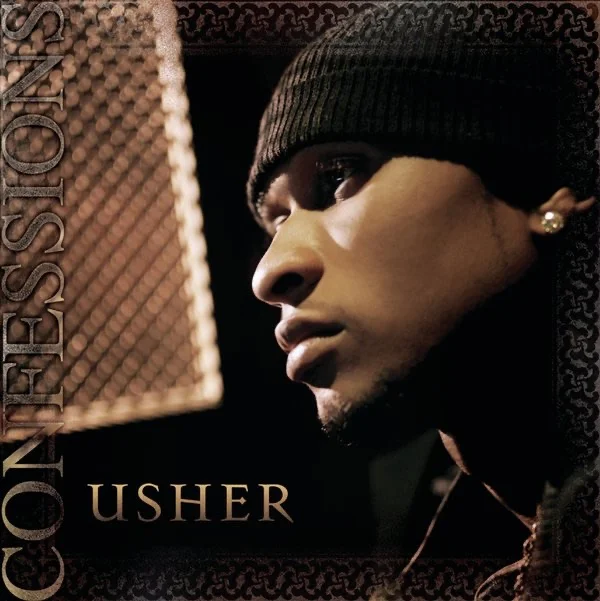
"Burn" by Usher is a masterclass in vocal control and emotional delivery. Released on the monumental Confessions album, this track requires a singer to navigate the "passaggio" (the break between chest and head voice) seamlessly. The song structure is standard R&B, but the vocal acrobatics make it a heavy hitter.
To sing this well, you need more than just range; you need nuance. The verses are conversational, the pre-chorus builds tension, and the hook relies on a delicate falsetto that must not sound weak. Let's break down the technique.
Phase 1: The Verses (Low & Smooth)
The song starts in a comfortable mid-range (F3 - Ab3). The challenge here isn't pitch, but groove. You need to sit slightly behind the beat to capture that laid-back R&B feel.
The Trap: Don't sing the verses too loudly. Usher keeps the volume low to draw the listener in. Think of it as a secret you are whispering to a friend.
Phase 2: The Chorus (The Falsetto Flip)
The hook is iconic. When singing "Let it burn," you must switch to head voice or falsetto. The note isn't excessively high, but it requires a "crying" tone quality.
- Let it burn: Keep the jaw loose. If you tighten your jaw, the falsetto will sound thin and screechy.
- Gotta let it burn: Focus on the downward run (melisma). Practice these five notes slowly on a piano before speeding them up.
Phase 3: The Bridge & Ad-libs
This is the climax. The background vocals create a wall of sound, and the lead vocal jumps up to a belted B♭4 and eventually falsetto ad-libs reaching up to C6.
To hit the high belt on "I twist and turn," use forward placement (feel the vibration in your mask/nose area) rather than pushing from the throat. This allows you to project power without strain.