 Singing Coach AI
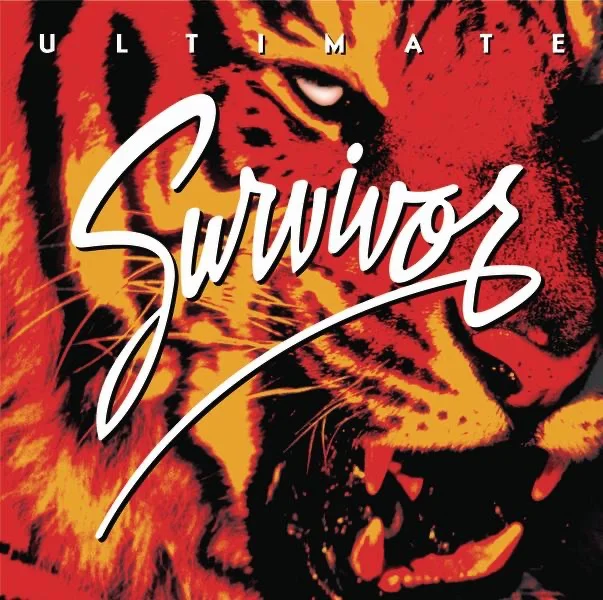
The "Rocky IV" Vocal Marathon
Burning Heart is the epitome of 80s rock power. Released by Survivor for the soundtrack of Rocky IV, this track features the incredible vocal prowess of Jimi Jamison. It captures the tension of East vs. West with a driving rhythm and soaring high notes that demand serious stamina.
To sing this well, you need more than just range; you need endurance. The song stays high in the tessitura for long periods, requiring excellent breath support and forward placement to avoid blowing out your voice before the final chorus.
Phase 1: The Narrative Verses (0:00 - 1:04)
The song begins in C Minor with a sense of foreboding. The lines "Two worlds collide / Rival nations" sit in a comfortable mid-range (C3-G4). The goal here is storytelling. Use a chest-dominant mix but keep it light enough to allow for the build-up.
The Trap: Don't use all your volume here. If you push too hard on the verses, you will have no headroom left for the explosive chorus.
Phase 2: The Pre-Chorus Climb
The section "Is it East or West..." acts as a ramp. The pitch rises, and the instrumentation builds. You need to start thinning out your chest voice and introducing more "twang" or pharyngeal resonance. This helps you cut through the guitars without straining.
Phase 3: The Chorus Belt
This is the challenge. "In the burning heart / Just about to burst" requires hitting and sustaining high notes up to C5. Jimi Jamison’s technique here is flawless—he uses a bright, forward tone (mask resonance) which makes the notes sound massive without requiring excessive air pressure.
- "Burning Heart": The word "Heart" is the peak. Open your mouth vertically (drop the jaw) rather than spreading it wide to create a resonant space.
- Grit & Distortion: To get that rock grit, engage the false cords slightly, but only after you have secured the clean pitch.