 Singing Coach AI
A Study in Theatrical Dynamics
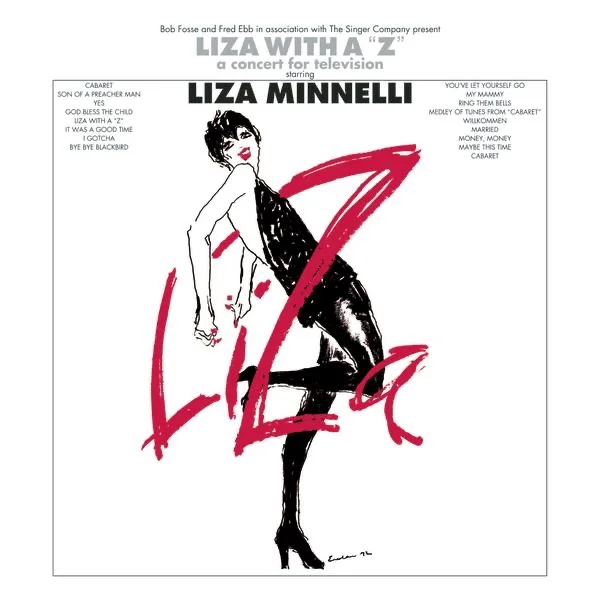
Liza Minnelli's rendition of Bye Bye Blackbird—specifically the version made famous in the concert film Liza with a Z—is less about hitting perfect notes and more about "selling" the song. It is a quintessential example of the "Fosse style" translated into vocals: precise, rhythmic, and explosive.
The song structure follows a dramatic arc. It begins with a near-whisper, conversational tone, and builds steadily into a powerhouse belt. To score high on this track in Singing Coach AI, you need to master this dynamic contrast. Singing the whole song at full volume will result in a low "Interpretation" score.
Phase 1: The Setup (0:00 - 1:15)
The opening requires a forward, chest-dominant speaking voice. You are sitting in the G3-C4 range. Keep the volume at a piano or mezzo-piano level.
The Trap: Many singers try to add too much vibrato too early. Keep the tone straight and dry in the beginning. Think of it as telling a secret to someone sitting right next to you.
Phase 2: The Build (1:15 - 2:45)
As the tempo picks up and the band kicks in, you need to brighten your tone. Start introducing a wider vibrato on sustained notes like "understand me."
- "No one here can love and understand me": Open up your vowels. Drop your jaw. You are moving from a conversational tone to a performance tone.
- "Hard luck stories": Use a "cry" in your voice (a slight tilt of the thyroid cartilage) to access your mix voice safely as the melody climbs.
Phase 3: The Showstopper Finale (2:45 - End)
This is where the song enters legendary territory. The energy must be 100%. The final refrain repeats with higher intensity, culminating in sustained belted notes around C5 and D5.
For the final "Blackbird, bye bye!", you need excellent breath support. Engage your core (the epigastrium) before the onset of the note. Do not squeeze the throat; keep the sensation of the sound "forward" in the mask of your face (the 'twang' strategy) to project over the band without blowing out your vocal cords.