 Singing Coach AI
The Defining Track of Y2K Pop
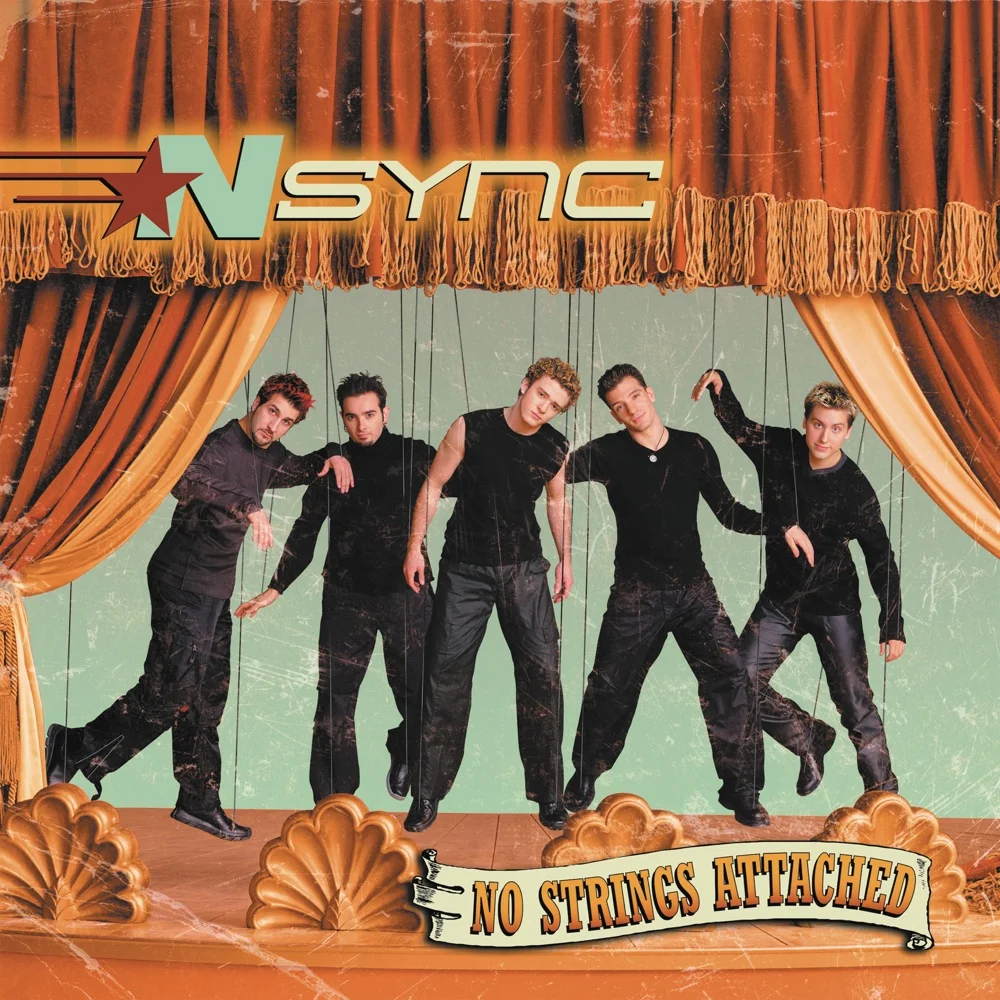
Released in 2000 as the lead single from *No Strings Attached*, "Bye Bye Bye" is a masterclass in Max Martin-style pop production. It combines aggressive, staccato verses with a soaring, melodic chorus. Unlike ballads, this song requires a percussive vocal attack—you are acting as a rhythmic instrument as much as a melodic one.
Singing this track requires high stamina. The challenge isn't just hitting the notes, but maintaining the energy and "bright" tonal quality while navigating the rapid-fire lyrics. Let's break it down.
Phase 1: The Staccato Verses
The verses ("I'm doin' this tonight, you're probably gonna start a fight") sit in a lower, comfortable range for Tenors (around G#3). The key here is attitude.
The Technique: Don't sustain the notes. Sing them short and detached (staccato). Use a bit of vocal fry at the start of phrases to emulate that signature boy band "growl" without hurting your throat.
Phase 2: The Pre-Chorus Climb
As you move into "I know that I can't take no more," the melody smooths out. You need to switch from the choppy verse style to a more legato (smooth) delivery. This builds the tension needed for the chorus drop.
- Breath Control: Take a deep breath before "It ain't no lie." You need full lung capacity to hit the chorus with power.
- Resonance: Shift your resonance forward into the "mask" of your face. This prepares you for the higher notes coming up.
Phase 3: The Power Chorus
The chorus is high energy. The line "Baby, bye bye bye" hits a G#4 with a lot of force. To sing this safely, you need "twang."
Think of a "nya-nya" playground taunt sound. This narrows the epiglottis and allows you to sound loud and bright without pushing too much air, which protects your vocal cords during those high belts. Keep your cheeks raised (smile slightly) to brighten the tone.