 Singing Coach AI
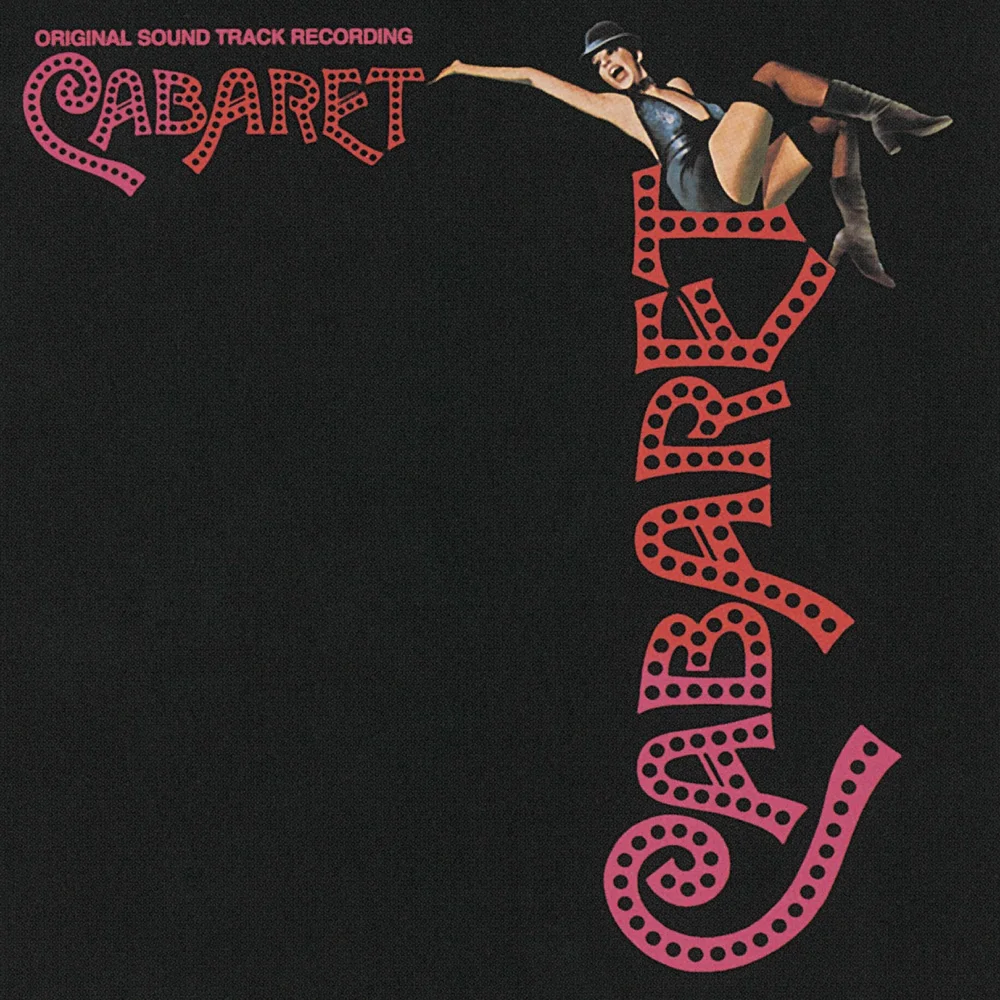
The Ultimate Torch Song
Cabaret isn't just a song; it's a mental breakdown happening in real-time. Written by Kander and Ebb for the 1966 musical and immortalized by Liza Minnelli in the 1972 film, this title track is the defining moment for the character Sally Bowles. It requires a unique blend of vocal power and desperate, manic acting.
To sing this well, you cannot focus purely on "pretty" singing. The song starts conversational and intimate, inviting the listener in, before exploding into a defiant, brassy anthem. Let's break down exactly how to tackle the dynamics and that famous final note.
Phase 1: The Verse (0:00 - 1:15)
The song begins in F Major. The opening lines, "What good is sitting alone in your room?" sit low in the chest voice (G3-A3). The challenge here is diction and character. It should be almost spoken (Sprechstimme).
The Trap: Many singers rush the tempo here. Liza takes her time, using rubato (robbed time) to emphasize words like "chum" and "holiday." Keep your larynx neutral and your volume at a 3/10.
Phase 2: The Build (1:15 - 2:45)
As the song progresses, the instrumentation thickens. You need to start lifting your soft palate to create more space. The lyrics "Come taste the wine, come hear the band" should have a brighter, "smiley" tone.
- Placement: Move the resonance from your chest to your "mask" (the front of your face/nose area) to get that brassy Broadway sound.
- Elsie: The story about Elsie requires distinct character voices. Make sure the audience feels the tragedy hidden in the upbeat tempo.
Phase 3: The Money Note (2:45 - End)
This is the climax. The key modulates, driving the energy upward. The final sustained "Cabaret" ends on a powerful belt.
For the final C5 (High C), you need serious breath support. Engage your core (the epigastrium) before you attack the note. Liza often uses a wide vibrato at the tail end of the note. To achieve this safely, ensure you aren't jutting your jaw forward. Keep the vowel open (closer to "Ah" than "Ay") to prevent strain.