 Singing Coach AI
The Art of Melodic Storytelling
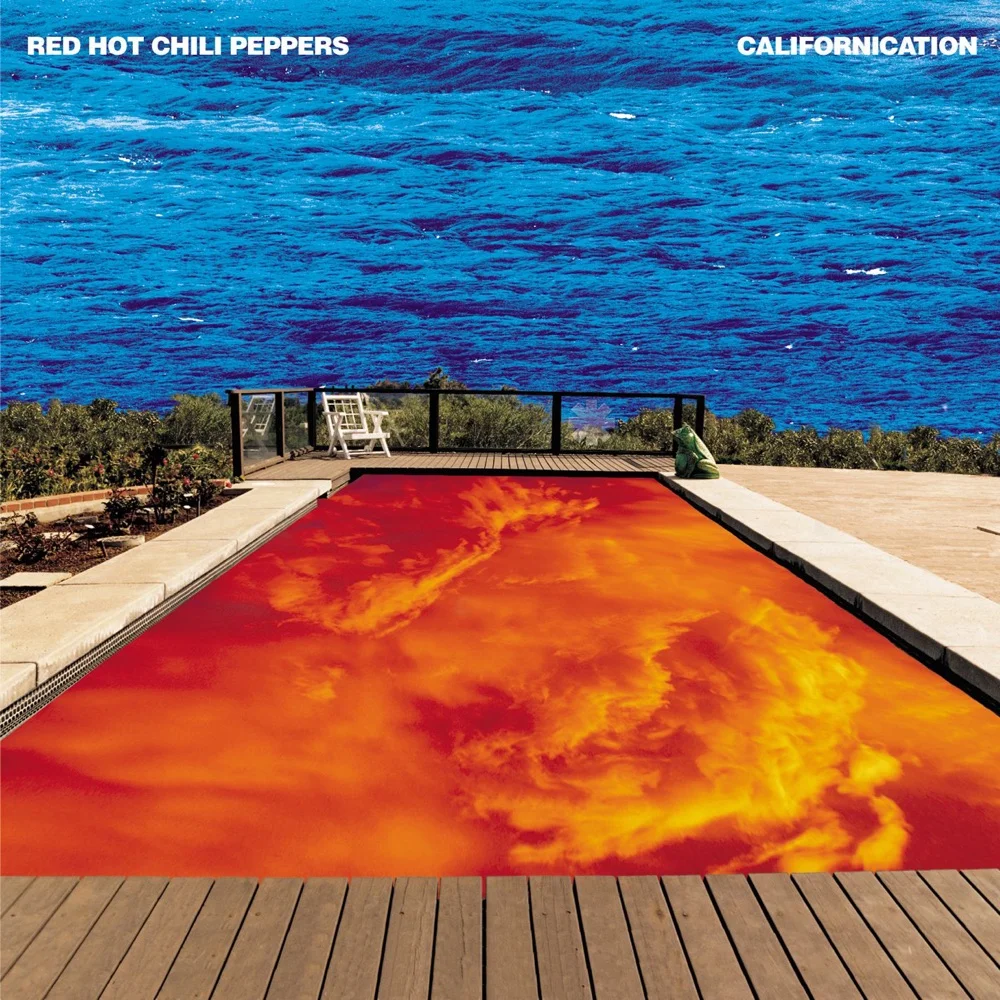
Californication is a masterpiece of restraint. Released on the 1999 album of the same name, this song marked a shift for the Red Hot Chili Peppers, moving away from pure funk-punk energy toward more melodic, reflective songwriting. Anthony Kiedis delivers a performance that balances spoken-word verses with a soaring, melodic chorus.
To sing this well, you need to master the art of "conversational singing." You aren't pushing for power notes constantly; you are telling a story. Let's break down the technique required to nail this track.
Phase 1: The Verse (Conversational Tone)
The verses oscillate between A Minor and F Major. The melody is relatively static, sitting comfortably in a baritone's speaking range. The key here is rhythm. Kiedis sings slightly behind the beat, creating a laid-back feel.
The Trap: It's easy to sound "bored" or monotone here. You must inject subtle dynamic changes on words like "destruction" or "population" to keep the listener engaged without breaking the chill vibe.
Phase 2: The Chorus (The Lift)
When the chorus hits ("Dream of Californication"), the melody lifts. This requires a switch from the spoken-style verse to a more resonant singing voice. The vowel sounds on "Californication" should be open and tall.
- Dream: Attack this word gently. Don't punch it.
- Californication: The 'A' vowel needs to be bright but not nasal. Think of smiling slightly as you sing the syllable "ca".
Phase 3: Breath Control & Endurance
This is a long track (over 5 minutes). The challenge isn't hitting high notes, but maintaining consistency. The phrases are long and packed with syllables. You need to identify your breath points—usually at the end of every second line in the verse—and take quick, silent "sip" breaths.
Towards the end of the song, Kiedis adds more grit and volume. Use your diaphragm to support this volume increase rather than squeezing your throat.