 Singing Coach AI
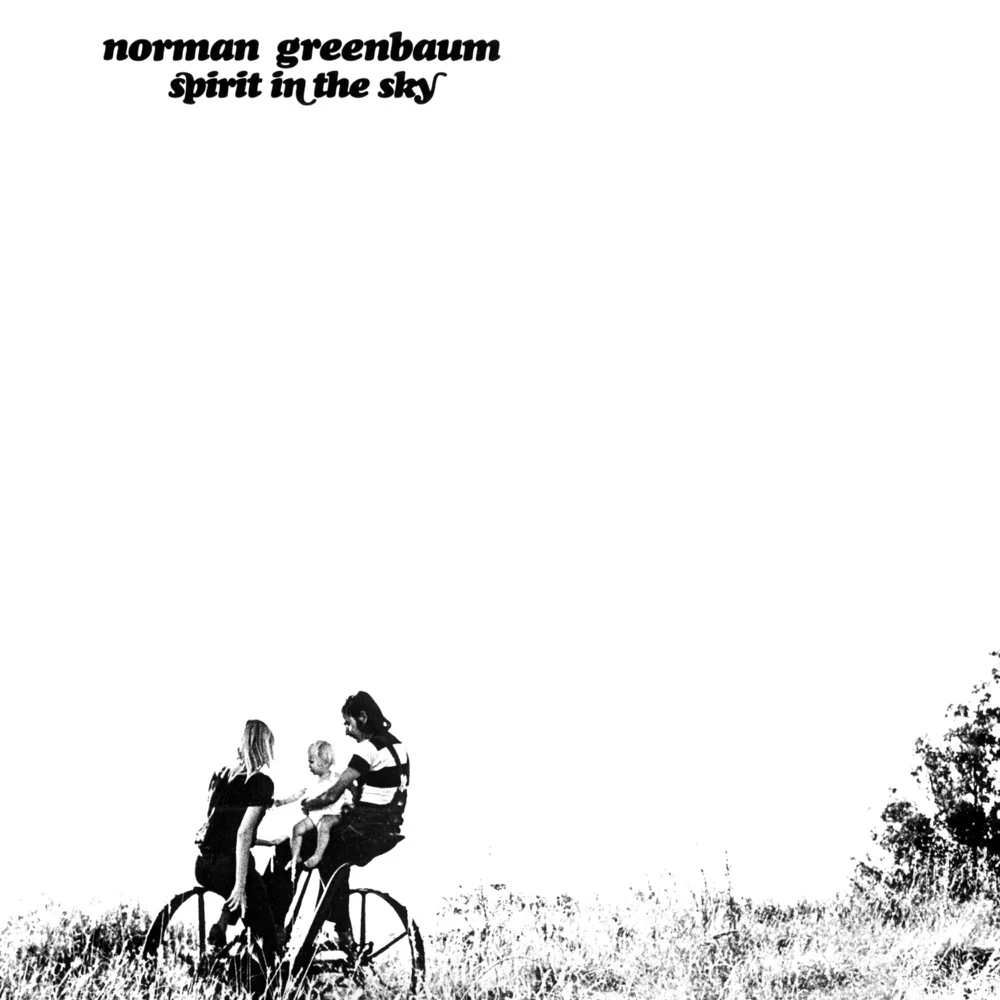
The Funky Side of Norman Greenbaum
"Canned Ham" is a high-energy, humorous track from the same creative mind that gave us the iconic "Spirit in the Sky." Released on the 1969 album Spirit in the Sky, this song showcases Greenbaum's ability to blend psychedelic rock with a driving funk rhythm. It's a song about consumerism and quirkiness, delivered with absolute conviction.
To sing this well, you need to channel your inner showman. It requires less technical gymnastics than a power ballad, but significantly more rhythmic precision and attitude. Let's break down how to nail the groove.
Phase 1: The Hook
The song is built around the infectious repetition of "Canned ham, canned ham, everybody wants some canned ham." This sits comfortably in the middle of the male chest voice range.
The Trap: It's easy to get lazy with the rhythm. You must lock in with the drums. Treat your voice like a percussion instrument here. The pitch is simple, but the timing must be exact.
Phase 2: The Gritty Verses
Norman Greenbaum uses a vocal texture that is slightly "dirty" or gritty. He isn't singing cleanly; he's adding a bit of rasp to convey the rock aesthetic.
- Resonance: Keep the sound forward in your mask (the front of your face) to cut through the heavy guitar riffs.
- Attitude: The lyrics are playful. Sing with a "smile" in your voice to brighten the tone while maintaining the rock edge.
- Breathing: The verses are wordy. Take quick, low breaths to sustain the energy without gasping.
Phase 3: Sustaining the Energy
Unlike songs that build to a climax, "Canned Ham" starts at a level 10 and stays there. The challenge is vocal stamina. If you push too hard from the throat, you will fatigue by the second verse.
Focus on support from your diaphragm. Let your body do the work so your throat can stay open, allowing that gravelly tone to come out naturally without strain.