 Singing Coach AI
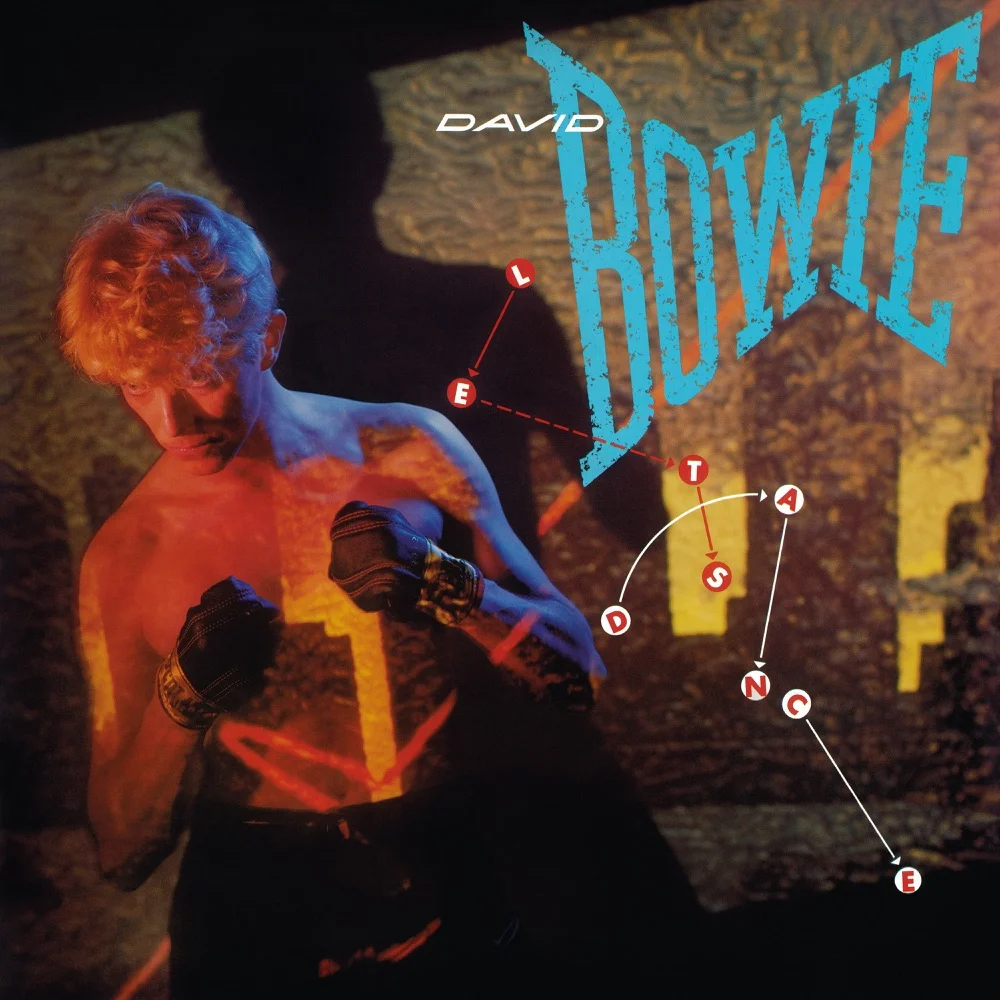
The Art of the "Let's Dance" Era
China Girl, co-written with Iggy Pop, became one of David Bowie's biggest hits when re-recorded for the 1983 album Let's Dance. Unlike Iggy's grittier version, Bowie's take is polished, smooth, and heavily reliant on his signature baritone croon. It combines New Wave sensibilities with a distinct dance-rock beat.
To sing this effectively, you need to master control over your lower register while maintaining a consistent legato line. It's less about vocal acrobatics and more about attitude, timing, and resonance. Let's break down the vocal phases.
Phase 1: The Verses (The Croon)
The song sits comfortably in E Major. The verses require a relaxed, open throat to achieve that warm Bowie timbre. The melody hovers around the lower end of the staff (E3-B3), so avoid "frying" your voice. Keep the tone supported by your diaphragm.
The Trap: Singers often rush the phrasing. Bowie sings slightly behind the beat in the verses to create a "cool," relaxed feel. Listen closely to the drums and lay your vocals just after the snare hits.
Phase 2: The Chorus Lift
When the chorus hits ("Oh little China Girl"), the energy lifts, but the pitch doesn't skyrocket. It moves to the mid-range. The challenge here is volume control. You want to increase intensity without shouting. Think of "projecting" rather than "yelling."
- Vowels: Modify your vowels to be taller. Sing "Gurl" instead of a flat "Girl" to maintain the baritone resonance.
- Legato: Connect the words. "Oh_little_China_Girl" should feel like one long ribbon of sound.
Phase 3: The Spoken Bridge (3:20 - 4:00)
This is the iconic "I'll give you television..." section. This is acting, not singing. However, it is strictly rhythmic. You must speak the lines in time with the bass groove.
The AI Coach analyzes your rhythm here. Don't speak too monotonically; use the natural inflection of your voice to convey the desperation and drama of the lyrics. End phrases with a slight breathiness to match the original style.